Monoclonal Antibodies
Anti-HSP27/HSPB1 Monoclonal Antibody for WB - P04792
Item Number : CM0003964
Price varies based on specs and customizations
- Application
- WB, IF/ICC, IF-P, ELISA
- Cross Reactivity
- Human, Mouse, Rat
- Protein Weight
- 23kDa

Shipping:
Contact us to get shipping details Enjoy On-time Dispatch Guarantee.
Why Choose Us
Easy ordering process, quality products, and dedicated support for your business success.
Core Product Specifications and Parameters
| Parameter | Value |
|---|---|
| Product Name | HSP27/HSPB1 Rabbit mAb |
| Remarks/Alias | CMT2F; HMN2B; HSP27; HSP28; Hsp25; SRP27; HS.76067; HEL-S-102; HSP27/HSPB1 |
| Species | Human |
| GeneID (Human) | 3315 |
| GeneID | 3315 |
| Immunogen | Synthetic Peptide |
| Source | Rabbit |
| Category | Monoclonal Antibodies |
| Application | WB, IF/ICC, IF-P, ELISA |
| Cross Reactivity | Human, Mouse, Rat |
| SWISS | P04792 |
| Protein Weight | 23kDa |
| Shipping | Ice bag |
Biological Background: HSP27/HSPB1 Function and Localization
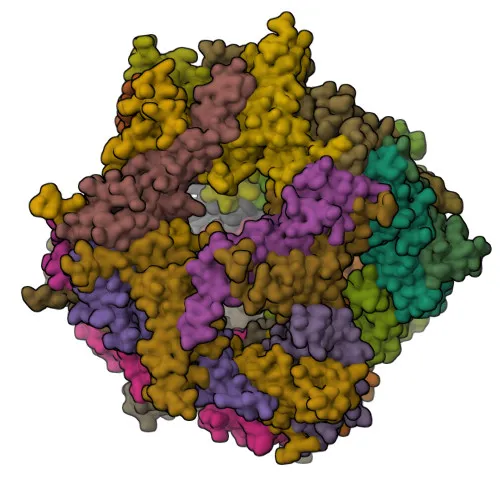
- HSP27/HSPB1 is a small heat shock protein that functions as an ATP-independent molecular chaperone, binding to misfolded proteins and maintaining them in a folding-competent state. Related references: PMID:10383393 | PMID:20178975
- It plays a crucial role in stress resistance and actin cytoskeleton organization, contributing to cellular resilience under adverse conditions. Related references: PMID:19166925
- Through its chaperone activity, HSP27 may regulate the phosphorylation and axonal transport of neurofilament proteins, implicating it in neuronal function and maintenance. Related references: PMID:23728742
- The protein is also known as 28 kDa heat shock protein, estrogen-regulated 24 kDa protein, and stress-responsive protein 27 (SRP27).
- HSP27 is a member of the small heat shock protein family (HSPB) and is encoded by the HSPB1 gene (Gene ID: 3315) in humans.
- Subcellular localization includes the cytoplasm, nucleus, and cytoskeleton (spindle), reflecting its roles in protein homeostasis, signaling, and cell division.
- Post-translational modifications such as phosphorylation, acetylation, and methylation dynamically regulate its chaperone function and client interactions.
- Tissue expression is widespread, with highest levels in heart, skeletal muscle, and smooth muscle; it is also detectable in serum and cerebrospinal fluid, indicating both intracellular and extracellular roles.
- Clinically, mutations in HSPB1 are linked to Charcot-Marie-Tooth disease type 2F and distal hereditary motor neuropathy, underscoring its importance in neuronal health.
Experimental Guidance and Technical Tips
- The immunogen is a synthetic peptide corresponding to amino acids 100–205 of human HSP27/HSPB1, a region that is highly conserved across human, mouse, and rat, which may contribute to the antibody's multi-species reactivity.
- For Western blot (WB) assays, the predicted molecular weight of HSP27 is ~23 kDa; however, post-translational modifications and sample conditions may cause band shifts; validating with appropriate controls is recommended.
- The antibody is suitable for immunofluorescence (IF/ICC and IF-P) applications, where HSP27 localization in the cytoplasm, nucleus, and cytoskeleton can be studied; fixation and permeabilization protocols should be optimized for each sample type.
- ELISA applications may be considered for quantifying HSP27 levels in various sample matrices; pairing with a secondary antibody and developing an appropriate standard curve would be necessary.
- Given the protein's involvement in stress responses and neurological disorders, researchers may consider inducing stress treatments (e.g., heat shock) or using disease-relevant cell lines and tissues for functional studies.
CamelBio: Your One-Stop Sourcing Bridge
CamelBio—an integrated IVD raw-materials partner—supplies a comprehensive range of high-quality antibodies, antigen/antibody pairs, and ancillary reagents for research and diagnostic development. This HSP27/HSPB1 monoclonal antibody supports studies in stress biology, chaperone mechanisms, and neurodegenerative diseases such as CMT2F. Our one-stop sourcing bridge accelerates your transition from basic research to clinical assay development with tailored solutions for rare targets and bulk orders.
REQUEST A QUOTE
Our professional team will reply to you within one business day. Please feel free to contact us!