Monoclonal Antibodies
Anti-HSL/LIPE Rabbit Monoclonal Antibody for WB, IF/ICC, ELISA - Q05469
Item Number : CM0007105
Price varies based on specs and customizations
- Application
- WB, IF/ICC, ELISA
- Cross Reactivity
- Human, Mouse
- Protein Weight
- 117kDa

Shipping:
Contact us to get shipping details Enjoy On-time Dispatch Guarantee.
Why Choose Us
Easy ordering process, quality products, and dedicated support for your business success.
Core Product Specifications and Parameters
| Parameter | Value |
|---|---|
| Product Name | HSL/LIPE Rabbit mAb |
| Remarks/Alias | HSL; LHS; REH; AOMS4; FPLD6; HSL/LIPE |
| Species | Human |
| Gene ID (Human) | 3991 |
| Gene ID | 3991 |
| Immunogen | Synthetic Peptide: A synthetic peptide corresponding to a sequence within amino acids 901-1000 of human HSL/LIPE (NP_005348.2). |
| Source | Rabbit |
| Category | Monoclonal Antibodies |
| Application | WB, IF/ICC, ELISA |
| Cross Reactivity | Human, Mouse |
| SWISS | Q05469 |
| Protein Weight | 117kDa |
| Shipping | Ice bag |
Biological Background: HSL/LIPE Function and Localization
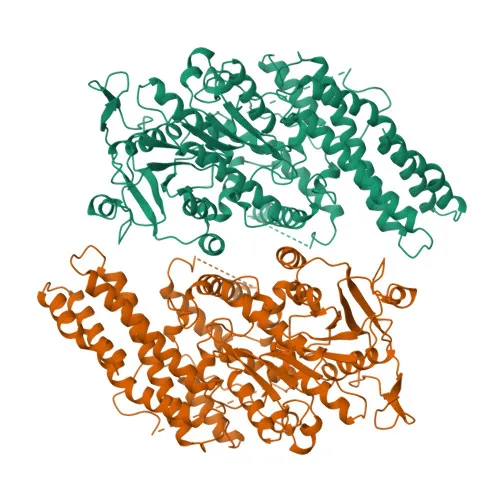
- Hormone-sensitive lipase (HSL/LIPE) is a multifunctional enzyme with broad substrate specificity, catalyzing the hydrolysis of triacylglycerols, diacylglycerols, monoacylglycerols, cholesteryl esters, and retinyl esters (PubMed:15716583, PubMed:15955102, PubMed:19800417). Related references: PMID:15716583 PMID:15955102 PMID:19800417
- In adipose tissue and heart, HSL primarily mobilizes stored triglycerides into free fatty acids, while in steroidogenic tissues it converts cholesteryl esters to free cholesterol for steroid hormone production.
- HSL preferentially hydrolyzes diacylglycerols over triacylglycerols and monoacylglycerols, and shows positional specificity for fatty acid esters in the glycerol backbone.
- Beyond canonical lipid droplets, HSL localizes to the cell membrane, caveolae, cytosol, and lipid droplets, reflecting its dynamic roles in lipid signaling and metabolism.
- Alternative splicing of the LIPE gene generates multiple isoforms, including a testis-specific variant, which may contribute to tissue-specific regulation of lipid hydrolysis.
- HSL is classified as a serine hydrolase and belongs to the ‘GDXG’ lipase family; its activity is regulated by phosphorylation, particularly via protein kinase A (PKA) in response to hormonal signals.
- Dysregulation of HSL is linked to metabolic disorders such as obesity, diabetes mellitus, and lipodystrophy, highlighting its importance in energy homeostasis.
Experimental Guidance and Technical Tips
- The immunogen lies within the C-terminal region (amino acids 901–1000), which may help detect full-length HSL and potentially cleavage products; consider epitope accessibility in your assay design.
- For Western blot, a band around 117 kDa is expected for the predominant isoform; validate specificity using knockdown or knockout controls if available.
- In immunofluorescence/ICC, HSL can be visualized on lipid droplets and in the cytoplasm; co-staining with lipid droplet markers (e.g., BODIPY) and fixation/permeabilization optimization are recommended.
- ELISA applications may require pairing with a capture antibody; test compatibility and sensitivity with recombinant protein or cell lysates.
- Cross-reactivity with mouse is reported, but conserved epitopes across species should be verified if used beyond human and mouse.
CamelBio: Your One-Stop Sourcing Bridge
CamelBio partners with diagnostic manufacturers and research laboratories to streamline access to critical IVD raw materials, covering lipid metabolism targets like HSL/LIPE. Rely on our integrated supply chain for validated antibody pairs, optimized monoclonal and polyclonal antibodies, bulk ancillary reagents, and rare target sourcing—all designed to support your assay development pipeline from concept to clinic.
Product Datasheet
Anti-HSL/LIPE Rabbit Monoclonal Antibody for WB, IF/ICC, ELISA - Q05469
REQUEST A QUOTE
Our professional team will reply to you within one business day. Please feel free to contact us!