Monoclonal Antibodies
Anti-HSD17B13 Rabbit Monoclonal Antibody for WB, ELISA - Q7Z5P4
Item Number : CM0003110
Price varies based on specs and customizations
- Application
- WB, ELISA
- Cross Reactivity
- Human
- Protein Weight
- 34kDa

Shipping:
Contact us to get shipping details Enjoy On-time Dispatch Guarantee.
Why Choose Us
Easy ordering process, quality products, and dedicated support for your business success.
Core Product Specifications and Parameters
| Parameter | Specification |
|---|---|
| Product Name | HSD17B13 Rabbit mAb |
| Remarks/Alias | FLDP; SCDR9; NIIL497; SDR16C3; HMFN0376; HSD17B13 |
| Species | Human |
| GeneID (Human) | 345275 |
| GeneID | 345275 |
| Immunogen | Recombinant fusion protein containing a sequence corresponding to amino acids 30-211 of human HSD17B13 (NP_835236.2) |
| Source | Rabbit |
| Category | Monoclonal Antibodies |
| Application | WB, ELISA |
| Cross Reactivity | Human |
| SWISS | Q7Z5P4 |
| Protein Weight | 34kDa |
| Shipping | Ice bag |
Biological Background: HSD17B13 Function and Localization
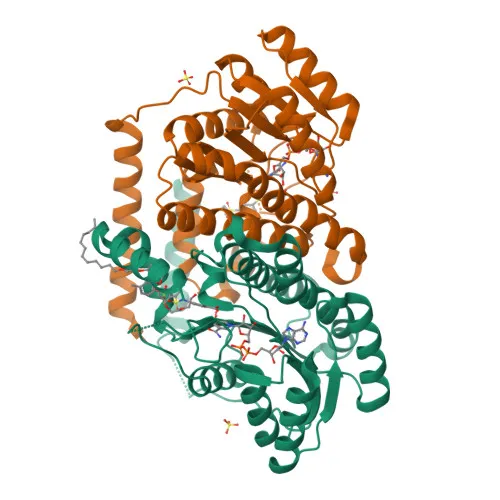
- HSD17B13 (17-beta-hydroxysteroid dehydrogenase 13) is a member of the short-chain dehydrogenase/reductase (SDR) family, encoded by the HSD17B13 gene (also known as SCDR9, SDR16C3), with multiple isoforms produced by alternative splicing.
- Plays a pivotal role in hepatic lipid metabolism; in vitro, it catalyzes the oxidation of a variety of lipid substrates, including 17beta-estradiol, retinol, retinal, and leukotriene B4. Related references: PMID:29562163 PMID:30415504 PMID:32973038
- Reported to have retinol/retinal dehydrogenase activity in vitro, though some studies are conflicting regarding this function.
- Subcellularly localizes to lipid droplets, the endoplasmic reticulum, and the cytoplasm, consistent with its role in lipid metabolism.
- Highly expressed in the liver; also detected in ovary, bone marrow, kidney, brain, lung, skeletal muscle, bladder, and testis. Related references: PMID:29562163
- The protein harbors an NAD-binding domain and is subject to phosphorylation and other post-translational modifications; classified under oxidoreductase activity (UniProt keywords: NAD, Oxidoreductase, Phosphoprotein).
Experimental Guidance and Technical Tips
- Based on the immunogen design (recombinant protein span of aa 30–211), epitope accessibility may be optimal in denaturing Western blot conditions; validate in native or reduced samples to confirm.
- Predicted molecular weight is ~34 kDa, but variations may arise from post-translational modifications; ensure proper protein ladder and loading controls are included.
- For ELISA applications, pilot dilution series and checkerboard titrations are recommended to establish suitable coating and detection antibody concentrations.
- Cross-reactivity is reported for human only; when using samples from other species, antibody reactivity can be variable and should be tested empirically.
- As with any IVD raw material, lot-to-lot consistency should be verified before deployment in diagnostic assays.
CamelBio: Your One-Stop Sourcing Bridge
CamelBio offers diagnostic manufacturers, research laboratories, and institutes a single point of access to IVD raw materials, from concept to clinic. For HSD17B13 research and hepatic biomarker assay development, we supply validated monoclonal antibodies (including rabbit mAb), bulk ancillary reagents, and support for sourcing rare targets. Reach out to discuss how our sourcing capabilities can accelerate your next project.
REQUEST A QUOTE
Our professional team will reply to you within one business day. Please feel free to contact us!