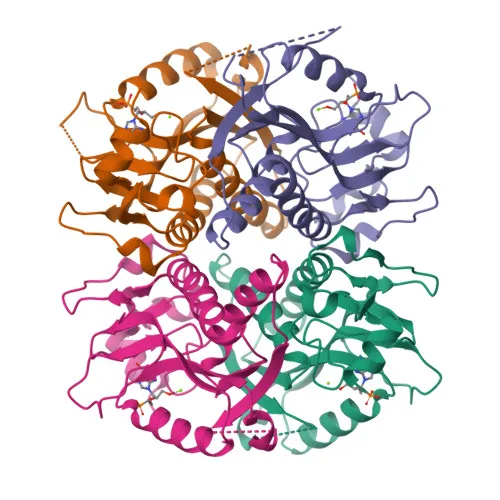
Monoclonal Antibodies
Anti-HPRT1 Rabbit Monoclonal Antibody for WB and ELISA - P00492
Item Number : CM0007845
Price varies based on specs and customizations
- Application
- WB, ELISA
- Cross Reactivity
- Human, Mouse, Rat
- Protein Weight
- 25kDa

Shipping:
Contact us to get shipping details Enjoy On-time Dispatch Guarantee.
Why Choose Us
Easy ordering process, quality products, and dedicated support for your business success.
Core Product Specifications and Parameters
| Parameter | Value |
|---|---|
| Product Name | [KO Validated] HPRT1 Rabbit mAb |
| Remarks/Alias | HPRT; HGPRT; T1 |
| Species | Human |
| Gene ID | 3251 |
| Immunogen | Synthetic Peptide |
| Source | Rabbit |
| Category | Monoclonal Antibodies |
| Application | WB, ELISA |
| Cross Reactivity | Human, Mouse, Rat |
| SWISS | P00492 |
| Protein Weight | 25kDa |
| Shipping | Ice bag |
Biological Background: HPRT1 Function and Localization
- Hypoxanthine-guanine phosphoribosyltransferase (HPRT1) catalyzes the conversion of hypoxanthine to IMP and guanine to GMP via the purine salvage pathway, recycling purine bases into nucleotides.
- HPRT1 transfers the 5-phosphoribosyl group from 5-phosphoribosylpyrophosphate (PRPP) to purine bases, playing a central role in generating purine nucleotides for nucleic acid synthesis and cellular energetics.
- HPRT1 is a member of the purine/pyrimidine phosphoribosyltransferase family, conserved across species, and is encoded by the HPRT1 gene (HGPRT) on the X chromosome.
- Subcellularly, HPRT1 is primarily localized in the cytoplasm, where it accesses its substrates for salvage reactions.
- Post-translational modifications include acetylation, phosphorylation, and isopeptide bond formation (ubiquitination), which may regulate its activity or stability.
- Mutations in HPRT1 cause Lesch-Nyhan syndrome, a severe neurological disorder, and are associated with gout due to purine overproduction from deficient salvage.
- The enzyme requires magnesium as a cofactor and binds nucleotides, reflecting its role in phosphoribosyl transfer.
Experimental Guidance and Technical Tips
- The immunogen design based on a central region of HPRT1 (aa 119-218) may provide specificity for the target while avoiding N-terminal or C-terminal variability. Consider testing in relevant species (human, mouse, rat) due to high sequence conservation.
- For Western blot, the expected band is approximately 25 kDa; use appropriate molecular weight markers. If knockout validation is required, include HPRT1 KO cell lysates to confirm specificity.
- In ELISA, a standard indirect assay can be employed with the peptide or recombinant HPRT1 protein; consider optimization of coating conditions and antibody dilution.
- Since HPRT1 is ubiquitous, confirm expression in your sample type; may serve as a loading control in some experiments.
- Cross-reactivity with mouse and rat HPRT1 allows for translational studies; validate in the desired model system.
CamelBio: Your One-Stop Sourcing Bridge
CamelBio supports diagnostic manufacturers and research labs with comprehensive access to premium IVD raw materials, including validated antibodies, antigen pairs, and ancillary reagents. Our HPRT1 rabbit monoclonal antibody is part of a growing catalog of targets for metabolic and genetic disorder research, offering reliable performance with knockout validation. From monoclonal antibody characterization to bulk reagent supply, CamelBio streamlines your development pipeline with single-partner convenience.
REQUEST A QUOTE
Our professional team will reply to you within one business day. Please feel free to contact us!