Polyclonal Antibodies
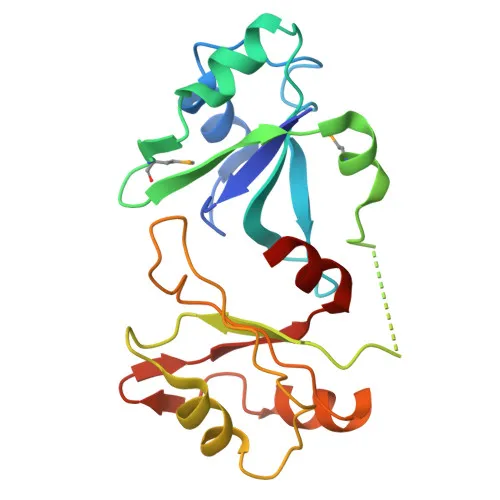
Anti-HNRNPH1 Polyclonal Antibody for WB - P31943
Item Number : CM0030526
Price varies based on specs and customizations
- Application
- WB, IHC-P, IF/ICC, ELISA
- Cross Reactivity
- Human, Mouse, Rat
- Protein Weight
- 49kDa

Shipping:
Contact us to get shipping details Enjoy On-time Dispatch Guarantee.
Why Choose Us
Easy ordering process, quality products, and dedicated support for your business success.
Core Product Specifications and Parameters
| Parameter | Value |
|---|---|
| Product Name | HNRNPH1 Rabbit pAb |
| Remarks/Alias | HNRPH; HNRPH1; NEDCDS; hnRNPH; HNRNPH1 |
| Species | Human |
| GeneID | 3187 |
| Immunogen | Recombinant fusion protein containing a sequence corresponding to amino acids 191-449 of human HNRNPH1 (NP_005511.1). |
| Source | Rabbit |
| Category | Polyclonal Antibodies |
| Application | WB, IHC-P, IF/ICC, ELISA |
| Cross Reactivity | Human, Mouse, Rat |
| SWISS | P31943 |
| Protein Weight | 49kDa |
| Shipping | Ice bag |
Biological Background: HNRNPH1 Function and Localization
- HNRNPH1 encodes heterogeneous nuclear ribonucleoprotein H, a core component of hnRNP complexes that process pre-mRNA into mature mRNA.
- It functions as a splicing regulator, mediating alternative splicing decisions; for example, it cooperates with CUGBP1 to inhibit inclusion of insulin receptor exon 11.
- The protein binds to RNA, including poly(RG) sequences and the insulin receptor RNA, through its RNA recognition motifs.
- Localized to the nucleoplasm, HNRNPH1 is ubiquitously expressed across human tissues.
- Post-translational modifications include acetylation, methylation, phosphorylation, and ubiquitination, as evidenced by proteomics and direct sequencing.
- Mutations in HNRNPH1 are associated with intellectual disability and neurodevelopmental disorders.
- Keywords: Ribonucleoprotein, RNA-binding, Spliceosome, mRNA processing, mRNA splicing.
Experimental Guidance and Technical Tips
- For Western blotting, the predicted molecular weight is ~49 kDa, but bands may shift due to post-translational modifications; consider optimizing loading controls and antibody dilution for your specific samples.
- In immunohistochemistry (IHC-P), nuclear staining is expected; antigen retrieval and blocking steps should be validated with appropriate tissue controls.
- For immunofluorescence (IF/ICC), permeabilization is essential for nuclear access; titrate the antibody and confirm specificity in knockout or knockdown models.
- The antibody cross-reacts with mouse and rat, making it suitable for studies in these model organisms; nevertheless, verify labeling patterns in the relevant species.
- ELISA can be used for quantitative analysis; include a standard curve and validate the coating and detection conditions.
CamelBio: Your One-Stop Sourcing Bridge
CamelBio provides diagnostic manufacturers and research laboratories with reliable access to high-quality IVD raw materials, including validated polyclonal antibodies like this anti-HNRNPH1 antibody. Our one-stop platform streamlines procurement of bulk ancillary reagents, optimized antibody pairs, and rare-target sourcing, supporting your work from early development to clinical application. Partner with us to accelerate your pre-mRNA processing and splicing research projects.
REQUEST A QUOTE
Our professional team will reply to you within one business day. Please feel free to contact us!