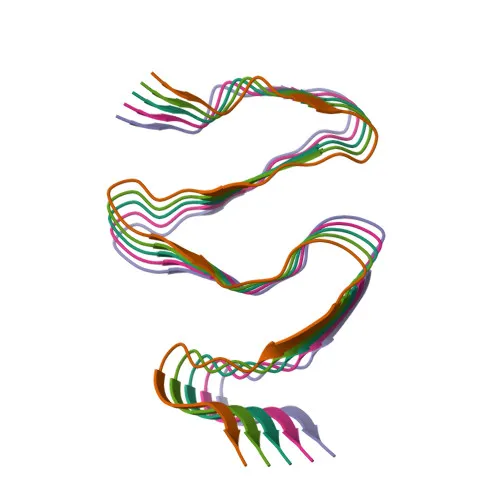
Polyclonal Antibodies
Anti-HNRNPDL Polyclonal Antibody for WB, IF/ICC, ELISA - O14979
Item Number : CM0018560
Price varies based on specs and customizations
- Application
- WB, IF/ICC, ELISA
- Cross Reactivity
- Human, Mouse, Rat
- Protein Weight
- 46kDa

Shipping:
Contact us to get shipping details Enjoy On-time Dispatch Guarantee.
Why Choose Us
Easy ordering process, quality products, and dedicated support for your business success.
Core Product Specifications and Parameters
| Parameter | Value |
|---|---|
| Product Name | HNRNPDL Rabbit pAb |
| Remarks/Alias | HNRNP; JKTBP; HNRPDL; JKTBP2; LGMD1G; LGMDD3; laAUF1; HNRNPDL |
| Species | Human |
| Gene ID (Human) | 9987 |
| Gene ID | 9987 |
| Immunogen | Recombinant protein|Recombinant fusion protein containing a sequence corresponding to amino acids 261-420 of human HNRNPDL (NP_112740.1). |
| Source | Rabbit |
| Category | Polyclonal Antibodies |
| Application | WB, IF/ICC, ELISA |
| Cross Reactivity | Human, Mouse, Rat |
| SWISS | O14979 |
| Protein Weight | 46kDa |
| Shipping | Ice bag |
Biological Background: HNRNPDL Function and Localization
- HNRNPDL, also known as JKTBP and laAUF1, is a member of the heterogeneous nuclear ribonucleoprotein (hnRNP) family, which plays critical roles in RNA metabolism and gene regulation.
- It functions as a transcriptional regulator, capable of both repressing and activating transcription; in differentiated myotubes, it promotes transcription activation (By similarity).
- HNRNPDL binds with high affinity to AU-rich elements (AREs) in the 3'-UTR of mRNAs, including those of proto-oncogenes and cytokines, and also interacts with double- and single-stranded DNA sequences.
- The protein localizes to both the nucleus and cytoplasm, reflecting its dual roles in transcriptional control and cytoplasmic mRNA regulation.
- It is widely expressed in human tissues, including heart, brain, skeletal muscle, and various cancer cell lines, with implications in developmental and disease processes.
- Post-translational modifications include acetylation, methylation, and phosphorylation, and it is subject to ubiquitin-like conjugation; mutations in HNRNPDL are associated with limb-girdle muscular dystrophy (LGMD1G/LGMDD3).
- Keywords from UniProt highlight its involvement in alternative splicing, transcription regulation, and DNA/RNA binding, underscoring its multifunctional nature.
Experimental Guidance and Technical Tips
- The immunogen spans amino acids 261–420 of human HNRNPDL, a region that may be conserved across species; consider validating cross-reactivity in your specific experimental system.
- For Western blot, a band around the predicted molecular weight of 46 kDa is expected; we recommend using appropriate positive control lysates from human, mouse, or rat tissues or cell lines.
- In immunofluorescence and immunocytochemistry, HNRNPDL staining is anticipated in both nuclear and cytoplasmic compartments; fixation and permeabilization protocols should be optimized for your cell type.
- The antibody is suitable for ELISA; titration experiments are advised to determine optimal coating and detection conditions.
CamelBio: Your One-Stop Sourcing Bridge
As a comprehensive IVD raw material provider, CamelBio offers streamlined access to validated antibodies, recombinant proteins, and ancillary reagents for your diagnostic and research needs. This anti-HNRNPDL antibody supports studies in transcriptional regulation and RNA-binding protein biology, and our platform can source additional reagents for rare targets and bulk requirements.
REQUEST A QUOTE
Our professional team will reply to you within one business day. Please feel free to contact us!