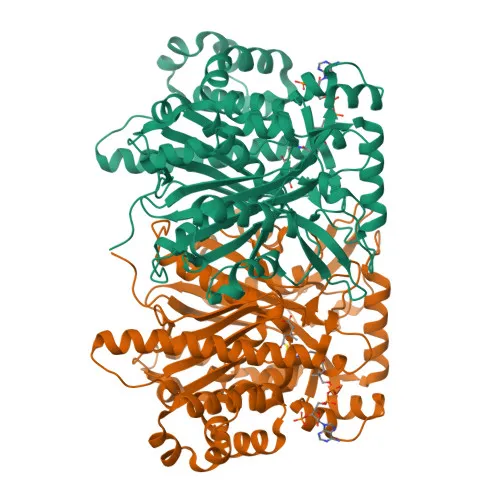
Monoclonal Antibodies
Anti-HMGCS2 Rabbit Monoclonal Antibody for WB, IF, IHC-P, ELISA - P54868
Item Number : CM0006959
Price varies based on specs and customizations
- Application
- WB, IF/ICC, IF-P, IHC-P, ELISA
- Cross Reactivity
- Human, Mouse, Rat

Shipping:
Contact us to get shipping details Enjoy On-time Dispatch Guarantee.
Why Choose Us
Easy ordering process, quality products, and dedicated support for your business success.
Core Product Specifications and Parameters
| Parameter | Value |
|---|---|
| Product Name | HMGCS2 Rabbit mAb |
| Remarks/Alias | HMGCS2; Hydroxymethylglutaryl-CoA synthase; mitochondrial; 3-hydroxy-3-methylglutaryl coenzyme A synthase; 3-hydroxy-3-methylglutaryl-CoA synthase 2 |
| Species | Human |
| Gene ID | 3158 |
| Immunogen | A synthetic peptide corresponding to a sequence within amino acids 400-500 of human HMGCS2. (NP_005509.1). |
| Source | Rabbit |
| Category | Monoclonal Antibodies |
| Application | WB, IF/ICC, IF-P, IHC-P, ELISA |
| Cross Reactivity | Human, Mouse, Rat |
| SWISS | P54868 |
| Protein Weight | 50KDa/52KDa/56KDa |
| Shipping | Ice bag |
Biological Background: HMGCS2 Function and Localization
- HMGCS2 catalyzes the first irreversible step in ketogenesis, condensing acetyl-CoA and acetoacetyl-CoA to form 3-hydroxy-3-methylglutaryl-CoA (HMG-CoA). This HMG-CoA can also be converted by HMG-CoA reductase into mevalonate, linking ketogenic and cholesterogenic pathways.
- The enzyme localizes to the mitochondrial matrix, consistent with its role in hepatic ketone body production.
- HMGCS2 is predominantly expressed in liver, with quantitative analyses showing over 200‑fold higher levels than in other tissues. Low expression is detected in colon, kidney, testis, and pancreas, and very low in heart and skeletal muscle; it is absent in brain (PubMed:16940161, PubMed:21952825, PubMed:7893153). Notably, transcript data indicate highest expression in heart and skeletal muscle, suggesting post‑transcriptional regulation or isoform differences. Related references: PMID:16940161 PMID:21952825 PMID:7893153
- Alternative splicing produces multiple isoforms, which, together with post‑translational acetylation and phosphorylation, contribute to the observed protein bands at 50, 52, and 56 kDa.
- Mutations in HMGCS2 are linked to metabolic disorders (Disease variant), underscoring its clinical significance.
Experimental Guidance and Technical Tips
- The immunogen was designed using a peptide from the C‑terminal region (aa 400‑500) of human HMGCS2, a strategy that may enhance specificity. When adapting this approach, align sequences across species if cross‑reactivity is desired.
- In Western blotting, observe multiple bands between 50 and 56 kDa due to isoforms and modifications; include molecular weight markers and appropriate positive controls (e.g., liver lysate).
- For immunohistochemistry (IHC‑P), antigen retrieval may be required; anticipate mitochondrial staining. Immunofluorescence (IF/ICC, IF‑P) should reveal a punctate mitochondrial pattern.
- The antibody has been tested on human, mouse, and rat samples, making it suitable for comparative studies in rodent models of ketogenesis or hepatic metabolism.
- ELISA applications may require optimization of coating conditions and antibody titers for the specific analyte.
CamelBio: Your One-Stop Sourcing Bridge
CamelBio supports diagnostic manufacturers and research laboratories by offering a comprehensive portfolio of IVD raw materials, including validated antibody pairs and optimized monoclonal/polyclonal antibodies like this anti‑HMGCS2 rabbit mAb. Whether you need bulk ancillary reagents or assistance in sourcing rare‑target raw materials for ketogenesis and mitochondrial research, CamelBio serves as a single‑point bridge from concept to clinic.
Product Datasheet
Anti-HMGCS2 Rabbit Monoclonal Antibody for WB, IF, IHC-P, ELISA - P54868
REQUEST A QUOTE
Our professional team will reply to you within one business day. Please feel free to contact us!