Polyclonal Antibodies
Anti-HMGCL Polyclonal Antibody for WB, IHC-P, ELISA - P35914
Item Number : CM0027585
Price varies based on specs and customizations
- Application
- WB, IHC-P, ELISA
- Cross Reactivity
- Human, Mouse, Rat
- Protein Weight
- 34kDa

Shipping:
Contact us to get shipping details Enjoy On-time Dispatch Guarantee.
Why Choose Us
Easy ordering process, quality products, and dedicated support for your business success.
Core Product Specifications and Parameters
| Parameter | Value |
|---|---|
| Product Name | HMGCL Rabbit pAb |
| Remarks/Alias | HL, HMGCL |
| Species | Human |
| GeneID (Human) | 3155 |
| GeneID | 3155 |
| Immunogen | Recombinant fusion protein containing a sequence corresponding to amino acids 1-325 of human HMGCL (NP_000182.2). |
| Source | Rabbit |
| Category | Polyclonal Antibodies |
| Application | WB, IHC-P, ELISA |
| Cross Reactivity | Human, Mouse, Rat |
| SWISS | P35914 |
| Protein Weight | 34kDa |
| Shipping | Ice bag |
Biological Background: HMGCL Function and Localization
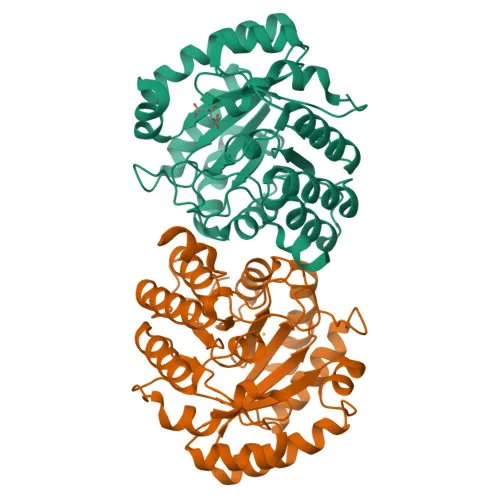
- HMGCL (Hydroxymethylglutaryl-CoA lyase, mitochondrial) is a key enzyme in ketogenesis and leucine catabolism, catalyzing the cleavage of (S)-3-hydroxy-3-methylglutaryl-CoA into acetyl-CoA and acetoacetate.
- It localizes primarily to the mitochondrial matrix and is also found in peroxisomes, consistent with its role in lipid metabolism.
- The enzyme has the highest expression in liver, with additional expression in pancreas, kidney, intestine, testis, fibroblasts, and lymphoblasts; very low expression in brain and skeletal muscle.
- An alternative splicing isoform (isoform 2) shows highest relative mRNA expression in heart (30%), skeletal muscle (22%), and brain (14%).
- HMGCL is a metal-binding lyase; its activity depends on divalent cations, and it belongs to the HMG-CoA lyase family.
- Post-translational modifications include acetylation and disulfide bond formation, which may regulate its function or stability.
- Mutations in HMGCL are linked to 3-hydroxy-3-methylglutaryl-CoA lyase deficiency, a rare autosomal recessive metabolic disorder.
- Ketone bodies produced via this pathway serve as an alternative energy source to glucose, especially during fasting, and act as lipid precursors and metabolic regulators.
Experimental Guidance and Technical Tips
- The immunogen covers the full-length human HMGCL (aa 1-325), so the antibody is expected to recognize the native protein in denaturing and native conditions.
- For Western blot, a band at approximately 34 kDa is anticipated; consider using reducing conditions and validate with a positive control such as liver lysate.
- In IHC-P, anticipate mitochondrial staining in tissues with high HMGCL expression (e.g., liver); an appropriate antigen retrieval method may be necessary.
- The antibody cross-reacts with mouse and rat; when using these species, validate specificity in the relevant tissue or cell system.
- For ELISA, consider coating with the recombinant immunogen or a peptide and optimize the assay conditions empirically.
CamelBio: Your One-Stop Sourcing Bridge
CamelBio specializes in providing diagnostic manufacturers, research laboratories, and institutes with a comprehensive one-stop platform for IVD raw materials. This anti-HMGCL polyclonal antibody supports research into ketogenesis, leucine metabolism, and related metabolic disorders, and is backed by our capability to supply validated antibody pairs, optimized monoclonal/polyclonal antibodies, bulk ancillary reagents, and rare target raw-material sourcing. Partner with us to streamline your entire development workflow from concept to clinic.
REQUEST A QUOTE
Our professional team will reply to you within one business day. Please feel free to contact us!