Polyclonal Antibodies
Anti-HMGA1 Rabbit Polyclonal Antibody for WB, IHC-P, ELISA - P17096
Item Number : CM0023704
Price varies based on specs and customizations
- Application
- WB, IHC-P, ELISA
- Cross Reactivity
- Human, Mouse
- Protein Weight
- 12 kDa

Shipping:
Contact us to get shipping details Enjoy On-time Dispatch Guarantee.
Why Choose Us
Easy ordering process, quality products, and dedicated support for your business success.
Core Product Specifications and Parameters
| Parameter | Value |
|---|---|
| Product Name | HMGA1 Rabbit pAb |
| Remarks/Alias | HMG-R; HMGIY; HMGA1A; HMGA1 |
| Species | Human |
| Gene ID (Human) | 3159 |
| Gene ID | 3159 |
| Immunogen | A synthetic peptide corresponding to a sequence within amino acids 1-100 of human HMGA1 (NP_665908.1). |
| Source | Rabbit |
| Category | Polyclonal Antibodies |
| Application | WB, IHC-P, ELISA |
| Cross Reactivity | Human, Mouse |
| SWISS | P17096 |
| Protein Weight | 12 kDa |
| Shipping | Ice bag |
Biological Background: HMGA1 Function and Localization
- HMGA1 encodes two major isoforms, HMG-I and HMG-Y, through alternative splicing; both function as architectural transcription factors that remodel chromatin.
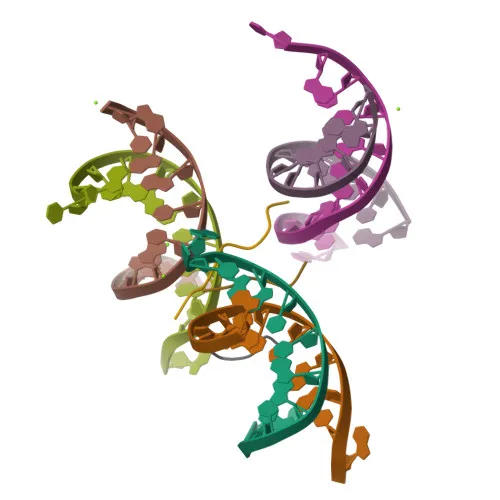
- The protein binds preferentially to the minor groove of AT-rich regions in double-stranded DNA, modulating DNA flexibility and influencing the assembly of transcriptional complexes.
- It plays a role in nucleosome phasing and higher-order chromatin organization, thereby regulating the expression of genes near AT-rich sequences.
- Subcellularly, HMGA1 localizes to the nucleus and associates with chromosomes, consistent with its DNA-binding and gene-regulatory functions.
- Post-translational modifications—including acetylation, phosphorylation, ADP-ribosylation, and methylation—dynamically regulate its DNA-binding affinity and transcriptional activity.
- The protein is a target of chromosomal rearrangements in various cancers, and its overexpression is linked to tumor progression and metastasis.
- Ubiquitin-like conjugation (SUMOylation) and isopeptide bond formation also modulate HMGA1 stability and localization, adding layers of regulation to its function.
Experimental Guidance and Technical Tips
- The immunogen corresponds to the N-terminal region (aa 1-100) of human HMGA1; for applications like WB, consider using nuclear-enriched lysates to enhance detection of this low-abundance nuclear protein.
- For IHC-P, optimize antigen retrieval conditions and validate the antibody with appropriate positive and negative tissue controls; nuclear staining is expected.
- When performing ELISA, use the immunizing peptide as a positive control to confirm binding specificity.
- Cross-reactivity with mouse HMGA1 has been reported; if using mouse samples, verify specificity in the target experimental system.
CamelBio: Your One-Stop Sourcing Bridge
CamelBio supports diagnostic manufacturers and research labs with comprehensive IVD raw material solutions—from validated antibody pairs and optimized monoclonal/polyclonal antibodies to bulk ancillary reagents. For those working on transcription regulation, chromatin biology, or cancer biomarker development, we provide rapid access to rare-target raw materials like HMGA1 antibodies to accelerate your project from concept to clinic.
REQUEST A QUOTE
Our professional team will reply to you within one business day. Please feel free to contact us!