Monoclonal Antibodies
Anti-HK1 Monoclonal Antibody for WB, IF/ICC, ELISA - P19367
Item Number : CM0006712
Price varies based on specs and customizations
- Application
- WB, IF/ICC, ELISA
- Cross Reactivity
- Human, Mouse, Rat
- Protein Weight
- 102kDa

Shipping:
Contact us to get shipping details Enjoy On-time Dispatch Guarantee.
Why Choose Us
Easy ordering process, quality products, and dedicated support for your business success.
Core Product Specifications and Parameters
| Parameter | Specification |
|---|---|
| Product Name | HK1 Rabbit mAb |
| Remarks/Alias | HK; HKD; HKI; HXK1; NMSR; RP79; HMSNR; HK1-ta; HK1-tb; HK1-tc; NEDVIBA; hexokinase |
| Species | Human |
| GeneID (Human) | 3098 |
| Immunogen | Recombinant fusion protein containing a sequence corresponding to amino acids 21-219 of human HK1 (NP_000179.2). |
| Source | Rabbit |
| Category | Monoclonal Antibodies |
| Application | WB, IF/ICC, ELISA |
| Cross Reactivity | Human, Mouse, Rat |
| SWISS | P19367 |
| Protein Weight | 102kDa |
| Shipping | Ice bag |
Biological Background: HK1 Function and Localization
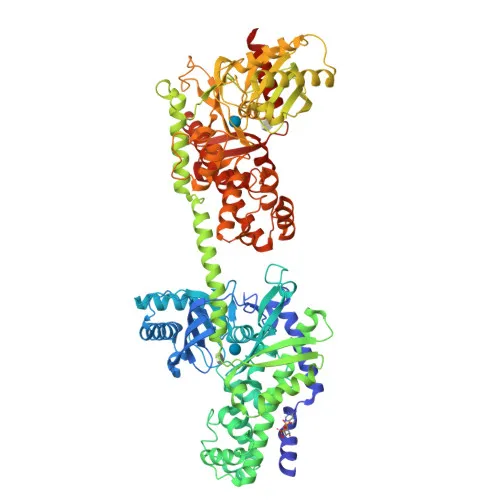
- Hexokinase-1 (HK1), also known as brain form hexokinase (HK I) or hexokinase-A, is a 102 kDa enzyme encoded by the HK1 gene. Alternative splicing generates multiple isoforms, including the erythrocyte‑specific isoform 2 and the testis‑specific isoforms 3 and 4.
- Catalyzes the ATP‑dependent phosphorylation of various hexoses (e.g., D‑glucose, D‑fructose, D‑mannose) to their corresponding 6‑phosphate esters, mediating the initial, rate‑limiting step of glycolysis. Related references: PMID:1637300, PMID:25316723, PMID:27374331
- Functions as a pattern recognition receptor for bacterial peptidoglycan; upon cytosolic release of N‑acetyl‑D‑glucosamine, HK1 dissociates from mitochondria and activates the NLRP3 inflammasome. Related references: PMID:27374331
- Predominantly anchored to the mitochondrial outer membrane; also detected in the cytosol.
- Post‑translational modifications include acetylation and phosphorylation (3D structure available).
- Mutations in HK1 are associated with Charcot‑Marie‑Tooth disease, hereditary hemolytic anemia, intellectual disability, retinitis pigmentosa, and neurodegeneration.
Experimental Guidance and Technical Tips
- The immunogen spans amino acids 21–219, the N‑terminal region of human HK1. Because this region may be present in several isoforms, validate isoform specificity in the target sample system if needed.
- For Western blot, expect a band near 102 kDa; consider using appropriate protein‑extraction conditions and loading controls suitable for large mitochondrial proteins.
- In IF/ICC, permeabilization and a mitochondrial outer‑membrane marker may help confirm localization.
- For ELISA, the antibody can serve as a capture or detection reagent; performance should be validated with the intended antigen format (e.g., recombinant protein, cell lysate).
CamelBio: Your One-Stop Sourcing Bridge
CamelBio provides diagnostic manufacturers, reference laboratories, and research institutes with a single source for IVD raw materials, technical services, and project consulting—from concept to clinic. We offer validated antibody pairs, optimized monoclonal and polyclonal antibodies, bulk ancillary reagents, and rare‑target raw‑material sourcing tailored to your development pipeline, including targets in glycolysis, innate immunity, and neurological disease research. Let us connect you with the reliable HK1 reagents you need to accelerate your IVD assay development.
REQUEST A QUOTE
Our professional team will reply to you within one business day. Please feel free to contact us!