Polyclonal Antibodies
Anti-Histone H3.3 Rabbit Polyclonal Antibody for WB, ELISA - Q16695 / P68431
Item Number : CM0018497
Price varies based on specs and customizations
- Application
- WB, ELISA
- Cross Reactivity
- Human, Mouse, Rat, Other (Wide Range Predicted)
- Protein Weight
- 15kDa

Shipping:
Contact us to get shipping details Enjoy On-time Dispatch Guarantee.
Why Choose Us
Easy ordering process, quality products, and dedicated support for your business success.
Core Product Specifications and Parameters
| Parameter | Value |
|---|---|
| Product Name | Histone H3.3 Rabbit pAb |
| Remarks/Alias | H3F3; H3-3B; H3.3A; H3F3A; BRYLIB1; Histone H3.3 |
| Species | Human |
| GeneID (Human) | H3 |
| Gene ID | 8290/8350 |
| Immunogen | Recombinant fusion protein containing a sequence corresponding to amino acids 1-136 of human H3F3A (NP_002098.1) |
| Source | Rabbit |
| Category | Polyclonal Antibodies |
| Application | WB, ELISA |
| Cross Reactivity | Human, Mouse, Rat, Other (Wide Range Predicted) |
| SWISS | Q16695/P68431 |
| Protein Weight | 15kDa |
| Shipping | Ice bag |
Biological Background: Histone H3.3 Function and Localization
- Histone H3.3 is a replication-independent variant that replaces canonical H3 in nucleosomes, playing a critical role in transcription regulation, DNA repair, and chromosome stability.
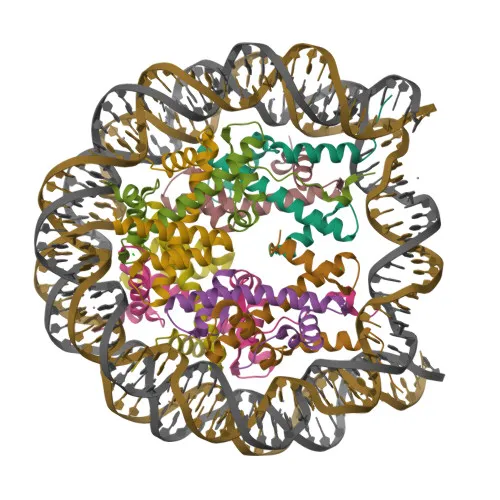
- As a core component of the nucleosome, H3.3 wraps and compacts DNA into chromatin, limiting DNA accessibility and thereby regulating processes such as DNA replication and transcription.
- The H3.3 variant is encoded by two genes, H3F3A and H3F3B, and shares high sequence identity with other H3 family members, including the testis-specific H3.1t (H3/g, H3.4).
- H3.3 is deposited into chromatin independently of DNA replication and is enriched at active promoters, regulatory elements, and pericentromeric heterochromatin.
- Post-translational modifications of H3.3, such as acetylation, methylation, phosphorylation, and ubiquitination (the "histone code"), are key to modulating chromatin structure and function.
- Subcellular localization is predominantly nuclear and chromosomal, consistent with its role in chromatin architecture.
Experimental Guidance and Technical Tips
- The immunogen covers the N-terminal tail and part of the globular domain (aa 1-136) of H3F3A, which includes numerous conserved modification sites. For applications targeting specific modifications, validate the antibody’s recognition of modified versus unmodified forms.
- For Western blotting, consider using nuclear-enriched lysates and optimizing blocking conditions to reduce nonspecific bands, as histones are highly basic proteins.
- The antibody is expected to cross-react widely among human, mouse, and rat, but performance should be validated in each experimental system due to potential sequence variations in other species.
CamelBio: Your One-Stop Sourcing Bridge
CamelBio streamlines IVD raw-material procurement for diagnostic manufacturers and researchers, offering validated antibody pairs, optimized polyclonal and monoclonal antibodies, bulk ancillary reagents, and rare target sourcing. This product supports chromatin and epigenetics research, and our team can assist with complementary reagents and technical consultation to accelerate your project from concept to clinic.
Product Datasheet
Anti-Histone H3.3 Rabbit Polyclonal Antibody for WB, ELISA - Q16695 / P68431
REQUEST A QUOTE
Our professional team will reply to you within one business day. Please feel free to contact us!