Polyclonal Antibodies
Anti-HIBCH Rabbit Polyclonal Antibody for WB, IF/ICC, ELISA - Q6NVY1
Item Number : CM0020742
Price varies based on specs and customizations
- Application
- WB, IF/ICC, ELISA
- Cross Reactivity
- Human, Mouse, Rat
- Protein Weight
- 43kDa

Shipping:
Contact us to get shipping details Enjoy On-time Dispatch Guarantee.
Why Choose Us
Easy ordering process, quality products, and dedicated support for your business success.
Core Product Specifications and Parameters
| Parameter | Value |
|---|---|
| Product Name | HIBCH Rabbit pAb |
| Remarks/Alias | HIBYLCOAH; HIBCH |
| Species | Human |
| Gene ID (Human) | 26275 |
| Gene ID | 26275 |
| Immunogen | Recombinant fusion protein containing a sequence corresponding to amino acids 33-330 of human HIBCH (NP_055177.2) |
| Source | Rabbit |
| Category | Polyclonal Antibodies |
| Application | WB, IF/ICC, ELISA |
| Cross Reactivity | Human, Mouse, Rat |
| SWISS | Q6NVY1 |
| Protein Weight | 43kDa |
| Shipping | Ice bag |
Biological Background: HIBCH Function and Localization
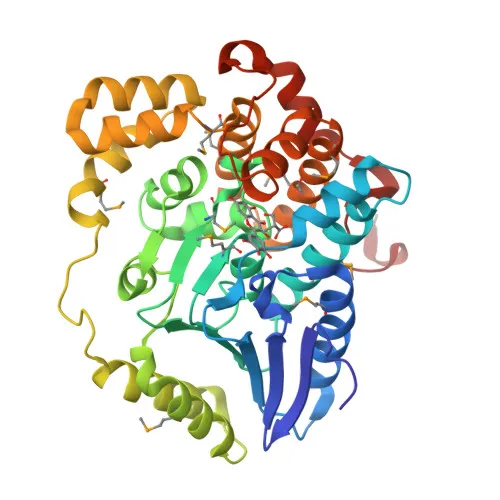
- HIBCH (3-hydroxyisobutyryl-CoA hydrolase, mitochondrial) is a hydrolase enzyme that catalyzes the hydrolysis of 3-hydroxyisobutyryl-CoA (HIBYL-CoA), a critical step in the valine catabolism pathway.
- The enzyme also displays high activity toward isobutyryl-CoA and may act as an isobutyryl-CoA dehydrogenase, further contributing to branched-chain amino acid degradation.
- HIBCH hydrolyzes 3-hydroxypropanoyl-CoA, indicating a broader substrate specificity that may intersect with propionate metabolism.
- Encoded by the HIBCH gene, the protein contains a mitochondrial transit peptide and localizes to the mitochondrion, consistent with its role in amino acid catabolism.
- Tissue expression is highest in liver and kidney, with lower levels detected in heart, muscle, and brain; expression is absent in lung.
- Post-translational modifications include acetylation and phosphorylation, and alternative splicing generates multiple isoforms.
- Keywords from UniProt highlight its association with disease variants (e.g., HIBCH deficiency), 3D-structure availability, and involvement in branched-chain amino acid catabolism.
Experimental Guidance and Technical Tips
- The immunogen (amino acids 33-330 of human HIBCH) covers the majority of the mature mitochondrial protein, suggesting detection of both full-length and processed forms in WB.
- For Western blotting, a main band at ~43 kDa is expected; validate expression levels in your target tissues, preferably liver or kidney as positive controls.
- When performing immunofluorescence (IF/ICC), consider co-staining with mitochondrial markers (e.g., TOMM20) to confirm mitochondrial localization.
- Although the antibody is reported to cross-react with mouse and rat, it is advisable to verify reactivity in your specific model system using lysates or tissue sections.
- For ELISA applications, optimize coating and detection conditions based on the recombinant protein used as immunogen.
CamelBio: Your One-Stop Sourcing Bridge
CamelBio equips diagnostic manufacturers and research laboratories with a comprehensive range of IVD raw materials, from validated antibody pairs to bulk ancillary reagents. Our portfolio includes optimized polyclonal and monoclonal antibodies for metabolic targets like HIBCH, supporting valine catabolism and mitochondrial disorder research. With technical consulting and sourcing services from concept to clinic, CamelBio ensures you have reliable access to the critical raw materials needed for your assay development and validation.
REQUEST A QUOTE
Our professional team will reply to you within one business day. Please feel free to contact us!