Polyclonal Antibodies
Anti-HGS Rabbit Polyclonal Antibody for WB, IF/ICC, IP, ELISA - O14964
Item Number : CM0024578
Price varies based on specs and customizations
- Application
- WB, IF/ICC, IP, ELISA
- Cross Reactivity
- Human, Mouse, Rat
- Protein Weight
- 86kDa

Shipping:
Contact us to get shipping details Enjoy On-time Dispatch Guarantee.
Why Choose Us
Easy ordering process, quality products, and dedicated support for your business success.
Core Product Specifications and Parameters
| Parameter | Value |
|---|---|
| Product Name | HGS Rabbit pAb |
| Remarks/Alias | HRS; HGS |
| Species | Human |
| Gene ID | 9146 (Human) |
| Immunogen | Recombinant protein |
| Source | Rabbit |
| Category | Polyclonal Antibodies |
| Application | WB, IF/ICC, IP, ELISA |
| Cross Reactivity | Human, Mouse, Rat |
| SWISS | O14964 |
| Protein Weight | 86kDa |
| Shipping | Ice bag |
Biological Background: HGS Function and Localization
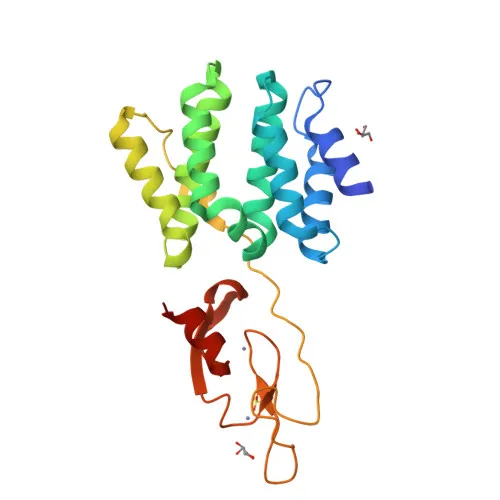
- HGS (Hepatocyte growth factor-regulated tyrosine kinase substrate), also known as Hrs or protein pp110, is encoded by the HGS gene in humans and belongs to the ESCRT-0 complex.
- It functions in intracellular signal transduction mediated by cytokines and growth factors; when associated with STAM, it suppresses DNA signaling upon IL-2 and GM-CSF stimulation.
- HGS acts as a key regulator of endosomal sorting, recruiting clathrin and concentrating ubiquitinated receptors within clathrin-coated regions for lysosomal degradation.
- As part of the ESCRT-0 complex with STAM, it recognizes ubiquitinated receptors and transfers them to the multivesicular body (MVB) pathway, mediating down-regulation of receptor tyrosine kinases.
- The protein localizes to the cytoplasm, early endosome membrane, and multivesicular body membrane, consistent with its role in vesicular trafficking.
- HGS is ubiquitously expressed in adult and fetal tissues, with higher levels in testis and peripheral blood leukocytes.
- Additional features include zinc-finger domains, metal-binding, and multiple post-translational modifications such as acetylation, phosphorylation, and ubiquitination.
Experimental Guidance and Technical Tips
- The immunogen corresponds to the C-terminal region (aa 548-777) of human HGS, suggesting potential reactivity with isoforms containing this region. For Western blotting, a band around 86 kDa is expected; consider using reducing conditions and appropriate loading controls.
- For immunofluorescence/ICC, fixation and permeabilization conditions should be optimized, as HGS localizes to endosomal membranes.
- Immunoprecipitation may enrich HGS and its interacting partners; validate with appropriate negative controls.
- ELISA can be used for quantitative detection; cross-reactivity with mouse and rat should be experimentally confirmed in your assay system.
CamelBio: Your One-Stop Sourcing Bridge
CamelBio provides a comprehensive one-stop sourcing solution for IVD raw materials, supporting diagnostic development from concept to clinic. This anti-HGS antibody, targeting a key player in endosomal sorting and receptor down-regulation, complements our portfolio of signaling and trafficking-related reagents. Whether you require validated antibody pairs, optimized monoclonal/polyclonal antibodies, bulk ancillary reagents, or sourcing for rare targets, CamelBio is your reliable procurement partner.
REQUEST A QUOTE
Our professional team will reply to you within one business day. Please feel free to contact us!