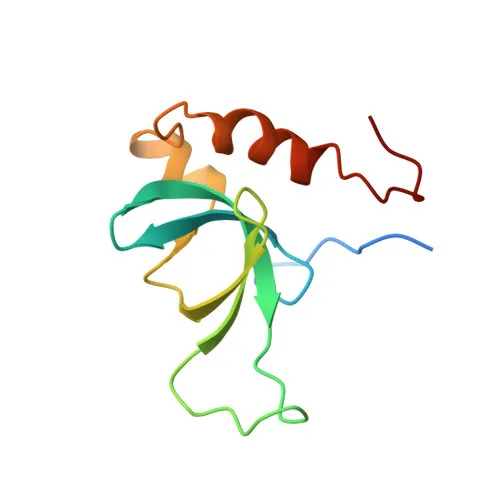
Monoclonal Antibodies
Anti-HDGF Monoclonal Antibody for WB, IF-P, ELISA - P51858
Item Number : CM0002958
Price varies based on specs and customizations
- Application
- WB, IF-P, ELISA
- Cross Reactivity
- Human, Mouse, Rat
- Protein Weight
- 27kDa

Shipping:
Contact us to get shipping details Enjoy On-time Dispatch Guarantee.
Why Choose Us
Easy ordering process, quality products, and dedicated support for your business success.
Core Product Specifications and Parameters
| Parameter | Value |
|---|---|
| Product Name | HDGF Rabbit mAb |
| Remarks/Alias | HMG1L2; HDGF |
| Species | Human |
| GeneID (Human) | 3068 |
| GeneID | 3068 |
| Immunogen | Synthetic Peptide; A synthetic peptide corresponding to a sequence within amino acids 100-200 of human HDGF (P51858). |
| Source | Rabbit |
| Category | Monoclonal Antibodies |
| Application | WB, IF-P, ELISA |
| Cross Reactivity | Human, Mouse, Rat |
| SWISS | P51858 |
| Protein Weight | 27kDa |
| Shipping | Ice bag |
Biological Background: HDGF Function and Localization
-
HDGF (hepatoma-derived growth factor, also known as HMG1L2) acts as a transcriptional repressor and stimulates the proliferation of fibroblasts through its mitogenic activity. It also functions as a heparin-binding protein, interacting with cell surface and extracellular matrix components. Related references: PMID:17974029, PMID:11751870, PMID:26845719, PMID:15491618
-
Alternative splicing produces isoforms with distinct functional properties. One isoform lacks mitogenic activity and does not bind heparin, while another retains both mitogenic and heparin-binding capabilities. Related references: PMID:26845719
-
HDGF is localized in multiple subcellular compartments, including the nucleus, cytoplasm, and extracellular space (secreted). It is also detected in extracellular exosomes, suggesting roles in intercellular communication.
-
Expression of HDGF is ubiquitous across human tissues, reflecting its fundamental roles in transcription regulation and cell growth.
-
Key post-translational modifications and structural features include acetylation, phosphorylation, disulfide bond formation, isopeptide bonds, and ubiquitin conjugation. The protein contains domains for DNA and nucleotide binding, consistent with its regulatory functions.
Experimental Guidance and Technical Tips
- The immunogen is a synthetic peptide corresponding to amino acids 100–200 of human HDGF. This region is conserved in mouse and rat, supporting the observed cross-reactivity.
- For Western blotting, the predicted molecular weight of HDGF is 27 kDa. Use appropriate gel percentages and validate band specificity with positive and negative control lysates.
- In immunofluorescence, HDGF can be detected in both nuclear and cytoplasmic compartments. Permeabilization and fixation conditions should be optimized for the cellular context.
- For ELISA, pair this antibody with a suitable detection antibody. Consider testing in the relevant sample matrix (serum, plasma, cell lysates) to confirm performance.
- Always validate the antibody in your specific experimental system, as reactivity may vary with sample origin and preparation.
CamelBio: Your One-Stop Sourcing Bridge
CamelBio provides comprehensive access to IVD raw materials, technical services, and consulting, supporting diagnostic manufacturers, laboratories, and research institutes from concept to clinic. Our portfolio includes validated antibody pairs, optimized monoclonal/polyclonal antibodies like this anti-HDGF clone, and bulk ancillary reagents. For specialized applications or rare targets, we offer tailored sourcing to meet your development and production needs. Whether you are investigating HDGF as a growth factor in cancer biology or developing an IVD assay, CamelBio streamlines your supply chain with reliable, one-stop access.
REQUEST A QUOTE
Our professional team will reply to you within one business day. Please feel free to contact us!