Polyclonal Antibodies
Anti-HBGG2 Rabbit Polyclonal Antibody for WB and ELISA - P69892
Item Number : CM0029149
Price varies based on specs and customizations
- Application
- WB, ELISA
- Cross Reactivity
- Human
- Protein Weight
- 16kDa

Shipping:
Contact us to get shipping details Enjoy On-time Dispatch Guarantee.
Why Choose Us
Easy ordering process, quality products, and dedicated support for your business success.
Core Product Specifications and Parameters
| Parameter | Value |
|---|---|
| Product Name | HBG2 Rabbit pAb |
| Remarks/Alias | TNCY; HBG-T1; HBG2 |
| Species | Human |
| Gene ID (Human) | 3048 |
| Gene ID | 3048 |
| Immunogen | A synthetic peptide corresponding to a sequence within amino acids 1-100 of human HBG2 (NP_000175.1) |
| Source | Rabbit |
| Category | Polyclonal Antibodies |
| Application | WB, ELISA |
| Cross Reactivity | Human |
| SWISS | P69892 |
| Protein Weight | 16kDa |
| Shipping | Ice bag |
Biological Background: Hemoglobin Subunit gamma-2 Function and Localization
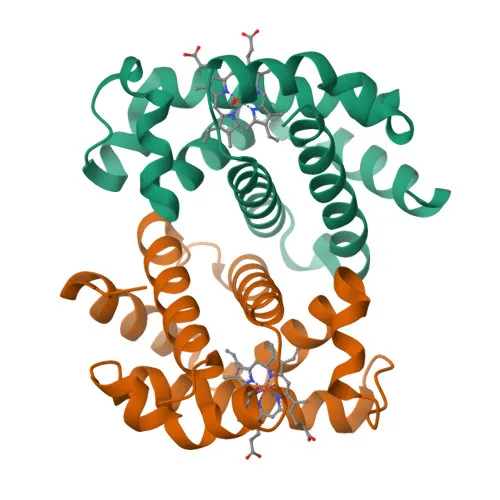
- Hemoglobin subunit gamma-2 (HBG2), also known as gamma-2-globin or Hb F Ggamma, is one of the two gamma chains (along with gamma-1) that, together with alpha-globin chains, constitute fetal hemoglobin (HbF), the predominant hemoglobin during fetal development.
- In combination with alpha chains, gamma chains form the functional fetal hemoglobin F, which has a higher oxygen affinity than adult hemoglobin, facilitating oxygen transfer from maternal to fetal circulation.
- HBG2 is specifically expressed in red blood cells, where fetal hemoglobin is produced during fetal life, with expression declining after birth as adult hemoglobin synthesis takes over.
- The gamma-globin genes (HBG2 and HBG1) are part of the beta-globin gene cluster on chromosome 11, and their expression is developmentally regulated.
- Key post-translational modifications include acetylation, phosphorylation, and S-nitrosylation, which may modulate hemoglobin function and stability.
- The protein is classified under keywords such as heme, iron, metal-binding, oxygen transport, and reference proteome, reflecting its critical role in oxygen delivery.
- Mutations in the HBG2 gene are associated with disease variants, including hereditary persistence of fetal hemoglobin (HPFH) and other hemoglobinopathies, making it a target for diagnostic applications.
Experimental Guidance and Technical Tips
- The immunogen is a synthetic peptide mapping to amino acids 1-100 of human HBG2 (NP_000175.1). This N-terminal region is likely solvent-exposed and suitable for generating antibodies that recognize the native protein in denaturing and native assays.
- For Western blot (WB), consider using lysates from fetal erythroid cells or cell lines expressing HBG2; the predicted band is approximately 16 kDa. Validate the antibody with appropriate positive and negative controls.
- For ELISA, the polyclonal nature may provide robust detection but consider pairing with a monoclonal capture or detection antibody for sandwich ELISA development.
- Confirm species cross-reactivity experimentally if testing beyond human, as the immunogen sequence may vary in other species.
- Store and handle according to the shipping condition (ice bag) and avoid repeated freeze-thaw cycles to maintain antibody integrity.
CamelBio: Your One-Stop Sourcing Bridge
CamelBio is a premier one-stop sourcing partner for IVD raw materials, offering validated monoclonal and polyclonal antibodies, bulk ancillary reagents, and custom sourcing for rare targets. The HBG2 rabbit polyclonal antibody supports hemoglobinopathy research and fetal hemoglobin detection applications, aligning with CamelBio’s commitment to delivering quality raw materials from concept to clinic. Explore our comprehensive portfolio to accelerate your diagnostic and research workflows.
REQUEST A QUOTE
Our professional team will reply to you within one business day. Please feel free to contact us!