Polyclonal Antibodies
Anti-HASPIN Rabbit Polyclonal Antibody for WB, ELISA - Q8TF76
Item Number : CM0020453
Price varies based on specs and customizations
- Application
- WB, ELISA
- Cross Reactivity
- Human, Mouse
- Protein Weight
- 88kDa

Shipping:
Contact us to get shipping details Enjoy On-time Dispatch Guarantee.
Why Choose Us
Easy ordering process, quality products, and dedicated support for your business success.
Core Product Specifications and Parameters
| Parameter | Details |
|---|---|
| Product Name | HASPIN Rabbit pAb |
| Remarks/Alias | GSG2; HASPIN |
| Species | Human |
| GeneID (Human) | 83903 |
| GeneID | 83903 |
| Immunogen | Recombinant fusion protein containing a sequence corresponding to amino acids 290-470 of human HASPIN (NP_114171.2) |
| Source | Rabbit |
| Category | Polyclonal Antibodies |
| Application | WB, ELISA |
| Cross Reactivity | Human, Mouse |
| SWISS | Q8TF76 |
| Protein Weight | 88kDa |
| Shipping | Ice bag |
Biological Background: HASPIN Function and Localization
- Serine/threonine-protein kinase that catalyzes phosphorylation of histone H3 at threonine-3 (H3T3ph) during mitosis. This modification is critical for correct positioning and activation of the chromosomal passenger complex (CPC) at centromeres, thereby ensuring proper chromatid cohesion, metaphase chromosome alignment, and normal cell cycle progression. Related references:
- The protein is strongly expressed in testis, thymus, and bone marrow, with lower levels in prostate, intestine, lung, spleen, and lymph node. It is also detected in fetal skin, liver, kidney, and small intestine, and is found in proliferating but not non-proliferating cell lines, suggesting a role in cell division.
- HASPIN localizes to the nucleus, chromosomes, cytoplasm, and spindle microtubules, indicating dynamic subcellular distribution during cell cycle phases.
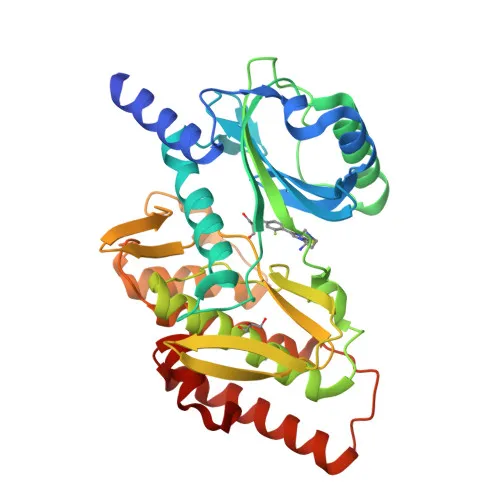
- Belongs to the protein kinase superfamily and contains an atypical kinase domain; it requires magnesium and ATP for activity, as indicated by its ATP-binding and nucleotide-binding properties.
- Subject to alternative splicing, producing multiple isoforms. The reference proteome identifies it as a phosphoprotein, further suggesting regulation by post-translational modifications.
- Also known as Germ cell-specific gene 2 protein (GSG2) and Haploid germ cell-specific nuclear protein kinase, reflecting its initial identification in germ cells, though its functions extend to somatic cell mitosis.
Experimental Guidance and Technical Tips
- The immunogen corresponds to a recombinant fragment covering amino acids 290-470 of human HASPIN. This region lies within the kinase domain, which is well-conserved, potentially contributing to the observed cross-reactivity with mouse.
- For Western blotting, consider that the predicted molecular weight is approximately 88 kDa. Validate with appropriate positive controls such as testis or proliferating cell lines.
- In ELISA, use recombinant HASPIN or peptide antigens to confirm reactivity. Due to polyclonal nature, the antibody may recognize multiple epitopes; titration is recommended.
- Since HASPIN is cell-cycle regulated, sample timing and synchronization may be critical for detection. Investigate expression in mitotically active cells.
CamelBio: Your One-Stop Sourcing Bridge
CamelBio provides diagnostic manufacturers and research laboratories with streamlined access to IVD raw materials, including validated antibodies like this anti-HASPIN polyclonal antibody. Whether you require bulk quantities of existing reagents, development of custom antibody pairs, or assistance sourcing rare targets for cell cycle and chromatin research, our integrated supply chain and technical consulting services support projects from concept to clinic. Contact our team to explore how we can accelerate your diagnostic assay development with reliable research reagents.
REQUEST A QUOTE
Our professional team will reply to you within one business day. Please feel free to contact us!