Polyclonal Antibodies
Anti-GYPB Rabbit Polyclonal Antibody for WB, ELISA - P06028
Item Number : CM0028424
Price varies based on specs and customizations
- Application
- WB, ELISA
- Cross Reactivity
- Human, Mouse
- Protein Weight
- 10kDa

Shipping:
Contact us to get shipping details Enjoy On-time Dispatch Guarantee.
Why Choose Us
Easy ordering process, quality products, and dedicated support for your business success.
Core Product Specifications and Parameters
| Parameter | Value |
|---|---|
| Product Name | GYPB Rabbit pAb |
| Remarks/Alias | SS, GPB, GYP, MNS, GYPA, PAS-3, CD235b, GYPB |
| Species | Human |
| Gene ID (Human) | 2994 |
| Immunogen | Synthetic peptide corresponding to a sequence within amino acids 1-91 of human GYPB (NP_002091.3) |
| Source | Rabbit |
| Category | Polyclonal Antibodies |
| Application | WB, ELISA |
| Cross Reactivity | Human, Mouse |
| SWISS | P06028 |
| Protein Weight | 10kDa |
| Shipping | Ice bag |
Biological Background: Glycophorin-B Function and Localization
- Glycophorin-B (GYPB, also known as SS-active sialoglycoprotein, PAS-3, and CD235b) is a single-pass transmembrane sialoglycoprotein expressed on erythrocytes.
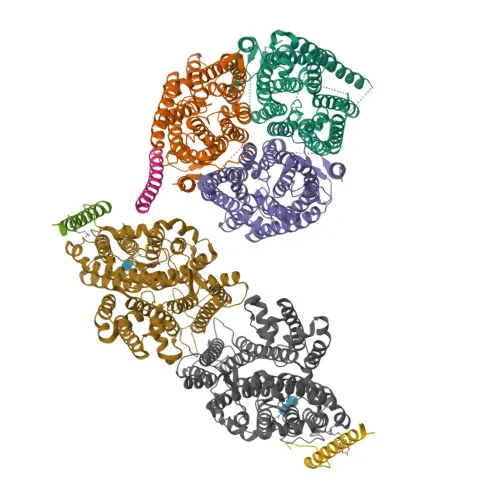
- It is a component of the ankyrin-1 complex, a multiprotein complex critical for maintaining the stability and shape of the erythrocyte membrane.
- The GYPB gene belongs to the glycophorin gene family (including GYPA and GYPE) and encodes the S and s blood group antigens of the MNS system.
- GYPB is localized exclusively to the cell membrane of erythrocytes.
- The mature protein undergoes extensive O-linked sialylation, contributing to its negative charge and role in red blood cell membrane organization.
- Alternative splicing generates multiple isoforms; the reviewed UniProt canonical isoform has a calculated molecular weight of ~9.8 kDa.
- UniProt keywords highlight 3D-structure determination, blood group antigen activity, sialic acid modification, and a transmembrane helix topology.
Experimental Guidance and Technical Tips
- For western blotting, consider using a 15% SDS-PAGE gel and low molecular weight markers to resolve the ~10–15 kDa glycoprotein band; the heavily glycosylated native form may migrate somewhat higher than the predicted core protein weight.
- When performing ELISA, the synthetic peptide immunogen (N-terminal region) may be used as a positive control; recombinant GYPB extracellular domain can also serve as a target.
- Because the antibody is raised against an N-terminal peptide and cross-reacts with mouse GYPB, it may detect multiple isoforms or processing variants; validate specificity in the relevant sample system using appropriate controls.
- For membrane protein detection, consider preparing erythrocyte ghost membranes or enriching membrane fractions to improve signal-to-noise ratios.
CamelBio: Your One-Stop Sourcing Bridge
CamelBio connects diagnostic manufacturers and research laboratories with a comprehensive portfolio of IVD raw materials, including validated antibodies like this anti-GYPB polyclonal antibody. Supporting erythrocyte membrane research and MNS blood group antigen studies, we provide ready-to-use antibody pairs, optimized monoclonal and polyclonal antibodies, bulk ancillary reagents, and specialized sourcing for rare-target raw materials. Let CamelBio streamline your supply chain from concept to clinic.
REQUEST A QUOTE
Our professional team will reply to you within one business day. Please feel free to contact us!