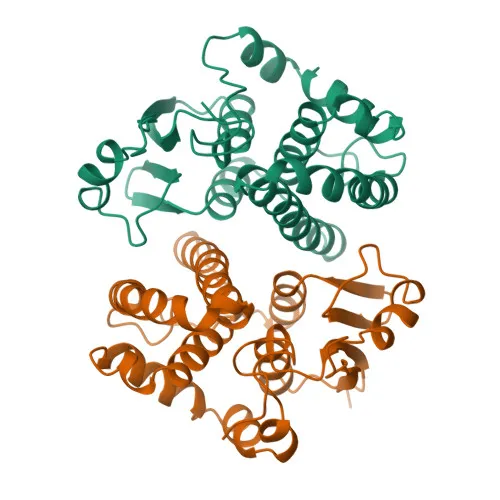
Polyclonal Antibodies
Anti-GSTM3 Polyclonal Antibody for WB, IF/ICC, ELISA - P21266
Item Number : CM0028108
Price varies based on specs and customizations
- Application
- WB, IF/ICC, ELISA
- Cross Reactivity
- Human, Mouse, Rat
- Protein Weight
- 27kDa

Shipping:
Contact us to get shipping details Enjoy On-time Dispatch Guarantee.
Why Choose Us
Easy ordering process, quality products, and dedicated support for your business success.
Core Product Specifications and Parameters
| Parameter | Value |
|---|---|
| Product Name | GSTM3 Rabbit pAb |
| Remarks/Alias | GST5; GSTB; GTM3; GSTM3-3; GSTM3TV2; hGSTM3-3; GSTM3 |
| Species | Human |
| Gene ID | 2947 |
| Immunogen | Recombinant fusion protein containing a sequence corresponding to amino acids 101-225 of human GSTM3 (NP_000840.2) |
| Source | Rabbit |
| Category | Polyclonal Antibodies |
| Application | WB, IF/ICC, ELISA |
| Cross Reactivity | Human, Mouse, Rat |
| SWISS | P21266 |
| Protein Weight | 27kDa |
| Shipping | Ice bag |
Biological Background: GSTM3 Function and Localization
- GSTM3 encodes glutathione S-transferase Mu 3 (GST class-mu 3), also known as hGSTM3-3, a member of the GST mu family of phase II detoxification enzymes.
- The primary function of GSTM3 is to catalyze the conjugation of reduced glutathione to a broad spectrum of exogenous and endogenous hydrophobic electrophiles, facilitating their elimination.
- GSTM3 may play a specialized role at the blood-testis and blood-brain barriers, governing the uptake and detoxification of xenobiotics and endogenous compounds in these tissues.
- The protein is predominantly expressed in the cytoplasm of testis and brain cells, consistent with its barrier-related detoxification functions.
- Post-translational modifications include isopeptide bond formation and ubiquitin-like (Ubl) conjugation, which may regulate enzyme activity, localization, or stability.
- GSTM3 belongs to the reference proteome of Homo sapiens and has been identified in multiple proteomics studies.
- The enzyme contains a catalytically active site that binds glutathione and hydrophobic substrates, typical of the GST superfamily.
Experimental Guidance and Technical Tips
- The immunogen corresponds to amino acids 101-225 within the conserved C-terminal region of human GSTM3; this sequence is highly homologous across human, mouse, and rat, supporting the reported cross-reactivity.
- For Western blot analysis, expect a band at approximately 27 kDa in reduced samples. Include positive controls such as testis or brain tissue lysates, where GSTM3 is enriched.
- In immunofluorescence/immunocytochemistry (IF/ICC), use fixation and permeabilization conditions suitable for cytoplasmic proteins. Validate specificity with appropriate controls, including cells known to express GSTM3.
- When performing ELISA, consider using a recombinant GSTM3 protein standard for quantification. The antibody can be used in both direct and indirect ELISA formats, but optimization of coating and detection conditions is advised.
- Because GSTM3 is a detoxification enzyme, its expression may be modulated by xenobiotics or cellular stress; consider treating samples with relevant inducers if low endogenous levels are expected.
CamelBio: Your One-Stop Sourcing Bridge
CamelBio serves as a comprehensive IVD raw-material partner, providing validated antibodies, bulk ancillary reagents, and specialized sourcing for research and diagnostic development. This anti-GSTM3 polyclonal antibody supports studies in detoxification, xenobiotic metabolism, and blood-tissue barrier biology. Through its integrated supply chain and technical expertise, CamelBio can assist with custom antibody generation, reagent scaling, and procurement of rare target reagents, streamlining the transition from research to clinical application.
REQUEST A QUOTE
Our professional team will reply to you within one business day. Please feel free to contact us!