Polyclonal Antibodies
Anti-GRPEL1 Polyclonal Antibody for WB, IHC-P, IF/ICC, ELISA - Q9HAV7
Item Number : CM0026261
Price varies based on specs and customizations
- Application
- WB, IHC-P, IF/ICC, ELISA
- Cross Reactivity
- Human, Mouse, Rat
- Protein Weight
- 24kDa

Shipping:
Contact us to get shipping details Enjoy On-time Dispatch Guarantee.
Why Choose Us
Easy ordering process, quality products, and dedicated support for your business success.
Core Product Specifications and Parameters
| Parameter | Value |
|---|---|
| Product Name | GRPEL1 Rabbit pAb |
| Remarks/Alias | GrpE; HMGE; mt-GrpE#1; GRPEL1 |
| Species | Human |
| GeneID (Human) | 80273 |
| GeneID | 80273 |
| Immunogen | Recombinant fusion protein containing a sequence corresponding to amino acids 1-217 of human GRPEL1 (NP_079472.1). |
| Source | Rabbit |
| Category | Polyclonal Antibodies |
| Application | WB, IHC-P, IF/ICC, ELISA |
| Cross Reactivity | Human, Mouse, Rat |
| SWISS | Q9HAV7 |
| Protein Weight | 24kDa |
| Shipping | Ice bag |
Biological Background: GRPEL1 Function and Localization
- GRPEL1 encodes the mitochondrial GrpE protein homolog 1, also designated HMGE or mt-GrpE#1, a conserved chaperone essential for mitochondrial protein homeostasis.
- The protein is an essential component of the presequence translocase-associated motor (PAM) complex, which drives ATP-dependent translocation of nuclear-encoded mitochondrial precursor proteins across the inner membrane into the matrix.
- GRPEL1 functions as a nucleotide exchange factor that regulates the binding of mitochondrial HSP70 (mtHsp70) to substrate proteins, controlling the chaperone cycle within the import machinery. Related references: PMID:11311562
- It is localized to the mitochondrial matrix, consistent with its role in the late stages of protein import and folding.
- Post-translational modifications include acetylation, and the protein belongs to the GrpE chaperone family, classified under the keywords: Chaperone, Mitochondrion, Acetylation, and Reference proteome.
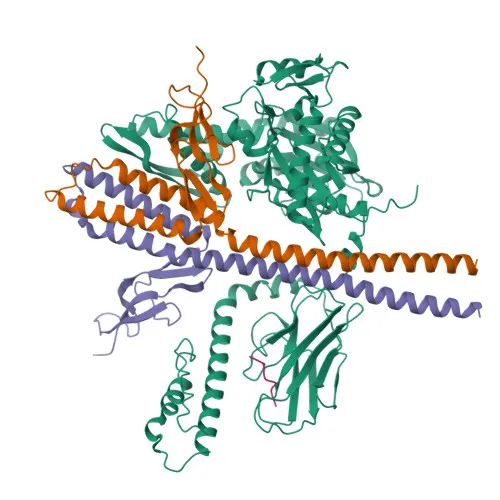
- Structural studies (3D-structure available) have provided insights into its mechanism, although no tissue-specific expression or antimicrobial functions have been reported for this human homolog.
Experimental Guidance and Technical Tips
- The immunogen spans almost the full-length protein (amino acids 1-217), suggesting the polyclonal antibody may recognize multiple epitopes; consider epitope specificity when interpreting results from different applications.
- For Western blot (WB), the predicted molecular weight is ~24 kDa; verify band size in relevant samples, as post-translational modifications or processing of the transit peptide could alter migration.
- In immunohistochemistry (IHC-P) and immunofluorescence (IF/ICC), mitochondrial matrix localization may require optimized fixation and permeabilization protocols to ensure antigen accessibility; co-staining with mitochondrial markers is recommended.
- For ELISA applications, use appropriate recombinant protein or peptide controls to establish standard curves and confirm antibody specificity.
- Always include positive and negative controls (e.g., cells with known GRPEL1 expression, knockout lysates, or blocking peptides) to validate specificity in your experimental system.
CamelBio: Your One-Stop Sourcing Bridge
CamelBio serves as a comprehensive sourcing platform for IVD raw materials, connecting diagnostic manufacturers and research laboratories with critical reagents like this anti-GRPEL1 antibody. We offer a broad portfolio of validated monoclonal and polyclonal antibodies, bulk ancillary reagents, and customized sourcing for rare mitochondrial and chaperone-related targets, streamlining your procurement from discovery through clinical development.
Product Datasheet
Anti-GRPEL1 Polyclonal Antibody for WB, IHC-P, IF/ICC, ELISA - Q9HAV7
REQUEST A QUOTE
Our professional team will reply to you within one business day. Please feel free to contact us!