Polyclonal Antibodies
Anti-GRIP1 Polyclonal Antibody for WB, ELISA - Q9Y3R0
Item Number : CM0029309
Price varies based on specs and customizations
- Application
- WB, ELISA
- Cross Reactivity
- Human, Mouse
- Protein Weight
- 122kDa

Shipping:
Contact us to get shipping details Enjoy On-time Dispatch Guarantee.
Why Choose Us
Easy ordering process, quality products, and dedicated support for your business success.
Core Product Specifications and Parameters
| Parameter | Value |
|---|---|
| Product Name | GRIP1 Rabbit pAb |
| Remarks/Alias | GRIP; FRASRS3; GRIP1 |
| Species | Human |
| GeneID (human) | 23426 |
| GeneID | 23426 |
| Immunogen | Recombinant fusion protein containing a sequence corresponding to amino acids 1-250 of human GRIP1 (NP_001171545.1) |
| Source | Rabbit |
| Category | Polyclonal Antibodies |
| Application | WB, ELISA |
| Cross Reactivity | Human, Mouse |
| SWISS | Q9Y3R0 |
| Protein Weight | 122kDa |
| Shipping | Ice bag |
Biological Background: GRIP1 Function and Localization
- GRIP1 (Glutamate receptor-interacting protein 1) functions as a localized scaffold for assembling multiprotein signaling complexes at specific neuronal subcellular locations. It mediates the trafficking of binding partners, including the AMPA receptor subunit GRIA2, controlling endosomal sorting toward recycling and membrane targeting. Related references: PMID:10197531
- The human GRIP1 gene encodes a 122 kDa protein with multiple splice isoforms, as indicated by the UniProt keyword 'Alternative splicing'.
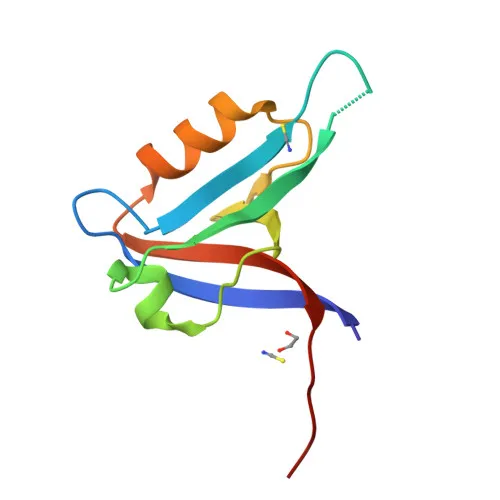
- GRIP1 contains PDZ domains that interact with glutamate receptors and intracellular signaling molecules, serving as a critical adaptor at the postsynaptic density.
- Subcellular localization includes the postsynaptic cell membrane, postsynaptic density, cytoplasmic vesicles, dendrites, endoplasmic reticulum membrane, and perikaryon, reflecting its dynamic trafficking role.
- Phosphorylation is a key post-translational modification of GRIP1, potentially regulating its interaction network and synaptic plasticity.
- By facilitating AMPA receptor recycling, GRIP1 directly influences excitatory synaptic transmission and may be implicated in neurological processes.
Experimental Guidance and Technical Tips
- The immunogen targets the N-terminal region (aa 1-250) of human GRIP1, which may reduce cross-reactivity with related PDZ domain proteins; consider sequence alignment to confirm specificity.
- For Western blot, use neuronal cell lines or brain tissue lysates from human or mouse, and validate the observed band(s) at ~122 kDa with appropriate controls.
- In ELISA applications, optimize coating conditions and detection system, as polyclonal antibodies can exhibit variable performance depending on the assay format.
- Consider using peptide blocking or genetic knockout controls to confirm band identity, especially when multiple bands are observed.
CamelBio: Your One-Stop Sourcing Bridge
CamelBio is your strategic sourcing partner for IVD raw materials, offering validated antibody pairs, monoclonal and polyclonal antibodies, and bulk ancillary reagents to support neuroscience and receptor biology research. Whether you need this anti-GRIP1 polyclonal antibody for glutamate receptor studies or custom raw-material solutions, we provide one-stop access from early-stage development to clinical application. Contact us to secure your critical components and accelerate your diagnostic workflows.
REQUEST A QUOTE
Our professional team will reply to you within one business day. Please feel free to contact us!