Polyclonal Antibodies
Anti-GRID1 Polyclonal Antibody for WB, IF/ICC, ELISA - Q9ULK0
Item Number : CM0026807
Price varies based on specs and customizations
- Application
- WB, IF/ICC, ELISA
- Cross Reactivity
- Mouse, Rat
- Protein Weight
- 112kDa

Shipping:
Contact us to get shipping details Enjoy On-time Dispatch Guarantee.
Why Choose Us
Easy ordering process, quality products, and dedicated support for your business success.
Core Product Specifications and Parameters
| Parameter | Specification |
|---|---|
| Product Name | GRID1 Rabbit pAb |
| Remarks/Alias | GluD1; GluD1-b; GRID1 |
| Species | Human |
| GeneID (Human) | 2894 |
| GeneID | 2894 |
| Immunogen | Recombinant fusion protein containing a sequence corresponding to amino acids 880-1009 of human GRID1 (NP_060021.1) |
| Source | Rabbit |
| Category | Polyclonal Antibodies |
| Application | WB, IF/ICC, ELISA |
| Cross Reactivity | Mouse, Rat |
| SWISS | Q9ULK0 |
| Protein Weight | 112kDa |
| Shipping | Ice bag |
Biological Background: GRID1 Function and Localization
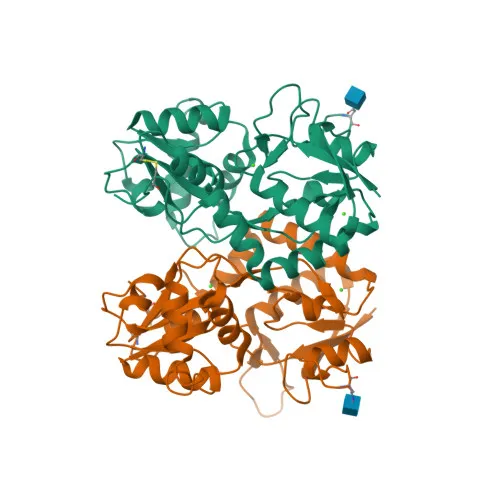
- GRID1 (Glutamate receptor ionotropic, delta-1; also known as GluD1) is a member of the ionotropic glutamate receptor family, sharing structural features but not binding glutamate as a primary ligand. Related references: PMID:38060673
- It acts as a trans-synaptic adhesion molecule, forming complexes with presynaptic neurexins and cerebellins, thereby regulating NMDA and AMPA receptor activity and influencing synaptic plasticity.
- Recent studies suggest it may function as a ligand-gated cation channel in the presence of neurexins and cerebellins, gated by glycine and D-serine (by similarity). However, this channel activity is disputed. Related references: PMID:39052831
- GRID1 can be triggered by GRM1 in dopaminergic neurons to form cation-selective channels (by similarity).
- It also acts as a receptor for GABA, modulating inhibitory synaptic plasticity through non-ionotropic mechanisms. Related references: PMID:38060673
- The protein is localized to the postsynaptic cell membrane, consistent with its role in synaptic signaling.
- Key features include a molecular weight of approximately 112 kDa, presence of signal peptide, transmembrane domains, and post-translational modifications such as glycosylation and disulfide bonds.
- Alternative splicing yields multiple isoforms, contributing to functional diversity.
Experimental Guidance and Technical Tips
- For Western blotting, validate the predicted band at approximately 112 kDa under reducing conditions, and consider using appropriate loading controls.
- In immunofluorescence/ICC applications, optimize fixation and permeabilization protocols, as the immunogen corresponds to an intracellular C-terminal region (aa 880-1009).
- The antibody cross-reacts with mouse and rat, making it suitable for model organism studies; confirm specificity in your experimental system.
- For ELISA, the antibody may be used with recombinant protein or peptide coatings; titration and buffer optimization are recommended.
CamelBio: Your One-Stop Sourcing Bridge
CamelBio offers a comprehensive portfolio of IVD raw materials for neuroscience targets like GRID1, including validated polyclonal antibodies and bulk ancillary reagents. Our one-stop sourcing model supports diagnostic manufacturers, labs, and research institutes from concept to clinic, streamlining procurement for synaptic plasticity and receptor signaling studies.
REQUEST A QUOTE
Our professional team will reply to you within one business day. Please feel free to contact us!