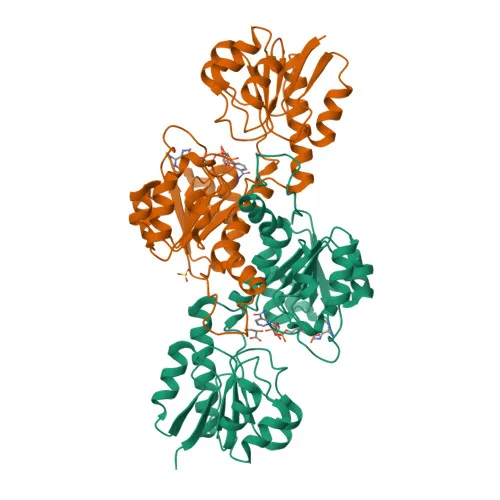
Polyclonal Antibodies
Anti-GRHPR Polyclonal Antibody for WB, IF/ICC, ELISA - Q9UBQ7
Item Number : CM0024000
Price varies based on specs and customizations
- Application
- WB, IF/ICC, ELISA
- Cross Reactivity
- Human, Mouse, Rat
- Protein Weight
- 36kDa

Shipping:
Contact us to get shipping details Enjoy On-time Dispatch Guarantee.
Why Choose Us
Easy ordering process, quality products, and dedicated support for your business success.
Core Product Specifications and Parameters
| Parameter | Value |
|---|---|
| Product Name | GRHPR Rabbit pAb |
| Remarks/Alias | PH2; GLXR; GLYD; GRHPR |
| Species | Human |
| GeneID (Human) | 9380 |
| GeneID | 9380 |
| Immunogen | Recombinant fusion protein containing a sequence corresponding to amino acids 100-328 of human GRHPR (NP_036335.1) |
| Source | Rabbit |
| Category | Polyclonal Antibodies |
| Application | WB, IF/ICC, ELISA |
| Cross Reactivity | Human, Mouse, Rat |
| SWISS | Q9UBQ7 |
| Protein Weight | 36kDa |
| Shipping | Ice bag |
Biological Background: GRHPR Function and Localization
- GRHPR (Glyoxylate reductase/hydroxypyruvate reductase) is a ubiquitous enzyme predominantly expressed in the liver, catalyzing the reduction of hydroxypyruvate to D-glycerate and glyoxylate to glycolate, as well as the oxidation of D-glycerate to hydroxypyruvate.
- The enzyme belongs to the D-isomer specific 2-hydroxyacid dehydrogenase family, utilizing NADP as a cofactor, and plays a role in glyoxylate metabolism and serine biosynthesis pathway regulation.
- Functional studies indicate that GRHPR activity is critical for detoxifying glyoxylate and preventing oxalate accumulation, with genetic mutations linked to primary hyperoxaluria type II (PH2).
- Keywords from UniProt include: Alternative splicing, NADP, Oxidoreductase, Phosphoprotein, and 3D-structure, suggesting potential structural and regulatory complexity.
- Tissue expression profiling reveals highest levels in the liver, consistent with its central metabolic function in hepatic glyoxylate handling.
- As a phosphoprotein, GRHPR may be subject to post-translational modification that could modulate its enzymatic activity in response to cellular signals.
Experimental Guidance and Technical Tips
- For Western blotting, a band around 36 kDa is expected; use liver tissue lysates or GRHPR-overexpressing cell lines as positive controls given its high expression in liver.
- In immunofluorescence experiments, consider co-staining with organelle markers to investigate subcellular localization, as GRHPR’s cellular compartment remains not fully characterized.
- For ELISA, the polyclonal nature may enhance sensitivity, but titration and cross-reactivity testing against related dehydrogenases is advisable.
- Pre-validation in mouse and rat samples is recommended to confirm expected cross-reactivity before large-scale experiments.
CamelBio: Your One-Stop Sourcing Bridge
CamelBio provides diagnostic manufacturers and researchers with streamlined access to high-quality raw materials for immunoassay development. Complementing this anti-GRHPR antibody, we offer validated antibody pairs, bulk ancillary reagents, and rare-target sourcing services to support your glyoxylate metabolism studies and IVD assay construction. Contact us to explore customized raw-material solutions from concept to clinic.
REQUEST A QUOTE
Our professional team will reply to you within one business day. Please feel free to contact us!