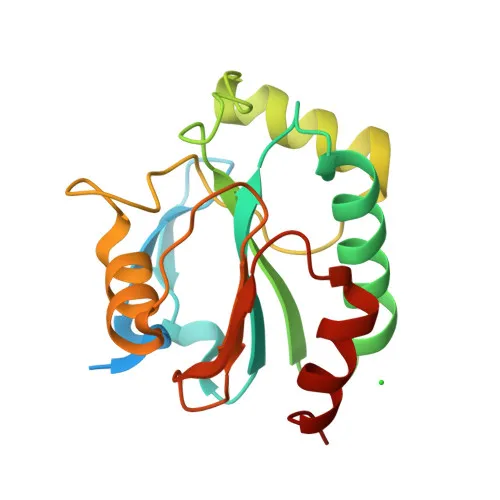
Polyclonal Antibodies
Anti-GPX7 Rabbit Polyclonal Antibody for WB, ELISA - Q96SL4
Item Number : CM0025979
Price varies based on specs and customizations
- Application
- WB, ELISA
- Cross Reactivity
- Human, Mouse, Rat
- Protein Weight
- 21kDa

Shipping:
Contact us to get shipping details Enjoy On-time Dispatch Guarantee.
Why Choose Us
Easy ordering process, quality products, and dedicated support for your business success.
Core Product Specifications and Parameters
| Parameter | Value |
|---|---|
| Product Name | GPX7 Rabbit pAb |
| Remarks/Alias | GPX6; CL683; GPx-7; NPGPx; GSHPx-7; GPX7 |
| Species | Human |
| GeneID (Human) | 2882 |
| GeneID | 2882 |
| Immunogen | Recombinant protein: Recombinant fusion protein containing a sequence corresponding to amino acids 20-187 of human GPX7 (NP_056511.2). |
| Source | Rabbit |
| Category | Polyclonal Antibodies |
| Application | WB, ELISA |
| Cross Reactivity | Human, Mouse, Rat |
| SWISS | Q96SL4 |
| Protein Weight | 21kDa |
| Shipping | Ice bag |
Biological Background: GPX7 Function and Localization
- GPX7, also known as GPX6, CL683, GPx-7, NPGPx, or GSHPx-7, is a cysteine-containing peroxidase of the glutathione peroxidase family that localizes to the endoplasmic reticulum (ER).
- It functions as an ER thiol peroxidase, maintaining ER redox homeostasis and supporting oxidative protein folding (PubMed:32719007). Related references: PMID:32719007
- GPX7 rapidly reacts with hydrogen peroxide to form sulfenylated or disulfide intermediates, subsequently oxidizing protein disulfide isomerase (PDI) family members to promote disulfide-bond formation (PubMed:21215271). Related references: PMID:21215271
- In a redox relay with ERO1A, GPX7 utilizes ERO1A-generated H2O2 to drive PDI oxidation, thereby coupling peroxide detoxification to productive disulfide formation (PubMed:23919619). Related references: PMID:23919619
- It protects esophageal epithelial cells from hydrogen peroxide-induced oxidative stress by attenuating reactive oxygen species (ROS) and preventing oxidative DNA damage and double-strand breaks (PubMed:22157330). Related references: PMID:22157330
- Subcellularly, GPX7 is located in the endoplasmic reticulum, consistent with its role in oxidative protein folding.
- Tissue-specifically, it is expressed in esophageal epithelial cells, and its expression is upregulated upon exposure to acidic bile acids.
- The protein bears an N-terminal signal peptide and is classified under the keywords isomerase, oxidoreductase, and peroxidase.
Experimental Guidance and Technical Tips
- The immunogen used (amino acids 20–187 of human GPX7) corresponds to the mature protein after signal peptide cleavage; this design may enhance specificity for the processed form.
- For Western blot, a band at approximately 21 kDa is predicted; consider using reducing conditions and validate in your sample system, as observed mobility can vary slightly.
- Cross-reactivity with mouse and rat has been verified by the supplier; ensure sequence homology for your target species if testing additional orthologs.
- This antibody has been used in ELISA; for sandwich assays, verify compatibility with other antibodies and optimize coating conditions.
- As a polyclonal antibody, lot-to-lot consistency may vary; routine quality checks and in-house validation are recommended.
CamelBio: Your One-Stop Sourcing Bridge
CamelBio provides diagnostic manufacturers and research institutes with comprehensive access to IVD raw materials, including validated antibodies like this anti-GPX7 polyclonal antibody for ER stress and redox biology studies. In addition to bulk monoclonal and polyclonal antibodies, we offer ancillary reagents and sourcing services for rare targets to streamline assay development. Contact us to accelerate your project from concept to clinic.
REQUEST A QUOTE
Our professional team will reply to you within one business day. Please feel free to contact us!