Polyclonal Antibodies
Anti-GPX3 Rabbit Polyclonal Antibody for WB and ELISA - P22352
Item Number : CM0018475
Price varies based on specs and customizations
- Application
- WB, ELISA
- Cross Reactivity
- Mouse, Rat
- Protein Weight
- 26kDa

Shipping:
Contact us to get shipping details Enjoy On-time Dispatch Guarantee.
Why Choose Us
Easy ordering process, quality products, and dedicated support for your business success.
Core Product Specifications and Parameters
| Parameter | Value |
|---|---|
| Product Name | GPX3 Rabbit pAb |
| Remarks/Alias | GPx-P; GSHPx-3; GSHPx-P; GPX3 |
| Species | Human |
| GeneID (Human) | 2878 |
| GeneID | 2878 |
| Immunogen | A synthetic peptide corresponding to a sequence within amino acids 1-100 of human GPX3 (NP_002075.2) |
| Source | Rabbit |
| Category | Polyclonal Antibodies |
| Application | WB, ELISA |
| Cross Reactivity | Mouse, Rat |
| SWISS | P22352 |
| Protein Weight | 26kDa |
| Shipping | Ice bag |
Biological Background: GPX3 Function and Localization
- Glutathione peroxidase 3 (GPX3) is a selenoprotein enzyme belonging to the glutathione peroxidase family, also known as extracellular or plasma glutathione peroxidase (GPx-P/GSHPx-P).
- It catalyzes the reduction of hydrogen peroxide, lipid peroxides, and organic hydroperoxides using glutathione as a reducing agent, thereby protecting cells and enzymes from oxidative damage.
- The presence of a selenocysteine (Sec) residue at its active site is critical for its peroxidase activity; GPX3 is thus classified as a selenoprotein.
- GPX3 is a secreted protein, primarily found in plasma, where it contributes to systemic antioxidant defense by detoxifying peroxides in the extracellular environment.
- It is synthesized as a precursor with a signal peptide, which directs its secretion; the mature protein has a molecular weight of approximately 26 kDa (calculated 25.5 kDa).
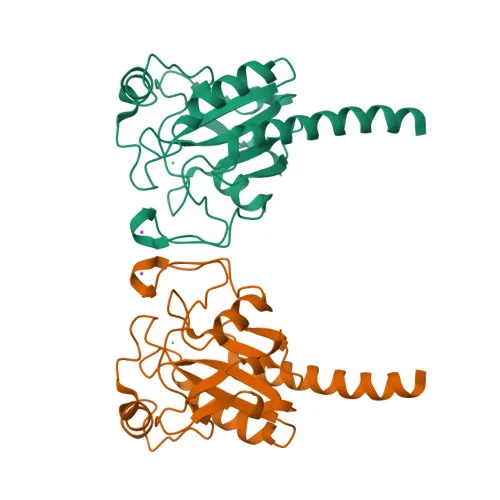
- Three-dimensional structural studies and direct protein sequencing have been performed, confirming its identity and functional sites.
- Keywords: Oxidoreductase, peroxidase, reference proteome, and high-confidence proteomics identification.
Experimental Guidance and Technical Tips
- The immunogen is a synthetic peptide mapping to amino acids 1-100 of human GPX3 (NP_002075.2); this N-terminal region includes the signal peptide and part of the mature protein, possibly yielding antibodies that recognize both precursor and mature forms.
- For Western blot (WB), consider using denaturing and reducing conditions, and validate endogenous GPX3 detection in mouse or rat plasma/tissue extracts, given the reported cross-reactivity.
- The predicted molecular weight is 26 kDa; an appropriate gel percentage (e.g., 12% SDS-PAGE) and transfer conditions should be optimized; a band near 26 kDa may be observed.
- For ELISA applications, coating with recombinant GPX3 or captured plasma GPX3 may be used; polyclonal antibodies may require careful titration to ensure specificity.
- As a polyclonal antibody, lot-to-lot variability should be monitored, and appropriate controls (e.g., knockout samples, peptide pre-adsorption) may aid in confirming specificity.
CamelBio: Your One-Stop Sourcing Bridge
CamelBio provides diagnostic manufacturers and research institutes with a comprehensive portfolio of IVD raw materials, including validated antibody pairs, bulk primary antibodies, and ancillary reagents for oxidative stress and metabolic biomarker research. This anti-GPX3 polyclonal antibody supports studies into systemic antioxidant defense and can be sourced together with matched reagents for ELISA and WB workflow needs. For rare-target or custom antibody development, CamelBio offers tailored sourcing and technical consultation from concept to clinical application.
REQUEST A QUOTE
Our professional team will reply to you within one business day. Please feel free to contact us!