Polyclonal Antibodies
Anti-GPX2 Rabbit Polyclonal Antibody for WB, IHC-P, ELISA - P18283
Item Number : CM0014193
Price varies based on specs and customizations
- Application
- WB, IHC-P, ELISA
- Cross Reactivity
- Human, Mouse, Rat
- Protein Weight
- 22kDa

Shipping:
Contact us to get shipping details Enjoy On-time Dispatch Guarantee.
Why Choose Us
Easy ordering process, quality products, and dedicated support for your business success.
Core Product Specifications and Parameters
| Parameter | Value |
|---|---|
| Product Name | GPX2 Rabbit pAb |
| Remarks/Alias | GPRP; GPx-2; GI-GPx; GPRP-2; GPx-GI; GSHPx-2; GSHPX-GI; GPX2 |
| Species | Human |
| GeneID (Human) | 2877 |
| GeneID | 2877 |
| Immunogen | Recombinant fusion protein containing a sequence corresponding to amino acids 100-180 of human GPX2 (NP_002074.2). |
| Source | Rabbit |
| Category | Polyclonal Antibodies |
| Application | WB, IHC-P, ELISA |
| Cross Reactivity | Human, Mouse, Rat |
| SWISS | P18283 |
| Protein Weight | 22kDa |
| Shipping | Ice bag |
Biological Background: GPX2 Function and Localization
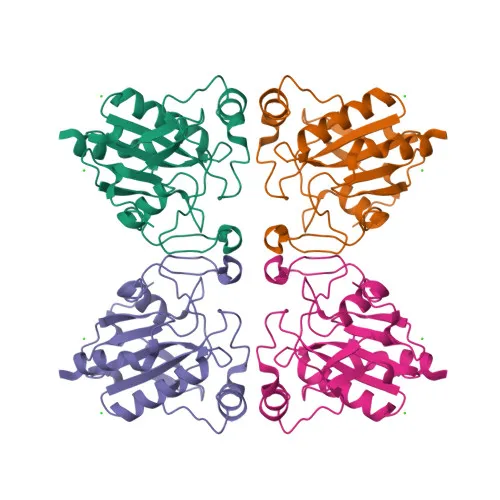
- GPX2 (Glutathione peroxidase 2) is a selenocysteine-containing enzyme belonging to the glutathione peroxidase family. It is also known as gastrointestinal glutathione peroxidase (GPx-GI) or phospholipid hydroperoxide glutathione peroxidase.
- GPX2 catalyzes the reduction of hydroperoxides in a glutathione-dependent manner, regulating cellular redox homeostasis. It can reduce small soluble hydroperoxides such as H2O2, cumene hydroperoxide, and tert-butyl hydroperoxide, as well as several fatty acid-derived hydroperoxides, but not phosphatidylcholine hydroperoxide. Related references: PMID:36608588 PMID:8428933
- The protein is primarily expressed in the liver and gastrointestinal tract, with no significant expression in heart or kidney, indicating a tissue-specific role in antioxidant defense in these tissues.
- Subcellularly, GPX2 is localized in the cytoplasm/cytosol, consistent with its role in intracellular ROS detoxification.
- The active site contains a selenocysteine (Sec) residue, which is essential for its peroxidase activity, and the protein’s molecular weight is approximately 22 kDa.
- Keywords: 3D-structure, oxidoreductase, peroxidase, proteomics identification, reference proteome, selenocysteine.
Experimental Guidance and Technical Tips
- The immunogen corresponds to a region within amino acids 100-180 of human GPX2, which may recognize both native and denatured forms; validate in the relevant assay.
- For Western blotting (WB), the predicted molecular weight is ~22 kDa; consider using appropriate gel percentage and transfer conditions.
- In immunohistochemistry (IHC-P), optimize antigen retrieval and antibody dilution for the specific tissue type, especially for gastrointestinal or liver samples given the tissue specificity.
- For ELISA, the antibody may be used as a capture or detection reagent; perform cross-titration experiments to determine the best working concentrations.
- Cross-reactivity with mouse and rat GPX2 has been reported, which allows for multi-species studies; however, confirm with positive controls.
CamelBio: Your One-Stop Sourcing Bridge
CamelBio connects diagnostic manufacturers and researchers with high-quality IVD raw materials like this anti-GPX2 polyclonal antibody, supporting oxidative stress and gastrointestinal disease research. From validated antibody pairs to bulk ancillary reagents, CamelBio simplifies procurement for every development stage.
REQUEST A QUOTE
Our professional team will reply to you within one business day. Please feel free to contact us!