Monoclonal Antibodies
Anti-GPR109A/HM74A/HCAR2 Monoclonal Antibody for WB, ELISA - Q8TDS4
Item Number : CM0004041
Price varies based on specs and customizations
- Application
- WB, ELISA
- Cross Reactivity
- Mouse, Rat
- Protein Weight
- 42kDa

Shipping:
Contact us to get shipping details Enjoy On-time Dispatch Guarantee.
Why Choose Us
Easy ordering process, quality products, and dedicated support for your business success.
Core Product Specifications and Parameters
| Parameter | Value |
|---|---|
| Product Name | GPR109A/HM74A/HCAR2 Rabbit mAb |
| Remarks/Alias | HCA2; HM74a; HM74b; PUMAG; NIACR1; Puma-g; GPR109A; GPR109A/HM74A/HCAR2 |
| Species | Human |
| GeneID (Human) | 338442 |
| GeneID | 338442 |
| Immunogen | Synthetic peptide corresponding to a sequence within amino acids 100-200 of human GPR109A/HM74A/HCAR2 (NP_808219.1) |
| Source | Rabbit |
| Category | Monoclonal Antibodies |
| Application | WB, ELISA |
| Cross Reactivity | Mouse, Rat |
| SWISS | Q8TDS4 |
| Protein Weight | 42kDa |
| Shipping | Ice bag |
Biological Background: GPR109A/HM74A/HCAR2 Function and Localization
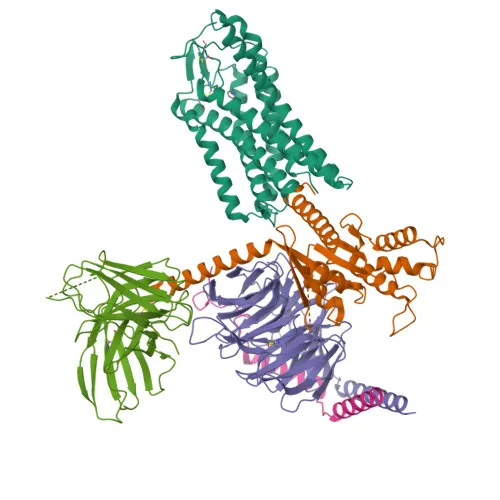
- GPR109A, also known as hydroxycarboxylic acid receptor 2 (HCAR2/HM74A), is a G protein-coupled receptor that functions as a high affinity receptor for nicotinic acid (niacin) and (D)-beta-hydroxybutyrate.
- Ligand binding triggers G(i)-protein-mediated inhibition of adenylyl cyclase, leading to reduced intracellular cAMP levels, increased adiponectin secretion, and decreased lipolysis; this pharmacological effect requires nicotinic acid doses far above normal dietary intake.
- The receptor mediates nicotinic acid-induced apoptosis in mature neutrophils by reducing cAMP levels, which may affect activity of cAMP-dependent protein kinase A and phosphorylation of target proteins.
- A rank order of potency for ligand displacement of nicotinic acid binding has been established: 5-methyl pyrazole-3-carboxylic acid = pyridine-3-acetic acid > acifran > 5-methyl nicotinic acid = acipimox >> nicotinuric acid = nicotinamide.
- Subcellular localization is primarily at the cell membrane, consistent with its transmembrane receptor function.
- Tissue expression is largely restricted to adipose tissue and spleen; the receptor is present on mature neutrophils but not on immature neutrophils or eosinophils.
- The receptor belongs to the G protein-coupled receptor family and shares structural features such as disulfide bonds and multiple transmembrane helices.
Experimental Guidance and Technical Tips
- The immunogen for this monoclonal antibody is a synthetic peptide within amino acids 100–200; for peptide-based ELISA, consider using the immunogen peptide or a different region as coating antigen to confirm specificity.
- In Western blotting, the predicted molecular weight is approximately 42 kDa; due to post-translational modifications or gel conditions, the observed band may vary slightly.
- As the antibody shows cross-reactivity with mouse and rat, it can be used for homologous target detection in these species, but validation in the relevant sample system is recommended.
- For functional studies involving niacin or ketone body signaling, consider using this antibody to monitor receptor expression levels in adipose tissue, spleen, or neutrophil populations.
CamelBio: Your One-Stop Sourcing Bridge
CamelBio is your strategic one-stop partner for IVD raw materials, offering a broad portfolio of validated antibody pairs, optimized monoclonal and polyclonal antibodies, and bulk ancillary reagents to support diagnostic development. For researchers focused on metabolic disorders or inflammation, the GPR109A/HCAR2 target is available through our streamlined sourcing pipeline, and we also accommodate rare-target raw-material requests to bridge research concepts to clinical application.
REQUEST A QUOTE
Our professional team will reply to you within one business day. Please feel free to contact us!