Monoclonal Antibodies
Anti-GPIX/CD42a/GP9 Rabbit Monoclonal Antibody for WB, ELISA - P14770
Item Number : CM0006427
Price varies based on specs and customizations
- Application
- WB, ELISA
- Cross Reactivity
- Human
- Protein Weight
- 19kDa

Shipping:
Contact us to get shipping details Enjoy On-time Dispatch Guarantee.
Why Choose Us
Easy ordering process, quality products, and dedicated support for your business success.
Core Product Specifications and Parameters
| Parameter | Value |
|---|---|
| Product Name | GPIX/CD42a/GP9 Rabbit mAb |
| Remarks/Alias | GPIX; CD42a; GPIX/CD42a/GP9 |
| Species | Human |
| GeneID | 2815 |
| Immunogen | Recombinant fusion protein containing a sequence corresponding to amino acids 17-140 of human GPIX/CD42a/GP9 (NP_000165.1) |
| Source | Rabbit |
| Category | Monoclonal Antibodies |
| Application | WB, ELISA |
| Cross Reactivity | Human |
| SWISS | P14770 |
| Protein Weight | 19kDa |
| Shipping | Ice bag |
Biological Background: Platelet Glycoprotein IX Function and Localization
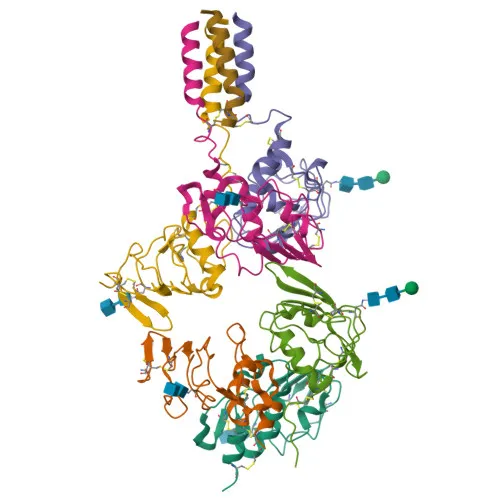
- Platelet glycoprotein IX (GPIX), also known as GP9 or CD42a, is a component of the GPIb-V-IX complex, which functions as the receptor for von Willebrand factor (vWF) and mediates vWF-dependent platelet adhesion to the vascular endothelium, a critical step in hemostasis.
- GPIX is a single-pass membrane protein characterized by a leucine-rich repeat (LRR) domain, a signal peptide, and a transmembrane helix, contributing to the structural stability of the GPIb-V-IX complex.
- The GPIb-V-IX complex includes GPIb (alpha and beta subunits), GPV, and GPIX, with GPIX thought to facilitate membrane insertion and proper orientation of GPIb within the platelet membrane.
- Subcellular localization is primarily at the plasma membrane of platelets and megakaryocytes, consistent with its role in adhesion and signaling upon vascular injury.
- Key post-translational modifications include a disulfide bond and glycosylation sites; the protein is also subject to proteomics identification.
- Mutations in GP9 are associated with Bernard-Soulier syndrome, a bleeding disorder characterized by macrothrombocytopenia and defective platelet adhesion.
- GPIX is classified under blood coagulation, hemostasis, cell adhesion, and disease variant keywords, highlighting its clinical relevance in thrombotic and bleeding disorders.
Experimental Guidance and Technical Tips
- The immunogen covers amino acids 17-140, which spans the extracellular leucine-rich repeat domain; this region is exposed and accessible for antibody binding in native and denatured conditions, making it suitable for WB and ELISA applications specified.
- For WB, consider using a reduced sample preparation given the presence of a disulfide bond; the predicted molecular weight is approximately 19 kDa, but glycosylation may lead to a higher apparent mass.
- Validate the antibody’s specificity in your sample system by including appropriate controls, such as platelet lysates or recombinant protein; cross-reactivity is reported for human only.
- For ELISA, consider coating antigen directly or capturing via a paired antibody if designing sandwich assays; the sensitivity may vary based on buffer and incubation conditions.
CamelBio: Your One-Stop Sourcing Bridge
CamelBio streamlines the sourcing of IVD raw materials for diagnostic manufacturers and researchers, offering validated antibodies, including this rabbit monoclonal against platelet glycoprotein IX, alongside matched pairs and ancillary reagents. With expertise in hemostasis and thrombosis targets, CamelBio supports your development of platelet function assays and coagulation diagnostics from early R&D to commercial scale-up. Our commitment to quality and supply consistency ensures you can focus on advancing your diagnostic solutions.
Product Datasheet
Anti-GPIX/CD42a/GP9 Rabbit Monoclonal Antibody for WB, ELISA - P14770
REQUEST A QUOTE
Our professional team will reply to you within one business day. Please feel free to contact us!