Polyclonal Antibodies
Anti-GPER1 Rabbit Polyclonal Antibody for WB, IF/ICC, ELISA - Q99527
Item Number : CM0017714
Price varies based on specs and customizations
- Application
- WB, IF/ICC, ELISA
- Cross Reactivity
- Human, Mouse, Rat
- Protein Weight
- 42kDa

Shipping:
Contact us to get shipping details Enjoy On-time Dispatch Guarantee.
Why Choose Us
Easy ordering process, quality products, and dedicated support for your business success.
Core Product Specifications and Parameters
| Parameter | Value |
|---|---|
| Product Name | GPER1 Rabbit pAb |
| Remarks/Alias | mER; CEPR; GPER; DRY12; FEG-1; GPR30; LERGU; LyGPR; CMKRL2; LERGU2; GPCR-Br |
| Species | Human |
| GeneID (Human) | 2852 |
| GeneID | 2852 |
| Immunogen | Recombinant protein|Recombinant fusion protein containing a sequence corresponding to amino acids 307-375 of human GPER1 (NP_001496.1). |
| Source | Rabbit |
| Category | Polyclonal Antibodies |
| Application | WB, IF/ICC, ELISA |
| Cross Reactivity | Human, Mouse, Rat |
| SWISS | Q99527 |
| Protein Weight | 42kDa |
| Shipping | Ice bag |
Biological Background: GPER1 Function and Localization
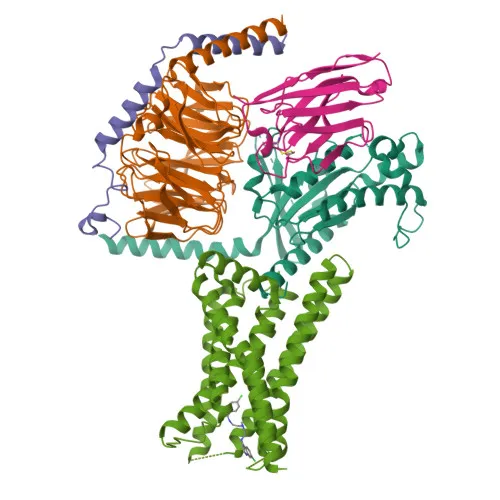
- GPER1 (G protein-coupled estrogen receptor 1) is a high-affinity receptor for 17-beta-estradiol (E2), mediating rapid non-genomic estrogen signaling through multiple pathways including cAMP production, calcium mobilization, and Src kinase activation.
- It plays a crucial cardioprotective role by reducing cardiac hypertrophy and perivascular fibrosis in a RAMP3-dependent manner, and regulates blood pressure via vasodilation and inhibition of vascular cell proliferation.
- In the nervous system, GPER1 promotes neuritogenesis in developing hippocampal neurons and provides acute neuroprotection against NMDA-induced excitotoxicity, while also modulating LHRH neuron activity and firing.
- Subcellularly, GPER1 localizes to the plasma membrane, but also resides in intracellular compartments including the endoplasmic reticulum, Golgi, endosomes, and the nucleus, consistent with its diverse signaling capabilities.
- Post-translational modifications such as glycosylation, acetylation, and ubiquitination (as indicated by UniProt keywords) may regulate receptor stability, trafficking, or signaling; the protein also features transmembrane helices and disulfide bonds typical of GPCRs.
- Tissue expression is ubiquitous but highest in placenta; at the protein level, it is detected in endothelial, epithelial, and smooth muscle cells, as well as cancer-associated fibroblasts, linking it to both normal physiology and cancer biology.
Experimental Guidance and Technical Tips
- For Western blot (WB), the predicted molecular weight is approximately 42 kDa; however, due to glycosylation, the observed band may appear at 50-55 kDa. Use non-reducing conditions and avoid boiling samples to minimize aggregation.
- In immunofluorescence/immunocytochemistry (IF/ICC), permeabilization is recommended to detect intracellular GPER1 pools located in the endoplasmic reticulum, Golgi, and endosomes, in addition to the plasma membrane.
- The antibody, raised against the C-terminal region (aa 307-375), likely recognizes the intracellular domain; thus, epitope accessibility may require permeabilization or detergent treatment for optimal staining.
- For ELISA, consider using recombinant GPER1 protein or cell lysates from positive tissues (e.g., placenta) as coating antigens, with appropriate validation in the relevant species.
CamelBio: Your One-Stop Sourcing Bridge
CamelBio is your integrated partner for IVD raw material procurement, offering this high-quality anti-GPER1 polyclonal antibody alongside complementary reagents for estrogen receptor research. Whether you need validated antibody pairs, bulk ancillary reagents, or access to rare target-specific materials, our one-stop sourcing model streamlines your workflow from discovery to diagnostic development.
REQUEST A QUOTE
Our professional team will reply to you within one business day. Please feel free to contact us!