Polyclonal Antibodies
Anti-GPD1 Rabbit Polyclonal Antibody for WB and ELISA - P21695
Item Number : CM0027572
Price varies based on specs and customizations
- Application
- WB, ELISA
- Cross Reactivity
- Human, Mouse, Rat
- Protein Weight
- 38kDa

Shipping:
Contact us to get shipping details Enjoy On-time Dispatch Guarantee.
Why Choose Us
Easy ordering process, quality products, and dedicated support for your business success.
Core Product Specifications and Parameters
| Parameter | Specification |
|---|---|
| Product Name | GPD1 Rabbit pAb |
| Remarks/Alias | GPD-C; HTGTI; GPDH-C; GPD1 |
| Species | Human |
| GeneID (Human) | 2819 |
| GeneID | 2819 |
| Immunogen | Recombinant fusion protein containing a sequence corresponding to amino acids 1-349 of human GPD1 (NP_005267.2) |
| Source | Rabbit |
| Category | Polyclonal Antibodies |
| Application | WB, ELISA |
| Cross Reactivity | Human, Mouse, Rat |
| SWISS | P21695 |
| Protein Weight | 38kDa |
| Shipping | Ice bag |
Biological Background: GPD1 Function and Localization
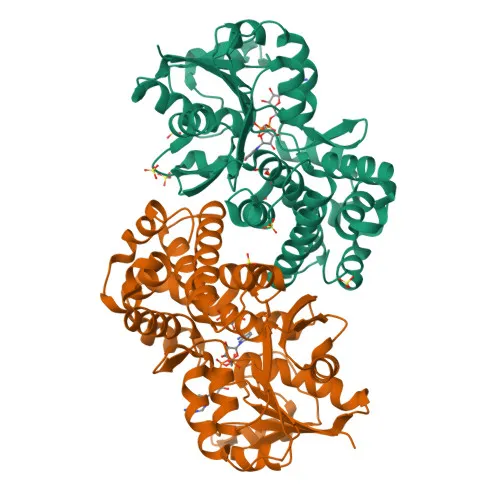
- GPD1 encodes the cytoplasmic enzyme glycerol-3-phosphate dehydrogenase [NAD(+)], which catalyzes the interconversion of glycerol-3-phosphate and dihydroxyacetone phosphate using NAD+/NADH as cofactors.
- As a key component of the glycerol phosphate shuttle, GPD1 links carbohydrate and lipid metabolism by transferring reducing equivalents from the cytosol to the mitochondrial electron transport chain.
- The enzyme is predominantly expressed in the liver, where it plays a critical role in hepatic gluconeogenesis and triglyceride synthesis.
- Alternative splicing of the GPD1 transcript generates multiple isoforms, potentially expanding functional diversity in different tissues or developmental stages.
- Post-translational phosphorylation of GPD1 has been identified through proteomics analyses, suggesting regulatory modulation of its enzymatic activity.
- Mutations in GPD1 are classified as disease variants, implicating the protein in metabolic disorders; for example, GPD1 deficiency is associated with hypertriglyceridemia.
- Subcellular localization is restricted to the cytoplasm, consistent with its role in cytosolic metabolic pathways.
Experimental Guidance and Technical Tips
- For Western blot, a predominant band near 38 kDa is expected in human, mouse, and rat liver lysates; using a reduced sample may improve resolution.
- Since the antibody is polyclonal, preliminary titration (e.g., 1:500–1:2000) is recommended to optimize signal-to-noise ratio for each application.
- For ELISA, the recombinant immunogen (full-length GPD1) can serve as a positive control to establish assay sensitivity and linearity.
- Given the liver-specific expression, human or rodent liver protein extracts are appropriate positive controls; consider validating in the relevant sample system before large-scale experiments.
- Verify target sequence homology between human and rodent GPD1 if quantitative cross-species comparison is required, although broad cross-reactivity has been confirmed.
CamelBio: Your One-Stop Sourcing Bridge
CamelBio supports your IVD development journey by offering a comprehensive range of raw materials, including this anti-GPD1 polyclonal antibody for research on glycerol metabolism and liver biology. Our portfolio extends to validated antibody pairs, optimized monoclonal/polyclonal antibodies, bulk ancillary reagents, and rare-target sourcing, ensuring you find the right tools for your assay. Partner with CamelBio for streamlined procurement and technical consultation tailored to your diagnostic needs.
REQUEST A QUOTE
Our professional team will reply to you within one business day. Please feel free to contact us!