Polyclonal Antibodies
Anti-GPC1 Polyclonal Antibody for WB and ELISA - P35052
Item Number : CM0017773
Price varies based on specs and customizations
- Application
- WB, ELISA
- Cross Reactivity
- Human, Mouse, Rat
- Protein Weight
- 62kDa

Shipping:
Contact us to get shipping details Enjoy On-time Dispatch Guarantee.
Why Choose Us
Easy ordering process, quality products, and dedicated support for your business success.
Core Product Specifications and Parameters
| Parameter | Value |
|---|---|
| Product Name | GPC1 Rabbit pAb |
| Remarks/Alias | glypican; GPC1 |
| Species | Human |
| GeneID (Human) | 2817 |
| GeneID | 2817 |
| Immunogen | Recombinant fusion protein containing a sequence corresponding to amino acids 290-420 of human GPC1 (NP_002072.2). |
| Source | Rabbit |
| Category | Polyclonal Antibodies |
| Application | WB, ELISA |
| Cross Reactivity | Human, Mouse, Rat |
| SWISS | P35052 |
| Protein Weight | 62kDa |
| Shipping | Ice bag |
Biological Background: GPC1 (Glypican-1) Function and Localization
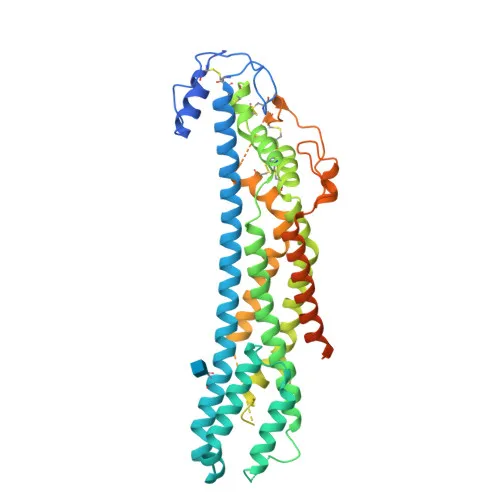
- Glypican-1 (GPC1) is a cell surface heparan sulfate proteoglycan encoded by the GPC1 gene in humans, existing in multiple isoforms due to alternative splicing.
- It functions as a co-receptor, binding via its heparan sulfate side chains to alpha-4 (V) collagen, and participates in Schwann cell myelination (By similarity).
- GPC1 may act as a catalyst in the conversion of prion protein (PrPC) to its pathogenic scrapie form (PrPSc) by facilitating their interaction in lipid rafts.
- In skeletal muscle, GPC1 sequesters FGF2 in lipid rafts, preventing FGF2 binding to FGFRs and thereby inhibiting FGF-mediated signaling, which is required for proper differentiation.
- Subcellularly, GPC1 is located at the cell membrane, anchored via a glycosylphosphatidylinositol (GPI) anchor, and is also found in endosomes and secreted into the extracellular space.
- Key structural features include a signal peptide, disulfide bonds, and binding sites for copper and zinc, reflecting its complex post-translational regulation.
Experimental Guidance and Technical Tips
- The immunogen corresponds to the C-terminal region (amino acids 290-420) of human GPC1, which may provide specific recognition of the full-length protein. For Western blotting, consider using reducing conditions and validate detection of the predicted 62 kDa band in relevant cell or tissue lysates.
- Cross-reactivity with mouse and rat is stated; however, users should verify species-specific reactivity in their experimental systems due to potential sequence variations.
- For ELISA applications, optimize coating conditions and antibody dilution using recombinant GPC1 or cell lysates; note that detection may be influenced by the heparan sulfate modification state.
- Since GPC1 is a GPI-anchored membrane protein, consider employing membrane-enriched fractions or treatment with phosphatidylinositol-specific phospholipase C (PI-PLC) to release the protein for improved detection in some assays.
CamelBio: Your One-Stop Sourcing Bridge
CamelBio serves as a comprehensive partner for diagnostic manufacturers and research laboratories, offering a streamlined supply pathway for high-quality IVD raw materials. Through validated antibody pairs, optimized polyclonal and monoclonal antibodies, and bulk ancillary reagents, we support research into glypican-1 biology and its roles in cell signaling, prion biology, and developmental processes. Our sourcing expertise extends to rare target reagents, ensuring you procure the precise tools needed from concept to clinic.
REQUEST A QUOTE
Our professional team will reply to you within one business day. Please feel free to contact us!