Polyclonal Antibodies
Anti-GPAM Polyclonal Antibody for WB, ELISA - Q9HCL2
Item Number : CM0019826
Price varies based on specs and customizations
- Application
- WB, ELISA
- Cross Reactivity
- Mouse, Rat
- Protein Weight
- 93kDa

Shipping:
Contact us to get shipping details Enjoy On-time Dispatch Guarantee.
Why Choose Us
Easy ordering process, quality products, and dedicated support for your business success.
Core Product Specifications and Parameters
| Parameter | Value |
|---|---|
| Product Name | GPAM Rabbit pAb |
| Remarks/Alias | GPAM; GPAT; GPAT1; glycerol-3-phosphate acyltransferase; mitochondrial |
| Species | Human |
| Gene ID (Human) | 57678 |
| Gene ID | 57678 |
| Immunogen | Synthetic peptide |
| Source | Rabbit |
| Category | Polyclonal Antibodies |
| Application | WB, ELISA |
| Cross Reactivity | Mouse, Rat |
| SWISS | Q9HCL2 |
| Protein Weight | 93kDa |
| Shipping | Ice bag |
Biological Background: GPAM Function and Localization
- Glycerol-3-phosphate acyltransferase 1, mitochondrial (GPAM), also known as GPAT1, is the mitochondrial isoform of glycerol-3-phosphate acyltransferase, encoded by the GPAM gene (KIAA1560).
- Catalyzes the first committed step of glycerolipid biosynthesis: esterification of an acyl group from acyl-CoA to the sn-1 position of glycerol-3-phosphate, yielding lysophosphatidic acid (LPA). Related references: PMID:18238778, PMID:19075029, PMID:36522428
- GPAM possesses a narrow hydrophobic binding cleft that selects for linear acyl chains, displaying higher catalytic activity towards substrates with 16-carbon chains. Related references: PMID:36522428
- Resides in the mitochondrial outer membrane, positioning it at a critical hub for lipid synthesis.
- Participates in key metabolic pathways including lipid biosynthesis, phospholipid biosynthesis, and phospholipid metabolism.
- Post-translational modifications such as acetylation and phosphorylation have been identified, potentially modulating enzyme activity.
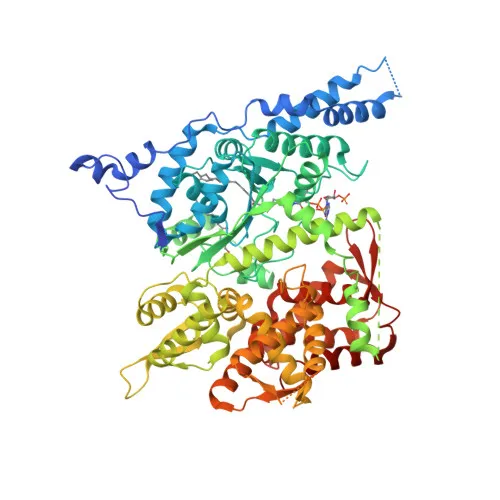
- A resolved 3D-structure provides detailed structural insights into the catalytic mechanism and substrate specificity.
Experimental Guidance and Technical Tips
- The immunogen is a synthetic peptide derived from the C‑terminal region (aa 630–730) of human GPAM; sequence alignment across species is recommended to confirm expected reactivity.
- For Western blot, the predicted molecular weight is ~93 kDa. Validate band specificity using appropriate controls in your sample system.
- In ELISA applications, optimize coating and detection conditions empirically, as polyclonal antibodies may exhibit lot‑to‑lot variation.
- Cross‑reactivity with mouse and rat GPAM has been demonstrated; verify performance in those species if required.
CamelBio: Your One-Stop Sourcing Bridge
CamelBio supports diagnostic developers and researchers with comprehensive access to IVD raw materials, including validated polyclonal antibodies like this anti‑GPAM product for lipid metabolism studies. Our sourcing network can also supply optimized monoclonal antibodies, antibody pairs, bulk ancillary reagents, and assistance in securing hard‑to‑find raw materials to accelerate your assay development and manufacturing workflows.
REQUEST A QUOTE
Our professional team will reply to you within one business day. Please feel free to contact us!