Polyclonal Antibodies
Anti-GP9 Polyclonal Antibody for WB, IHC-P, ELISA - P14770
Item Number : CM0029156
Price varies based on specs and customizations
- Application
- WB, IHC-P, ELISA
- Cross Reactivity
- Human, Mouse, Rat
- Protein Weight
- 19kDa

Shipping:
Contact us to get shipping details Enjoy On-time Dispatch Guarantee.
Why Choose Us
Easy ordering process, quality products, and dedicated support for your business success.
Core Product Specifications and Parameters
| Parameter | Value |
|---|---|
| Product Name | GP9 Rabbit pAb |
| Remarks/Alias | GPIX; CD42a; GP9 |
| Species | Human |
| Gene ID | 2815 |
| Immunogen | Recombinant fusion protein containing a sequence corresponding to amino acids 17-147 of human GP9 (NP_000165.1) |
| Source | Rabbit |
| Category | Polyclonal Antibodies |
| Application | WB, IHC-P, ELISA |
| Cross Reactivity | Human, Mouse, Rat |
| SWISS | P14770 |
| Protein Weight | 19kDa |
| Shipping | Ice bag |
Biological Background: GP9 Function and Localization
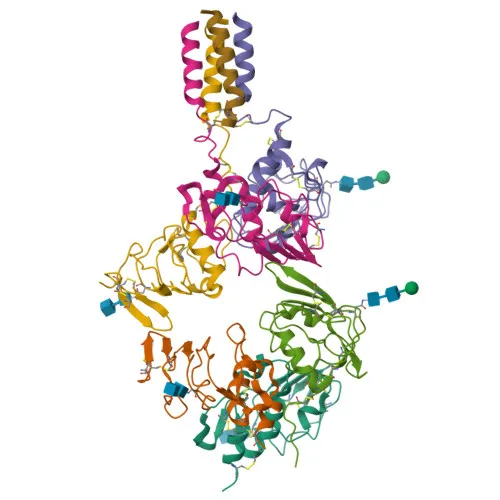
- Platelet glycoprotein IX (GP9), also designated GPIX or CD42a, is a membrane glycoprotein and an essential subunit of the GPIb-V-IX receptor complex on the platelet surface.
- The GPIb-V-IX complex functions as the primary receptor for von Willebrand factor (vWF), mediating vWF-dependent platelet adhesion to exposed subendothelium at sites of vascular injury—a critical initiating step in hemostasis.
- GP9 is thought to facilitate proper membrane insertion and orientation of the GPIb subunit within the complex, thereby supporting overall receptor stability and function.
- It belongs to the leucine-rich repeat (LRR) protein family, characterized by tandem LRR motifs that often mediate protein-protein interactions.
- GP9 is a transmembrane protein localized to the plasma membrane; its single-pass transmembrane domain anchors the complex in the platelet membrane.
- Post-translational modifications include N-linked glycosylation (as a glycoprotein) and the formation of at least one disulfide bond, contributing to structural integrity.
- Mutations in the GP9 gene are associated with Bernard-Soulier syndrome (BSS), an autosomal recessive bleeding disorder characterized by macrothrombocytopenia and defective platelet adhesion.
- The protein participates in key biological processes such as blood coagulation, cell adhesion, and hemostasis, as highlighted by UniProt keywords.
Experimental Guidance and Technical Tips
- The immunogen encompasses the extracellular domain (amino acids 17-147); the antibody may recognize both native and denatured GP9. For WB, consider testing under reducing and non-reducing conditions.
- For IHC-P, target tissues rich in platelets or megakaryocytes (e.g., bone marrow, spleen) may show positive staining. Always include appropriate negative and positive controls.
- Cross-reactivity with mouse and rat GP9 is reported; verify epitope conservation by sequence alignment if using in vivo models.
- For ELISA, the recombinant protein fragment (aa 17-147) can serve as a positive control to assess antibody binding activity.
CamelBio: Your One-Stop Sourcing Bridge
CamelBio serves as a comprehensive sourcing partner for IVD raw materials, connecting diagnostic manufacturers and laboratories with high-quality antibodies like this anti-GP9 polyclonal antibody. Beyond individual research reagents, we offer a broad portfolio of validated antibody pairs, optimized monoclonal and polyclonal antibodies, bulk ancillary reagents, and specialized raw-material sourcing for rare targets in platelet biology, hemostasis, and cardiovascular research. Let us streamline your supply chain from concept to clinic.
REQUEST A QUOTE
Our professional team will reply to you within one business day. Please feel free to contact us!