Polyclonal Antibodies
Anti-GOLPH2/GP73 Rabbit Polyclonal Antibody for WB - Q8NBJ4
Item Number : CM0027488
Price varies based on specs and customizations
- Application
- WB, IHC-P, IF/ICC, ELISA
- Cross Reactivity
- Human, Mouse, Rat
- Protein Weight
- 45kDa

Shipping:
Contact us to get shipping details Enjoy On-time Dispatch Guarantee.
Why Choose Us
Easy ordering process, quality products, and dedicated support for your business success.
Core Product Specifications and Parameters
| Parameter | Value |
|---|---|
| Product Name | GOLPH2 Rabbit pAb |
| Remarks/Alias | GP73; HEL46; GOLPH2; C9orf155; PSEC0257; bA379P1.3 |
| Species | Human |
| Gene ID (Human) | 51280 |
| Immunogen | Recombinant fusion protein containing a sequence corresponding to amino acids 112-401 of human GOLPH2 (NP_057632.2). |
| Source | Rabbit |
| Category | Polyclonal Antibodies |
| Application | WB, IHC-P, IF/ICC, ELISA |
| Cross Reactivity | Human, Mouse, Rat |
| SWISS | Q8NBJ4 |
| Protein Weight | 45kDa |
| Shipping | Ice bag |
Biological Background: GOLPH2/GP73 Function and Localization
- GOLPH2, also known as GP73 or Golgi membrane protein 1, is a 400-amino acid protein encoded by the GOLM1 gene (C9orf155) in humans. It is predicted to have a molecular weight of ~45 kDa.
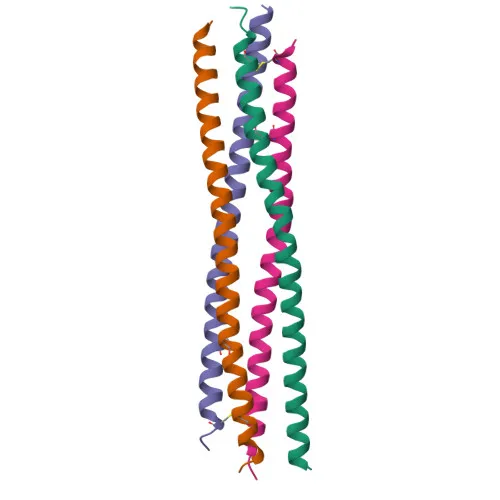
- The protein is a type II Golgi membrane protein with a single transmembrane domain near the N-terminus and a large lumenal C-terminal domain, featuring coiled-coil regions and multiple predicted glycosylation and phosphorylation sites.
- GOLPH2 localizes to the cis-Golgi network membrane and is involved in maintaining Golgi structure and trafficking.
- Its expression is widespread, with high levels in the colon, prostate, trachea, and stomach. In normal liver, hepatocytes express very low levels, whereas biliary epithelial cells constitutively express GOLPH2.
- GOLPH2 is significantly upregulated in hepatocytes during viral hepatitis (HBV, HCV) infection and in advanced liver disease, including adult giant-cell hepatitis, but not in non-viral liver diseases. It serves as a potential serum marker for hepatocellular carcinoma.
- Post-translational modifications include acetylation and phosphorylation, which may regulate its function and subcellular distribution.
- The protein is also implicated in the cellular response to viral infection, although its precise molecular function remains unknown.
Experimental Guidance and Technical Tips
- The immunogen is a recombinant protein encompassing amino acids 112-401 of human GOLPH2, covering the lumenal domain. This region is relatively conserved among human, mouse, and rat, supporting the reported cross-reactivity.
- For Western blot, GOLPH2 typically migrates at ~45 kDa. Use appropriate loading controls and validate band specificity with knockout or siRNA-treated samples if available.
- For IHC-P and IF/ICC, consider antigen retrieval methods (e.g., citrate buffer) and optimize antibody dilution. Expected staining is perinuclear/Golgi-like.
- In ELISA, the antibody can be used as a capture or detection reagent in sandwich immunoassays for GOLPH2 measurement; pairing with another clone recognizing a different epitope may improve sensitivity.
- Always include positive (e.g., HepG2, colon tissues) and negative controls (e.g., non-viral liver disease samples) to confirm specificity, especially when studying liver pathologies.
CamelBio: Your One-Stop Sourcing Bridge
CamelBio supports diagnostic manufacturers, laboratories, and research institutes with comprehensive IVD raw-material solutions. This anti-GOLPH2/GP73 rabbit polyclonal antibody is part of our extensive portfolio for liver disease marker research and assay development. Beyond individual antibodies, we provide validated antibody pairs, bulk recombinant proteins, and ancillary reagents to streamline your IVD kit production from concept to clinic.
REQUEST A QUOTE
Our professional team will reply to you within one business day. Please feel free to contact us!