Monoclonal Antibodies
Anti-GOLPH2 Rabbit Monoclonal Antibody for WB, ELISA - Q8NBJ4
Item Number : CM0002929
Price varies based on specs and customizations
- Application
- WB, ELISA
- Cross Reactivity
- Human, Mouse
- Protein Weight
- 45 kDa

Shipping:
Contact us to get shipping details Enjoy On-time Dispatch Guarantee.
Why Choose Us
Easy ordering process, quality products, and dedicated support for your business success.
Core Product Specifications and Parameters
| Parameter | Value |
|---|---|
| Product Name | GOLPH2 Rabbit mAb |
| Remarks/Alias | GP73; HEL46; GOLPH2; C9orf155; PSEC0257; bA379P1.3 |
| Species | Human |
| GeneID (human) | 51280 |
| GeneID | 51280 |
| Immunogen | A synthetic peptide corresponding to a sequence within amino acids 250-350 of human GOLPH2 (Q8NBJ4). |
| Source | Rabbit |
| Category | Monoclonal Antibodies |
| Application | WB, ELISA |
| Cross Reactivity | Human, Mouse |
| SWISS | Q8NBJ4 |
| Protein Weight | 45 kDa |
| Shipping | Ice bag |
Biological Background: GOLPH2 Function and Localization
- Encoded by the GOLM1 gene, GOLPH2 (also known as GP73 or Golgi phosphoprotein 2) is a 45 kDa type II transmembrane protein localized primarily to the cis-Golgi network membrane.
- GOLPH2 is widely expressed, with highest levels in colon, prostate, trachea, and stomach; it is predominantly found in epithelial cells and is constitutively expressed in biliary epithelial cells but not in normal hepatocytes.
- Expression is dramatically upregulated in hepatocytes during viral hepatitis (HBV, HCV) and other advanced liver diseases, but not in non‑viral liver conditions such as alcohol‑induced or autoimmune hepatitis, suggesting a role in viral response.
- Cellular function remains poorly defined, though GOLPH2 is induced as part of the host response to viral infection and may participate in Golgi‑related stress or secretory pathways.
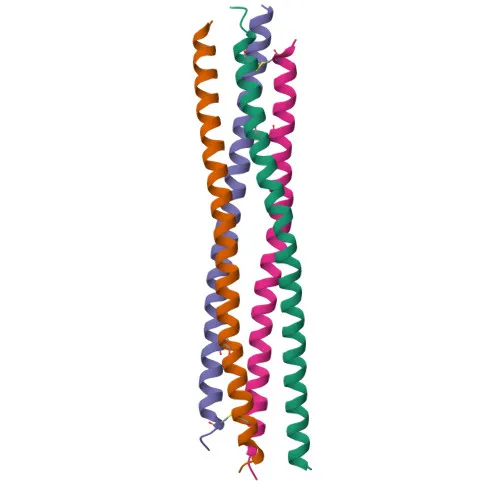
- The protein contains a signal‑anchor transmembrane domain and a coiled‑coil region, and undergoes post‑translational modifications including phosphorylation, acetylation, and N‑linked glycosylation.
- Alternative initiation gives rise to multiple isoforms, and the protein has been implicated as a serum biomarker for hepatocellular carcinoma and liver fibrosis.
Experimental Guidance and Technical Tips
- The immunogen (synthetic peptide corresponding to residues 250‑350) targets the C‑terminal region; the antibody is expected to detect full‑length GOLPH2 in denaturing Western blots.
- For WB, validate performance using hepatocyte‑derived cell lines (e.g., HepG2) or transfected cells, and consider titrating the antibody to determine an optimal working dilution.
- For ELISA, the antibody can be used as a detection reagent; pairing with a suitable capture antibody is recommended if developing a sandwich assay.
- The reported cross‑reactivity with mouse makes this antibody suitable for translational studies using mouse models, but independent validation in the relevant species and tissue is advised.
CamelBio: Your One‑Stop Sourcing Bridge
CamelBio provides diagnostic manufacturers and researchers with one‑stop access to IVD raw materials and technical support, covering every stage from concept to clinic. For GOLPH2‑related biomarker programs, we supply validated monoclonal antibodies, matched antigen‑antibody pairs, and bulk ancillary reagents, and can assist with sourcing rare‑target materials. Whether you are developing liver disease diagnostics or studying Golgi biology, our integrated supply chain helps accelerate your product development.
REQUEST A QUOTE
Our professional team will reply to you within one business day. Please feel free to contact us!