Polyclonal Antibodies
Anti-GNAZ Polyclonal Antibody for WB, ELISA - P19086
Item Number : CM0017732
Price varies based on specs and customizations
- Application
- WB, ELISA
- Cross Reactivity
- Human, Mouse, Rat
- Protein Weight
- 41kDa

Shipping:
Contact us to get shipping details Enjoy On-time Dispatch Guarantee.
Why Choose Us
Easy ordering process, quality products, and dedicated support for your business success.
Core Product Specifications and Parameters
| Parameter | Value |
|---|---|
| Product Name | GNAZ Rabbit pAb |
| Remarks/Alias | HG1H; gz-alpha; GNAZ |
| Species | Human |
| GeneID (Human) | 2781 |
| GeneID | 2781 |
| Immunogen | A synthetic peptide corresponding to a sequence within amino acids 250-350 of human GNAZ (NP_002064.1). |
| Source | Rabbit |
| Category | Polyclonal Antibodies |
| Application | WB, ELISA |
| Cross Reactivity | Human, Mouse, Rat |
| SWISS | P19086 |
| Protein Weight | 41kDa |
| Shipping | Ice bag |
Biological Background: GNAZ Function and Localization
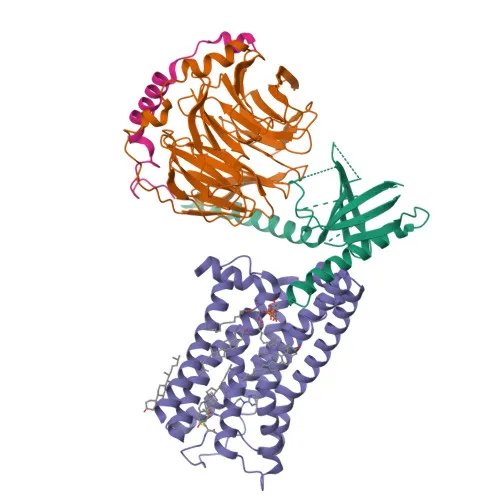
- GNAZ encodes the alpha subunit of the heterotrimeric guanine nucleotide-binding protein G(z), also referred to as G(x) alpha chain or Gz-alpha. It functions as a modulator or transducer in various transmembrane signaling systems.
- G(z) alpha belongs to the G protein alpha subunit family, which includes Gs, Gi, Gq, and other members, each mediating distinct receptor-effector pathways.
- The protein acts as a molecular switch by cycling between GDP-bound (inactive) and GTP-bound (active) states, requiring magnesium as a cofactor for nucleotide binding and GTPase activity.
- Subcellularly, GNAZ localizes to the cytoplasmic side of the plasma membrane, anchored by lipid modifications such as myristoylation and palmitoylation. These modifications are critical for membrane targeting and signal transduction.
- Post-translational modifications include ADP-ribosylation, which can modulate its activity. Additional structural features involve a GTP-binding domain and metal-binding sites.
- The calculated molecular weight of the GNAZ protein is approximately 40.9 kDa, consistent with the observed band around 41 kDa in Western blotting.
- Although tissue expression details are not fully enumerated in the current record, GNAZ is known to be prominently expressed in neuronal tissues and certain other cell types.
Experimental Guidance and Technical Tips
- The immunogen was designed against a peptide within amino acids 250-350 of human GNAZ, suggesting that the antibody likely recognizes the native and denatured full-length protein. Consider including appropriate peptide blocking controls to confirm specificity.
- For Western blotting, a band migrating near 41 kDa is typically observed. Validate detection in the relevant sample system (human, mouse, or rat) and optimize loading amounts and antibody dilutions empirically.
- In ELISA applications, the synthetic peptide immunogen can serve as a useful positive control to assess antibody binding and titer.
- When working with membrane-associated targets, ensure that lysis buffers are compatible with efficient extraction (e.g., using detergents) and that samples are not boiled excessively to avoid aggregation.
CamelBio: Your One-Stop Sourcing Bridge
CamelBio supplies high-quality IVD raw materials and technical support for diagnostic and research communities, covering the full development pipeline. This anti-GNAZ polyclonal antibody targets a key signaling protein and is available alongside validated antibody pairs, optimized monoclonal/polyclonal options, bulk ancillary reagents, and custom sourcing for rare targets. Let us streamline your procurement and accelerate your assay development with reliable one-stop solutions.
REQUEST A QUOTE
Our professional team will reply to you within one business day. Please feel free to contact us!