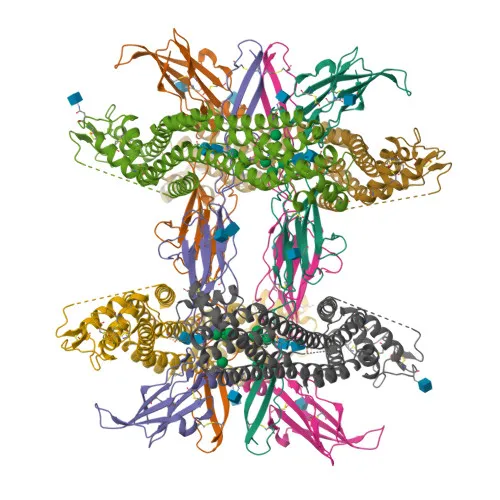
Polyclonal Antibodies
Anti-Glypican 3 (GPC3) Polyclonal Antibody for WB, FC, ELISA - P51654
Item Number : CM0019017
Price varies based on specs and customizations
- Application
- WB, FC, ELISA
- Cross Reactivity
- Human, Mouse, Rat
- Protein Weight
- 66kDa

Shipping:
Contact us to get shipping details Enjoy On-time Dispatch Guarantee.
Why Choose Us
Easy ordering process, quality products, and dedicated support for your business success.
Core Product Specifications and Parameters
| Parameter | Specification |
|---|---|
| Product Name | Glypican 3 (GPC3) Rabbit pAb |
| Remarks/Alias | SGB; DGSX; MXR7; SDYS; SGBS; OCI-5; SGBS1; GTR2-2; Glypican 3 (GPC3) |
| Species | Human |
| GeneID (Human) | 2719 |
| GeneID | 2719 |
| Immunogen | Synthetic peptide |
| Source | Rabbit |
| Category | Polyclonal Antibodies |
| Application | WB, FC, ELISA |
| Cross Reactivity | Human, Mouse, Rat |
| SWISS | P51654 |
| Protein Weight | 66kDa |
| Shipping | Ice bag |
Biological Background: Glypican-3 Function and Localization
- Glypican-3 (GPC3) is a cell surface proteoglycan attached to the membrane via a glycosylphosphatidylinositol (GPI) anchor. Related references: PMID:14610063
- It negatively regulates the hedgehog signaling pathway by competing with the receptor PTC1 for hedgehog proteins, triggering endocytosis and lysosomal degradation of the complex.
- GPC3 positively regulates the canonical Wnt pathway by binding to Frizzled receptors and enhancing their interaction with Wnt ligands. Related references: PMID:16227623, PMID:24496449
- It also positively regulates non-canonical Wnt signaling and binds CD81, which modulates transcriptional repression by HHEX.
- GPC3 inhibits the dipeptidyl peptidase activity of DPP4. Related references: PMID:17549790
- The protein plays essential roles in embryonic development, including limb patterning, skeletal development, renal branching morphogenesis, coronary vascular formation, and gastrulation.
- GPC3 contains heparan sulfate chains and undergoes alternative splicing; it is classified as a glycoprotein with disulfide bonds and a pyrrolidone carboxylic acid modification.
- Tissue expression is highest in lung, liver, and kidney, with protein detected in placenta. Related references: PMID:32337544
Experimental Guidance and Technical Tips
- The immunogen is a synthetic peptide within the C-terminal region (aa 481–580), suggesting that the antibody primarily recognizes linear epitopes, making it well‑suited for denaturing Western blot (WB) detection.
- In WB, a band near 66 kDa is expected for GPC3; however, glycosylation and other modifications may shift the apparent molecular weight. Validate with appropriate positive controls.
- For flow cytometry (FC), ensure cell surface expression of GPC3, as the epitope may be accessible on intact cells; permeabilization may be required for intracellular detection.
- The antibody cross‑reacts with mouse and rat GPC3, allowing use in rodent model systems. Consider verifying reactivity in your specific experimental context.
- ELISA performance can be optimized using the immunogen peptide or recombinant GPC3 fragments; titrate antibody concentration for best signal-to-noise ratio.
CamelBio: Your One-Stop Sourcing Bridge
CamelBio offers diagnostic manufacturers and research labs seamless access to IVD raw materials, from validated monoclonal and polyclonal antibodies to bulk ancillary reagents and rare‑target sourcing. This Glypican‑3 polyclonal antibody supports oncology and developmental biology projects, and our team can assist with customized antibody pairs and technical support to move your assay from concept to clinic.
Product Datasheet
Anti-Glypican 3 (GPC3) Polyclonal Antibody for WB, FC, ELISA - P51654
REQUEST A QUOTE
Our professional team will reply to you within one business day. Please feel free to contact us!