Polyclonal Antibodies
Anti-Glycophorin A (GYPA) Rabbit Polyclonal Antibody for WB and ELISA - P02724
Item Number : CM0021151
Price varies based on specs and customizations
- Application
- WB, ELISA
- Cross Reactivity
- Human
- Protein Weight
- 16kDa

Shipping:
Contact us to get shipping details Enjoy On-time Dispatch Guarantee.
Why Choose Us
Easy ordering process, quality products, and dedicated support for your business success.
Core Product Specifications and Parameters
| Parameter | Details |
|---|---|
| Product Name | GYPA Rabbit pAb |
| Remarks/Alias | MN; GPA; MNS; GPSAT; PAS-2; CD235a; GPErik; HGpMiV; HGpMiXI; HGpSta(C); GYPA |
| Species | Human |
| GeneID (Human) | 2993 |
| GeneID | 2993 |
| Immunogen | Recombinant fusion protein containing a sequence corresponding to amino acids 20-91 of human GYPA (P02724). |
| Source | Rabbit |
| Category | Polyclonal Antibodies |
| Application | WB, ELISA |
| Cross Reactivity | Human |
| SWISS | P02724 |
| Protein Weight | 16kDa |
| Shipping | Ice bag |
Biological Background: Glycophorin A Function and Localization
- Glycophorin A (GYPA) is a major intrinsic membrane protein of erythrocytes, also known as MN sialoglycoprotein, PAS-2, and CD235a. It carries the MN blood group antigens on its extracellular N-terminal glycosylated segment.
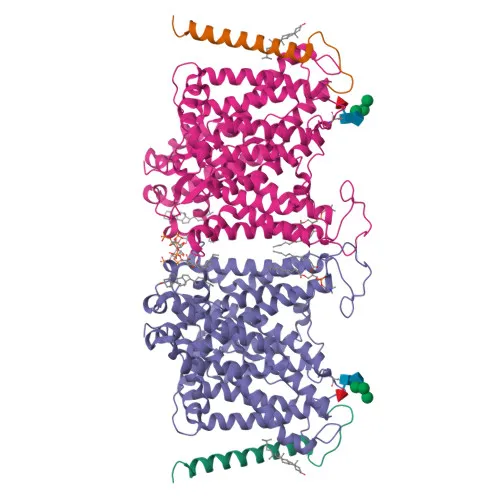
- As a component of the ankyrin-1 complex, GYPA contributes to the stability and shape of the erythrocyte membrane. This multiprotein complex is essential for maintaining red blood cell integrity. Related references: PMID:35835865
- GYPA interacts with SLC4A1 (band 3 anion exchanger) and is required for its high activity, potentially facilitating SLC4A1 translocation to the plasma membrane.
- The protein serves as a receptor for microbial pathogens: it mediates entry of Hepatitis A virus (HAV) and is the receptor for Plasmodium falciparum erythrocyte-binding antigen 175 (EBA-175) through sialic acid-dependent binding.
- GYPA is localized to the cell membrane, consistent with its role as a transmembrane glycoprotein. Post-translational modifications include phosphorylation and extensive O-linked glycosylation.
- Alternative splicing produces multiple isoforms, and the heavily glycosylated extracellular domain is critical for blood group specificity and pathogen interactions.
Experimental Guidance and Technical Tips
- The immunogen (aa 20–91) corresponds to the N-terminal extracellular region of GYPA. The resulting antibody may preferentially recognize epitopes within this glycosylated domain; consider evaluating reactivity against deglycosylated samples if altered migration is observed in WB.
- Predicted molecular weight is approximately 16 kDa based on amino acid sequence, but the mature glycoprotein often migrates higher (e.g., 25–40 kDa) due to extensive glycosylation. Use appropriate gel percentages and loading controls for accurate size estimation.
- For WB, we recommend initial dilutions of 1:500–1:2000 and validation in human erythrocyte lysates or GYPA-overexpressing cell lines. For ELISA, test coating antigen concentrations and validate with known positive and negative sera.
CamelBio: Your One-Stop Sourcing Bridge
CamelBio is a dedicated IVD raw material partner, providing diagnostic manufacturers and research laboratories with reliable access to premium antibodies, antigens, and ancillary reagents. This anti-GYPA polyclonal antibody supports applications in erythrocyte biology, blood group serology, and infectious disease receptor research. Beyond single products, we offer validated antibody pairs, optimized monoclonal/polyclonal antibodies, bulk custom orders, and rare-target sourcing to streamline your assay development from concept to clinical validation.
Product Datasheet
Anti-Glycophorin A (GYPA) Rabbit Polyclonal Antibody for WB and ELISA - P02724
REQUEST A QUOTE
Our professional team will reply to you within one business day. Please feel free to contact us!