Polyclonal Antibodies
Anti-Glutamine Synthetase (GLUL) Polyclonal Antibody for WB, IHC-P, IF/ICC, ELISA - P15104
Item Number : CM0026682
Price varies based on specs and customizations
- Application
- WB, IHC-P, IF/ICC, ELISA
- Cross Reactivity
- Human, Mouse, Rat
- Protein Weight
- 42kDa

Shipping:
Contact us to get shipping details Enjoy On-time Dispatch Guarantee.
Why Choose Us
Easy ordering process, quality products, and dedicated support for your business success.
Core Product Specifications and Parameters
| Parameter | Value |
|---|---|
| Product Name | Glutamine Synthetase (GLUL) Rabbit pAb |
| Remarks/Alias | GS; GLNS; PIG43; PIG59; L) |
| Species | Human |
| GeneID (Human) | 2752 |
| GeneID | 2752 |
| Immunogen | Recombinant protein|Recombinant fusion protein containing a sequence corresponding to amino acids 1-373 of human Glutamine Synthetase (GLUL) (NP_002056.2). |
| Source | Rabbit |
| Category | Polyclonal Antibodies |
| Application | WB, IHC-P, IF/ICC, ELISA |
| Cross Reactivity | Human, Mouse, Rat |
| SWISS | P15104 |
| Protein Weight | 42kDa |
| Shipping | Ice bag |
Biological Background: Glutamine Synthetase (GLUL) Function and Localization
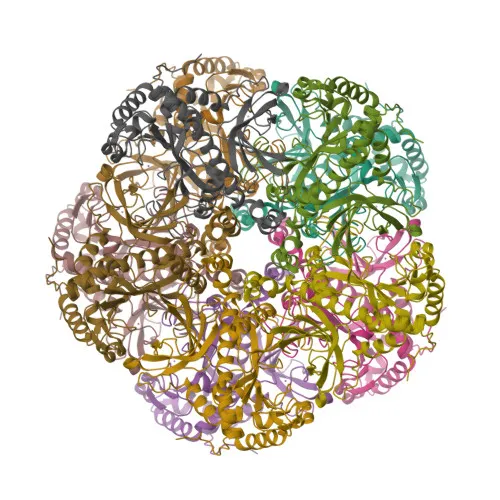
- Glutamine synthetase (GS), also known as glutamate-ammonia ligase or palmitoyltransferase GLUL (aliases: GS, GLNS, PIG43, PIG59), is a key enzyme in nitrogen metabolism that catalyzes the ATP-dependent conversion of glutamate and ammonia into glutamine (PubMed:16267323, PubMed:30158707, PubMed:36289327). Related references: PMID:16267323 PMID:30158707 PMID:36289327
- In the brain, GLUL plays a critical role in detoxifying ammonia and converting neurotoxic glutamate to inert glutamine, while in the liver, it participates in systemic ammonia clearance (By similarity).
- The enzyme is essential for proliferation of fetal skin fibroblasts (PubMed:18662667) and contributes to ribosomal 40S subunit biogenesis (PubMed:26711351). Related references: PMID:18662667 PMID:26711351
- GLUL exhibits non-canonical functions: it acts as a palmitoyltransferase for the GTPase RHOJ, facilitating its membrane localization and activation, which is required for endothelial cell migration and angiogenesis (PubMed:30158707). Related references: PMID:30158707
- Through interaction with BEST2, GLUL modulates BEST2 channel activity: it inhibits channel gating in the absence of intracellular L-glutamate but sensitizes BEST2 to glutamate, which promotes channel opening (PubMed:36289327). Related references: PMID:36289327
- The enzyme localizes to multiple subcellular compartments including the cytosol, microsomes, mitochondria, and cell membrane (UniProt).
- GLUL is expressed in endothelial cells and is regulated by acetylation, phosphorylation, and ubiquitination; it binds ATP, magnesium, and manganese as cofactors (UniProt).
- During erythropoiesis, GLUL detoxifies ammonium generated by porphobilinogen deaminase during heme biosynthesis, preventing oxidative stress (By similarity).
Experimental Guidance and Technical Tips
- Given the recombinant immunogen spanning nearly full-length GLUL, the polyclonal antibody is expected to detect both native and denatured protein across multiple applications.
- For Western blot (WB), anticipate a single band at approximately 42 kDa; consider using a positive control lysate from human, mouse, or rat liver or brain tissue.
- In immunohistochemistry (IHC-P), optimize antigen retrieval conditions and validate with appropriate tissue controls (e.g., human liver sections) due to variable protein abundance across sample types.
- For immunofluorescence (IF/ICC), co-localization studies with markers for cytosol, mitochondria, or cell membrane may be informative given the enzyme's diverse subcellular localization.
- As a polyclonal reagent, lot-to-lot consistency may vary; perform internal validation with known positive and negative cell lines to confirm specificity.
CamelBio: Your One-Stop Sourcing Bridge
CamelBio provides diagnostic manufacturers, labs, and research institutes with one-stop access to IVD raw materials, technical services, and consulting—covering every stage from concept to clinic. Our anti-GLUL polyclonal antibody supports research into glutamine metabolism, ammonia detoxification, and angiogenesis. Complement this with our validated antibody pairs, optimized monoclonal/polyclonal antibodies, and bulk ancillary reagents to streamline your assay development and procurement.
Product Datasheet
Anti-Glutamine Synthetase (GLUL) Polyclonal Antibody for WB, IHC-P, IF/ICC, ELISA - P15104
REQUEST A QUOTE
Our professional team will reply to you within one business day. Please feel free to contact us!