Polyclonal Antibodies
Anti-Glutaminase (GLS) Rabbit Polyclonal Antibody for WB, IF/ICC, ELISA - O94925
Item Number : CM0028994
Price varies based on specs and customizations
- Application
- WB, IF/ICC, ELISA
- Cross Reactivity
- Human, Mouse, Rat
- Protein Weight
- 73kDa

Shipping:
Contact us to get shipping details Enjoy On-time Dispatch Guarantee.
Why Choose Us
Easy ordering process, quality products, and dedicated support for your business success.
Core Product Specifications and Parameters
| Parameter | Value |
|---|---|
| Product Name | Glutaminase (GLS) Rabbit pAb |
| Remarks/Alias | GAC; GAM; KGA; GLS1; AAD20; DEE71; GDPAG; CASGID; EIEE71; Glutaminase (GLS) |
| Species | Human |
| GeneID (Human) | 2744 |
| GeneID | 2744 |
| Immunogen | Recombinant protein |
| Source | Rabbit |
| Category | Polyclonal Antibodies |
| Application | WB, IF/ICC, ELISA |
| Cross Reactivity | Human, Mouse, Rat |
| SWISS | O94925 |
| Protein Weight | 73kDa |
| Shipping | Ice bag |
Biological Background: Glutaminase (GLS) Function and Localization
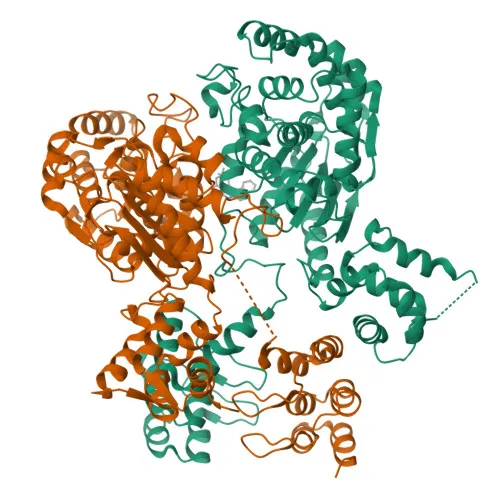
- Glutaminase kidney isoform, mitochondrial (UniProt O94925), also known as K-glutaminase or L-glutamine amidohydrolase, is encoded by the GLS gene (also GLS1, KIAA0838).
- It catalyzes the first reaction in the primary pathway for renal catabolism of glutamine, playing a crucial role in maintaining acid-base homeostasis and regulating levels of the neurotransmitter glutamate in the brain. Related references: PMID:30239721, PMID:30575854, PMID:30970188
- The enzyme exists as multiple isoforms due to alternative splicing; isoform 1 and 3 are detected in brain cortex, while isoform 3 is highly expressed in certain tumors (astrocytoma, ganglioglioma, ependymoma), and isoform 2 is found in cardiac and skeletal muscle.
- Subcellularly, GLS localizes to the mitochondrion (matrix) and cytoplasm/cytosol, consistent with its role in glutamine metabolism within the mitochondrial compartment.
- Post-translational modifications include acetylation and phosphorylation, and the protein features ANK repeats; it is associated with disease variants linked to epilepsy and cataract.
- Keywords from UniProt: Hydrolase, Mitochondrion, Transit peptide, Alternative splicing, Disease variant, Epilepsy.
Experimental Guidance and Technical Tips
- The immunogen corresponds to a C-terminal region (amino acids 610-669) of human Glutaminase (GLS), suggesting the antibody may recognize all isoforms containing this sequence; however, isoform-specific detection should be validated in the relevant sample system.
- For WB, consider using extracts from tissues with high GLS expression (e.g., kidney, brain) and appropriate loading controls; the predicted molecular weight is ~73 kDa (UniProt: 73461 Da).
- In IF/ICC, verify mitochondrial localization with organelle markers and optimize fixation/permeabilization conditions for the specific cell type being studied.
- ELISA performance may vary; consider testing serial dilutions of the antibody against the recombinant immunogen or native protein to establish optimal working concentrations.
CamelBio: Your One-Stop Sourcing Bridge
CamelBio provides diagnostic and research communities with streamlined access to high-quality IVD raw materials. For Glutaminase (GLS) and related metabolic targets, we offer validated polyclonal and monoclonal antibodies, bulk ancillary reagents, and custom sourcing solutions—backed by technical support from concept to clinic. Partner with us to accelerate your assay development in neurotransmitter and cancer metabolism research.
Product Datasheet
Anti-Glutaminase (GLS) Rabbit Polyclonal Antibody for WB, IF/ICC, ELISA - O94925
REQUEST A QUOTE
Our professional team will reply to you within one business day. Please feel free to contact us!