Polyclonal Antibodies
Anti-GLUT4 Rabbit Polyclonal Antibody for WB, IF/ICC, IF-P, IHC-P, ELISA - P14672
Item Number : CM0026099
Price varies based on specs and customizations
- Application
- WB, IF/ICC, IF-P, IHC-P, ELISA
- Cross Reactivity
- Human, Mouse, Rat
- Protein Weight
- 55kDa

Shipping:
Contact us to get shipping details Enjoy On-time Dispatch Guarantee.
Why Choose Us
Easy ordering process, quality products, and dedicated support for your business success.
Core Product Specifications and Parameters
| Parameter | Value |
|---|---|
| Product Name | GLUT4 Rabbit pAb |
| Remarks/Alias | GLUT4 |
| Species | Human |
| GeneID (Human) | 6517 |
| GeneID | 6517 |
| Immunogen | Synthetic peptide|A synthetic peptide corresponding to a sequence within amino acids 450-509 of human GLUT4 (NP_001033.1). |
| Source | Rabbit |
| Category | Polyclonal Antibodies |
| Application | WB, IF/ICC, IF-P, IHC-P, ELISA |
| Cross Reactivity | Human, Mouse, Rat |
| SWISS | P14672 |
| Protein Weight | 55kDa |
| Shipping | Ice bag |
Biological Background: GLUT4 Function and Localization
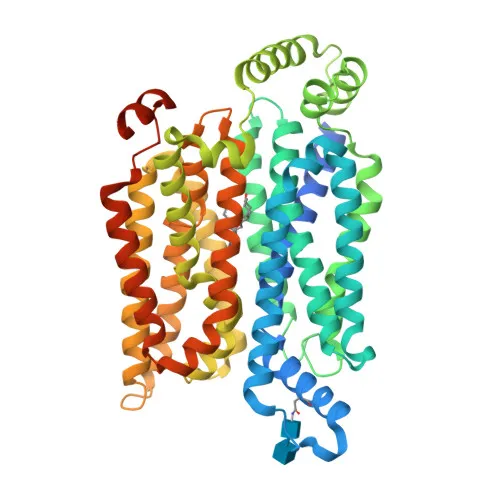
- GLUT4, encoded by the SLC2A4 gene, is a member of the solute carrier family 2 (facilitated glucose transporter). It is also known as insulin-responsive glucose transporter type 4.
- It functions as an insulin-regulated facilitative glucose transporter, critical for glucose uptake from the blood into muscle and adipose tissue.
- In the basal state, GLUT4 is retained intracellularly in storage compartments; upon insulin stimulation, it translocates to the cell membrane to facilitate glucose influx.
- Subcellular localization dynamically cycles between intracellular perinuclear/endomembrane compartments and the cell surface, dependent on insulin signaling.
- Highly expressed in insulin-sensitive tissues, including skeletal muscle, cardiac muscle, and brown and white adipose tissue.
- Post-translational modifications include phosphorylation, palmitoylation, and ubiquitination; these regulate trafficking and stability. Alterations in GLUT4 function are associated with diabetes mellitus and insulin resistance.
Experimental Guidance and Technical Tips
- The immunogen is a synthetic peptide corresponding to amino acids 450–509 within the C-terminal region of human GLUT4. This polyclonal antibody may recognize multiple splice variants if expressed.
- For Western blotting, a band of approximately 55 kDa is expected. Validate in human, mouse, or rat lysates.
- In immunofluorescence (IF/ICC, IF-P), monitor translocation from intracellular compartments to the cell membrane upon insulin stimulation in appropriate cell lines or tissue sections.
- For immunohistochemistry (IHC-P), optimize antigen retrieval and detection conditions using skeletal or cardiac muscle or adipose tissue sections.
- ELISA applications may require optimization of coating antigen and detection method; consider paired antibody strategies for sandwich assays.
- As a rabbit polyclonal antibody, lot-to-lot consistency should be verified for critical quantitative assays.
CamelBio: Your One-Stop Sourcing Bridge
CamelBio provides diagnostic manufacturers, labs, and research institutes with one-stop access to IVD raw materials, technical services, and consulting—covering every stage from concept to clinic. For glucose metabolism and diabetes research, CamelBio offers validated antibody pairs, optimized monoclonal/polyclonal antibodies like this anti-GLUT4 antibody, bulk ancillary reagents, and sourcing of rare targets to support your assay development and clinical translation.
Product Datasheet
Anti-GLUT4 Rabbit Polyclonal Antibody for WB, IF/ICC, IF-P, IHC-P, ELISA - P14672
REQUEST A QUOTE
Our professional team will reply to you within one business day. Please feel free to contact us!