Monoclonal Antibodies
Anti-GLUT1/SLC2A1 Rabbit Monoclonal Antibody for IF, IHC-P, ELISA - P11166
Item Number : CM0003197
Price varies based on specs and customizations
- Application
- IF-P, IHC-P, ELISA
- Cross Reactivity
- Human, Mouse, Rat
- Protein Weight
- 54kDa

Shipping:
Contact us to get shipping details Enjoy On-time Dispatch Guarantee.
Why Choose Us
Easy ordering process, quality products, and dedicated support for your business success.
Core Product Specifications and Parameters
| Parameter | Specification |
|---|---|
| Product Name | GLUT1/SLC2A1 Rabbit mAb |
| Remarks/Alias | CSE; PED; DYT9; GLUT; DYT17; DYT18; EIG12; GLUT1; HTLVR; GLUT-1; SDCHCN; GLUT1DS; GLUT1/SLC2A1 |
| Species | Human |
| GeneID (Human) | 6513 |
| GeneID | 6513 |
| Immunogen | Synthetic Peptide |
| Source | Rabbit |
| Category | Monoclonal Antibodies |
| Application | IF-P, IHC-P, ELISA |
| Cross Reactivity | Human, Mouse, Rat |
| SWISS | P11166 |
| Protein Weight | 54kDa |
| Shipping | Ice bag |
Biological Background: GLUT1/SLC2A1 Function and Localization
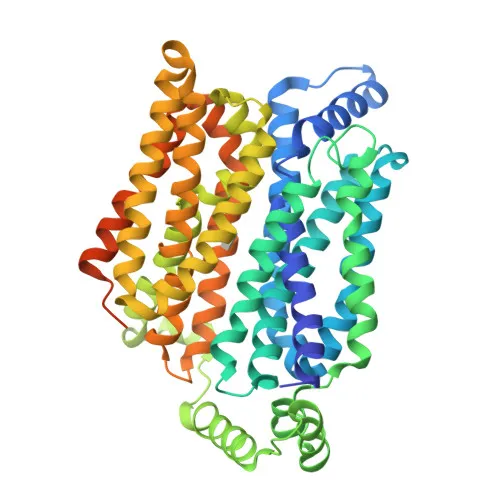
- GLUT1 (Solute carrier family 2, facilitated glucose transporter member 1) is also known as Glucose transporter type 1, erythrocyte/brain, and HepG2 glucose transporter. It is encoded by the SLC2A1 gene.
- GLUT1 is a facilitative glucose transporter responsible for constitutive or basal glucose uptake, critical for maintenance of cellular energy homeostasis. Related references: PMID:10227690 PMID:10954735 PMID:18245775
- It exhibits broad substrate specificity, transporting a wide range of aldoses including both pentoses and hexoses. Related references: PMID:18245775 PMID:19449892
- GLUT1 is the most important energy carrier of the brain, present at the blood-brain barrier where it ensures energy-independent, facilitative transport of glucose into the brain. Related references: PMID:10227690
- In association with BSG and NXNL1, GLUT1 promotes retinal cone survival by increasing glucose uptake into photoreceptors (By similarity).
- GLUT1 is required for mesendoderm differentiation during embryonic development (By similarity).
- Subcellular localization includes the cell membrane, melanosomes, and photoreceptor inner segments, reflecting its role in diverse cell types.
- GLUT1 is detected in erythrocytes at the protein level and expressed at variable levels in many human tissues. Mutations in SLC2A1 are associated with GLUT1 deficiency syndrome, encompassing neurological disorders such as dystonia and epilepsy.
Experimental Guidance and Technical Tips
- The immunogen corresponds to a C‑terminal peptide (amino acids 393‑492), an intracellular region. For immunofluorescence (IF), consider permeabilization with 0.1% Triton X‑100 to ensure antibody access.
- Provided applications include IF‑P, IHC‑P, and ELISA. For Western blotting, validate the antibody at the predicted molecular weight of 54kDa under reducing conditions with appropriate positive controls.
- This antibody cross‑reacts with human, mouse, and rat GLUT1. If working with other species, verify sequence homology in the immunogen region.
- For IHC‑P, optimize antigen retrieval (e.g., citrate buffer pH 6.0) and antibody dilution based on tissue type and fixation method.
CamelBio: Your One‑Stop Sourcing Bridge
CamelBio streamlines IVD development by supplying validated raw materials like this anti‑GLUT1 monoclonal antibody, supporting research into glucose metabolism, blood‑brain barrier function, and related pathologies. Beyond individual antibodies, we provide matched antibody pairs, bulk ancillary reagents, and tailored sourcing for rare or challenging targets—helping diagnostic manufacturers and labs move efficiently from concept to clinic.
REQUEST A QUOTE
Our professional team will reply to you within one business day. Please feel free to contact us!