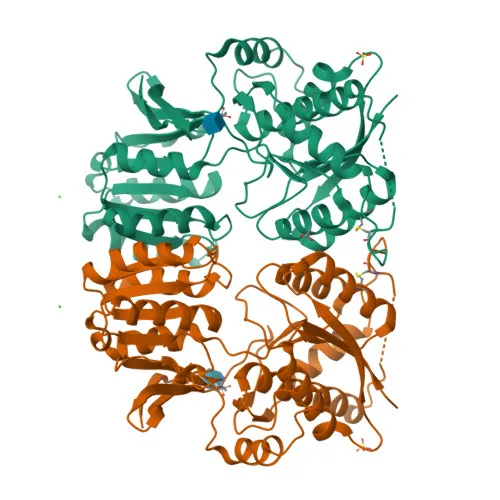
Monoclonal Antibodies
Anti-GluR2/GRIA2 Rabbit Monoclonal Antibody for WB, IHC-P, ELISA - P42262
Item Number : CM0006167
Price varies based on specs and customizations
- Application
- WB, IHC-P, ELISA
- Cross Reactivity
- Human, Mouse, Rat
- Protein Weight
- 99kDa

Shipping:
Contact us to get shipping details Enjoy On-time Dispatch Guarantee.
Why Choose Us
Easy ordering process, quality products, and dedicated support for your business success.
Core Product Specifications and Parameters
| Parameter | Value |
|---|---|
| Product Name | GluR2/GRIA2 Rabbit mAb |
| Remarks/Alias | GLUR2; GLURB; GluA2; HBGR2; NEDLIB; gluR-2; gluR-B; GluR-K2; GluR2/GRIA2 |
| Species | Human |
| GeneID | 2891 |
| Immunogen | Recombinant fusion protein containing a sequence corresponding to amino acids 330-470 of human GluR2/GRIA2 (NP_001077088.2) |
| Source | Rabbit |
| Category | Monoclonal Antibodies |
| Application | WB, IHC-P, ELISA |
| Cross Reactivity | Human, Mouse, Rat |
| SWISS | P42262 |
| Protein Weight | 99kDa |
| Shipping | Ice bag |
Biological Background: GluR2/GRIA2 Function and Localization
- Protein Identity: GluR2/GRIA2 is the Glutamate receptor 2, also known as AMPA-selective glutamate receptor 2, GluR-B, or GluR-K2 (Gene: GRIA2). It is a key subunit of AMPA-type ionotropic glutamate receptors, assembling with GluA1, GluA3, or GluA4 to form heteromeric channels.
- Core Channel Function: GluR2 forms ligand-gated cation channels gated by L-glutamate and synthetic agonists like AMPA, quisqualate, and kainate, mediating fast excitatory neurotransmission in the brain (PubMed:8003671, PubMed:20614889). Channel opening permits Na⁺ and Ca²⁺ influx, driving postsynaptic depolarization (PubMed:8003671, PubMed:20614889).
Related references:
PMID:8003671
PMID:20614889 - Desensitization and Resensitization: After activation, AMPA receptors undergo rapid desensitization. GluR2, when associated with auxiliary subunits CACNG4, CACNG7, or CACNG8, can exhibit resensitization — a slow accumulation of current during sustained agonist application.
- Subcellular Localization: GluR2 is predominantly expressed at the postsynaptic membrane and within the postsynaptic density of excitatory synapses, where it clusters to receive presynaptic glutamate release.
- Post-translational Modifications: The receptor is subject to dynamic regulation via RNA editing (Q/R site editing lowers Ca²⁺ permeability), alternative splicing (flip and flop variants), palmitoylation, phosphorylation, and N-glycosylation, all influencing trafficking, channel kinetics, and synaptic plasticity.
- Disease Relevance: Mutations in GRIA2 are linked to neurodevelopmental and neurological disorders including intellectual disability, autism spectrum disorder, and epilepsy, underscoring the protein's essential role in normal synaptic function.
- Trafficking and Sorting: Through interactions with NSG1, GRIP1, and STX12, GluR2 governs the intracellular sorting and recycling of AMPA receptors, directing them back to the plasma membrane after endocytosis.
Experimental Guidance and Technical Tips
- For Western blot, the antibody is expected to detect a band near 99 kDa under reducing conditions. Use brain tissue lysates from human, mouse, or rat as positive controls; validate with a known AMPAR subunit antibody.
- In IHC-P, paraffin-embedded brain sections may require heat-induced antigen retrieval (e.g., citrate buffer, pH 6.0) for optimal signal. Test various fixation and retrieval conditions to maximize specific staining.
- For ELISA, this monoclonal antibody can serve as a detection reagent. When developing sandwich immunoassays, pair with a capture antibody targeting a non-overlapping epitope.
- The immunogen (aa 330-470) corresponds to a portion of the extracellular ligand-binding domain; therefore, the antibody may recognize the native receptor under non-denaturing conditions. Consider its utility in live-cell labeling or receptor binding assays, but verify performance in the relevant experimental system.
CamelBio: Your One-Stop Sourcing Bridge
CamelBio provides this anti-GluR2/GRIA2 rabbit monoclonal antibody as part of a broad portfolio of IVD raw materials for neuroscience and synaptic research. We support diagnostic manufacturers and research laboratories with validated antibody pairs, optimized monoclonal and polyclonal antibodies, bulk ancillary reagents, and sourcing for rare targets. Partner with CamelBio to streamline your assay development and raw material procurement from discovery to commercial scale.
Product Datasheet
Anti-GluR2/GRIA2 Rabbit Monoclonal Antibody for WB, IHC-P, ELISA - P42262
REQUEST A QUOTE
Our professional team will reply to you within one business day. Please feel free to contact us!