Polyclonal Antibodies
Anti-glucose-6-phosphate isomerase Rabbit Polyclonal Antibody for WB, IHC-P, ELISA - P06744
Item Number : CM0028937
Price varies based on specs and customizations
- Application
- WB, IHC-P, ELISA
- Cross Reactivity
- Human, Mouse, Rat
- Protein Weight
- 63kDa

Shipping:
Contact us to get shipping details Enjoy On-time Dispatch Guarantee.
Why Choose Us
Easy ordering process, quality products, and dedicated support for your business success.
Core Product Specifications and Parameters
| Parameter | Value |
|---|---|
| Product Name | glucose-6-phosphate isomerase Rabbit pAb |
| Remarks/Alias | AMF; NLK; PGI; PHI; GNPI; SA36; SA-36; glucose-6-phosphate isomerase |
| Species | Human |
| Gene ID (Human) | 2821 |
| Immunogen | Recombinant fusion protein containing a sequence corresponding to amino acids 1-280 of human glucose-6-phosphate isomerase (NP_000166.2). |
| Source | Rabbit |
| Category | Polyclonal Antibodies |
| Application | WB, IHC-P, ELISA |
| Cross Reactivity | Human, Mouse, Rat |
| SWISS | P06744 |
| Protein Weight | 63kDa |
| Shipping | Ice bag |
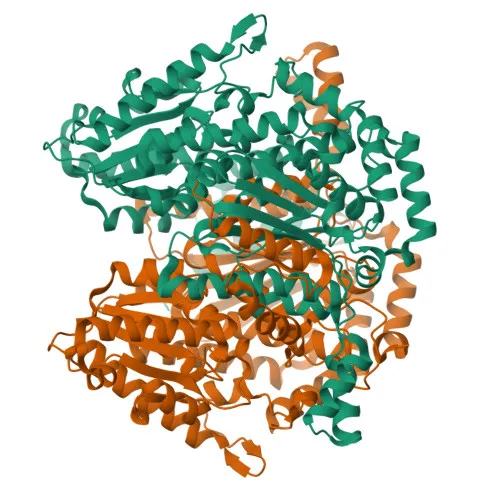
Biological Background: glucose-6-phosphate isomerase Function and Localization
- Encoded by the GPI gene, glucose-6-phosphate isomerase (GPI) is also referred to as autocrine motility factor (AMF), neuroleukin (NLK), phosphoglucose isomerase (PGI), and phosphohexose isomerase (PHI).
- In the cytoplasm, GPI catalyzes the reversible isomerization of glucose-6-phosphate to fructose-6-phosphate, a crucial step in glycolysis and gluconeogenesis. Related references: PMID:28803808
- Exhibits additional C2-epimerase activity, interconverting D-glucose-6-phosphate and D-mannose-6-phosphate, and anomerase activity interconverting anomeric forms of hexose-6-phosphates (By similarity).
- Extracellularly, GPI functions as a cytokine: as autocrine motility factor (AMF), it stimulates endothelial cell migration and angiogenesis; as neuroleukin, it supports the survival of spinal and sensory neurons. Related references: PMID:11437381, PMID:11004567, PMID:3352745
- Secreted by activated T-cells upon lectin stimulation, this enzyme induces immunoglobulin production and acts as a neurotrophic and immunoregulatory molecule. Related references: PMID:11004567, PMID:3352745
- Subcellular localization includes the cytoplasm and extracellular secretion (UniProt annotation).
- Post‑translational modifications such as acetylation, hydroxylation, phosphorylation, and ubiquitination are documented, and mutations are associated with hereditary hemolytic anemia.
Experimental Guidance and Technical Tips
- For western blotting, a specific band around the predicted molecular weight of 63 kDa should be observed; validation using positive and negative control lysates is recommended. Note that post‑translational modifications may cause slight shifts.
- In immunohistochemistry (paraffin‑embedded sections), consider antigen retrieval protocols and validate staining patterns with known tissue expression profiles. Use isotype controls to confirm specificity.
- For ELISA applications, optimize antibody concentrations and pair with appropriate detection reagents; the antibody’s reactivity with human, mouse, and rat GPI may facilitate cross‑species assay development.
CamelBio: Your One-Stop Sourcing Bridge
CamelBio provides diagnostic manufacturers and research laboratories with one‑stop access to high‑quality IVD raw materials. This anti‑GPI rabbit polyclonal antibody exemplifies our commitment to supplying validated immunological reagents for metabolic and cancer biomarker research. Beyond individual antibodies, we offer complementary antibody pairs, bulk ancillary reagents, and tailored sourcing for rare targets to accelerate your assay development from concept to clinic.
REQUEST A QUOTE
Our professional team will reply to you within one business day. Please feel free to contact us!