Monoclonal Antibodies
Anti-Glucagon Monoclonal Antibody for IF-P, IHC-P, ELISA - P01275
Item Number : CM0007091
Price varies based on specs and customizations
- Application
- IF-P, IHC-P, ELISA
- Cross Reactivity
- Human, Mouse, Rat
- Protein Weight
- 21kDa

Shipping:
Contact us to get shipping details Enjoy On-time Dispatch Guarantee.
Why Choose Us
Easy ordering process, quality products, and dedicated support for your business success.
Core Product Specifications and Parameters
| Parameter | Value |
|---|---|
| Product Name | Glucagon Rabbit mAb |
| Remarks/Alias | GLP1; GLP2; GRPP; GLP-1; Glucagon |
| Species | Human |
| GeneID (Human) | 2641 |
| GeneID | 2641 |
| Immunogen | Synthetic Peptide|A synthetic peptide corresponding to a sequence within amino acids 1-100 of human Glucagon (NP_002045.1). |
| Source | Rabbit |
| Category | Monoclonal Antibodies |
| Application | IF-P, IHC-P, ELISA |
| Cross Reactivity | Human, Mouse, Rat |
| SWISS | P01275 |
| Protein Weight | 21kDa |
| Shipping | Ice bag |
Biological Background: Glucagon Function and Localization
-
Glucagon is a key hormone in glucose homeostasis: it raises blood glucose by promoting gluconeogenesis and inhibiting glycolysis, counteracting insulin action, and is critical in diabetic hyperglycemia. Related references: PMID:32193322
-
Pro-glucagon gives rise to several bioactive peptides: glucagon, GLP-1, GLP-2, and GRPP, each with distinct metabolic functions.
-
GLP-1 stimulates glucose-dependent insulin secretion, inhibits glucagon release, delays gastric emptying, and reduces appetite, playing a role in satiety and peripheral glucose disposal. Related references: PMID:22037645 PMID:40446798 PMID:10605628 PMID:14719035 PMID:12554744
-
GLP-2 promotes intestinal growth, increases villus height, enhances nutrient absorption, and reduces enterocyte apoptosis, primarily acting on the gastrointestinal tract.
-
Glucagon is secreted from pancreatic α-cells, while GLP-1 and GLP-2 are released from enteroendocrine L cells in the gut and selected neurons in the brain.
-
Tissue-specific processing of pro-glucagon by prohormone convertases determines the relative abundance of glucagon in pancreas versus GLP-1/GLP-2 in intestine.
-
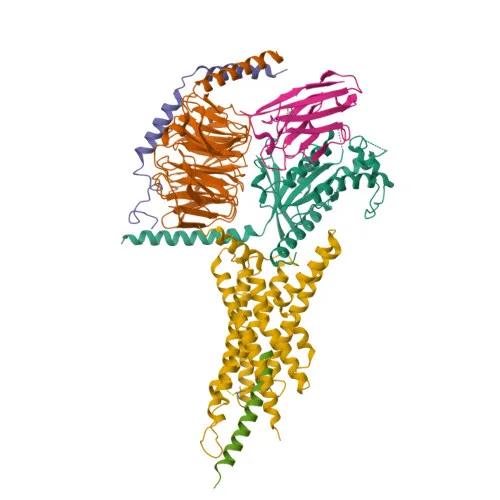
Glucagon signals through the GCGR, a Gs protein-coupled receptor that activates adenylate cyclase and increases cAMP, mediating metabolic effects. Related references: PMID:32193322
Experimental Guidance and Technical Tips
- The immunogen corresponds to the N-terminal region of human pro-glucagon (residues 1–100), which is conserved across human, mouse, and rat, supporting the observed cross-reactivity.
- For IHC-P, consider antigen retrieval protocols optimized for peptide hormones; validate staining specificity using glucagon-positive pancreatic islets or intestinal L cells.
- In ELISA, the antibody can be used for capture or detection; evaluate performance with recombinant glucagon or pro-glucagon fragments, and verify against known standards.
- Given the precursor-product relationship, the antibody may detect both full-length pro-glucagon and mature glucagon; confirm specificity with appropriate controls (e.g., tissues with differential processing).
CamelBio: Your One-Stop Sourcing Bridge
CamelBio supports IVD manufacturers and researchers with a comprehensive portfolio of raw materials for metabolic and endocrine studies. In addition to this anti-glucagon monoclonal antibody, we offer validated antibody pairs, optimized monoclonals, bulk ancillary reagents, and access to rare targets like GLP-1 and GLP-2. Let us streamline your supply chain from discovery to commercial IVD development.
REQUEST A QUOTE
Our professional team will reply to you within one business day. Please feel free to contact us!