Polyclonal Antibodies
Anti-GLOD4 Polyclonal Antibody for WB, ELISA - Q9HC38
Item Number : CM0027538
Price varies based on specs and customizations
- Application
- WB, ELISA
- Cross Reactivity
- Human, Mouse
- Protein Weight
- 35kDa

Shipping:
Contact us to get shipping details Enjoy On-time Dispatch Guarantee.
Why Choose Us
Easy ordering process, quality products, and dedicated support for your business success.
Core Product Specifications and Parameters
| Parameter | Value |
|---|---|
| Product Name | GLOD4 Rabbit pAb |
| Remarks/Alias | HC6; HC71; CGI-150; C17orf25; GLOD4 |
| Species | Human |
| GeneID (Human) | 51031 |
| GeneID | 51031 |
| Immunogen | Recombinant fusion protein containing a sequence corresponding to amino acids 179-298 of human GLOD4 (NP_057164.3) |
| Source | Rabbit |
| Category | Polyclonal Antibodies |
| Application | WB, ELISA |
| Cross Reactivity | Human, Mouse |
| SWISS | Q9HC38 |
| Protein Weight | 35kDa |
| Shipping | Ice bag |
Biological Background: GLOD4 Function and Localization
- GLOD4 (Glyoxalase domain-containing protein 4), also known as HC6, HC71, CGI-150, and C17orf25, is a mitochondrial protein encoded by the GLOD4 gene on chromosome 17.
- It harbors a glyoxalase domain, which in other family members is responsible for the detoxification of methylglyoxal, a cytotoxic side product of glycolysis; however, the precise enzymatic activity of GLOD4 remains to be fully elucidated.
- Subcellular localization studies confirm that GLOD4 resides in mitochondria, consistent with its involvement in metabolic processes.
- Tissue expression profiling indicates that GLOD4 is expressed in heart, brain, liver, kidney, pancreas, and placenta, but is absent from skeletal muscle and lung.
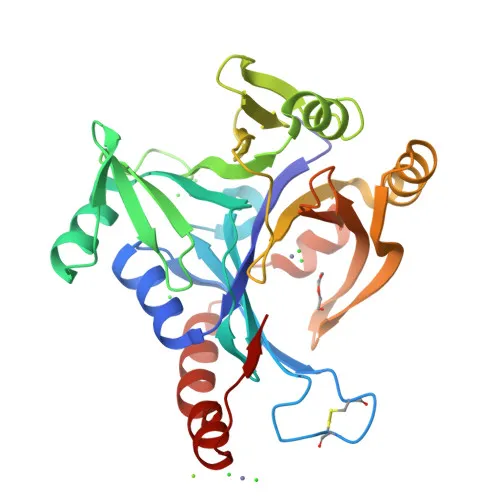
- The protein undergoes alternative splicing and phosphorylation, and its three-dimensional structure has been solved, revealing a repeated domain organization.
- With a molecular weight of approximately 35 kDa, GLOD4 serves as a useful marker for mitochondrial research and glyoxalase-related pathways.
Experimental Guidance and Technical Tips
- For Western blot applications, we suggest titrating the antibody to determine the optimal working dilution for your specific samples; a standard range is between 1:500 and 1:2000.
- The immunogen corresponds to amino acids 179–298, located in the C-terminal region; this may allow detection of both full-length GLOD4 and any C-terminal-containing isoforms.
- Cross-reactivity with mouse has been observed, enabling this antibody to be used in mouse tissue and cell line studies; however, we recommend verifying performance in your model system.
- In ELISA, the antibody can be employed either as a capture or detection reagent; pairing with a monoclonal antibody against a different epitope may enhance assay specificity and sensitivity.
- Given the mitochondrial localization of GLOD4, ensure that your lysis and sample preparation methods adequately release mitochondrial proteins to maximize detection.
CamelBio: Your One-Stop Sourcing Bridge
CamelBio is a premier one-stop supplier of IVD raw materials, providing diagnostic manufacturers and research institutes with an extensive selection of antibodies, antigens, and ancillary reagents to support every stage from concept to clinic. Our portfolio includes high-quality rabbit polyclonal antibodies like this GLOD4 antibody, along with matched monoclonal pairs and custom sourcing for unique targets, ensuring you find the right tools for your mitochondrial and metabolic disease assays. With a commitment to rapid and reliable supply, CamelBio empowers your diagnostic development with the raw materials and technical support you need to succeed.
REQUEST A QUOTE
Our professional team will reply to you within one business day. Please feel free to contact us!