Monoclonal Antibodies
Anti-GLO1 Monoclonal Antibody for WB, ELISA - Q04760
Item Number : CM0010507
Price varies based on specs and customizations
- Application
- WB, ELISA
- Cross Reactivity
- Human, Mouse, Rat
- Protein Weight
- 21kDa

Shipping:
Contact us to get shipping details Enjoy On-time Dispatch Guarantee.
Why Choose Us
Easy ordering process, quality products, and dedicated support for your business success.
Core Product Specifications and Parameters
| Parameter | Value |
|---|---|
| Product Name | GLO1 Rabbit mAb |
| Remarks/Alias | GLYI; GLOD1; HEL-S-74; GLO1 |
| Species | Human |
| Gene ID (Human) | 2739 |
| Gene ID | 2739 |
| Immunogen | Synthetic Peptide|A synthetic peptide corresponding to a sequence within amino acids 1-100 of human GLO1 (Q04760). |
| Source | Rabbit |
| Category | Monoclonal Antibodies |
| Application | WB, ELISA |
| Cross Reactivity | Human, Mouse, Rat |
| SWISS | Q04760 |
| Protein Weight | 21kDa |
| Shipping | Ice bag |
Biological Background: GLO1 Function and Localization
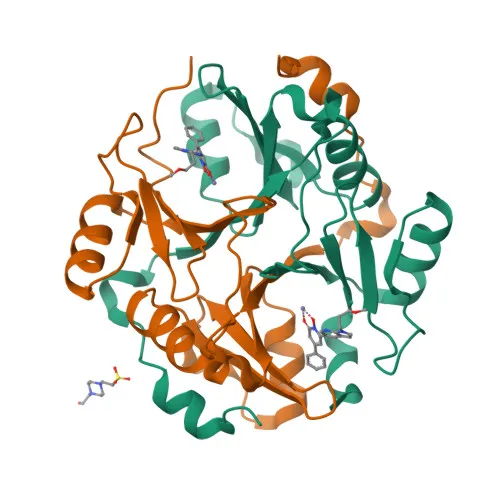
- GLO1 (Lactoylglutathione lyase), also known as glyoxalase I (Glx I), aldoketomutase, ketone-aldehyde mutase, methylglyoxalase, and S-D-lactoylglutathione methylglyoxal lyase, is a zinc-binding enzyme involved in methylglyoxal detoxification.
- Catalyzes the conversion of hemimercaptal, formed from methylglyoxal and glutathione, to S-lactoylglutathione, a critical step in the glyoxalase pathway.
Related references: PMID:20454679, PMID:23122816, PMID:9705294 - Plays a regulatory role in TNF-induced transcriptional activity of NF-kappa-B, linking detoxification to inflammatory signaling.
Related references: PMID:19199007 - Required for normal osteoclastogenesis, indicating a role in bone remodeling (by similarity).
- Post-translational modifications include acetylation, phosphorylation, and glutathionylation, which may regulate enzyme activity and stability.
- Structural features include disulfide bond formation and metal-binding, essential for catalytic function.
- Alternative splicing produces multiple isoforms, potentially contributing to functional diversity.
Experimental Guidance and Technical Tips
- The immunogen was designed against the N-terminal region (amino acids 1-100) of human GLO1, suggesting that the antibody likely recognizes the N-terminal domain. This should be considered when designing epitope-tagging or truncation experiments.
- For Western blot (WB), a band around 21 kDa is expected based on the calculated molecular weight. Use appropriate molecular weight markers and consider possible post-translational modification-induced shifts.
- The antibody is reported to cross-react with mouse and rat GLO1, enabling its use in rodent model studies. Validate the reactivity in the target species before large-scale experiments.
- In ELISA applications, optimize coating antigen and antibody dilution to achieve optimal signal-to-noise ratio. Include relevant controls to confirm specificity.
CamelBio: Your One-Stop Sourcing Bridge
CamelBio provides diagnostic manufacturers, laboratories, and research institutes with one-stop access to high-quality IVD raw materials, including validated monoclonal antibodies like Anti-GLO1 (Q04760). Our portfolio covers a wide range of targets relevant to metabolic detoxification and inflammation pathways, supported by bulk ancillary reagents and customized sourcing services. From concept to clinic, we bridge your research and development gaps with reliable supply and technical expertise.
REQUEST A QUOTE
Our professional team will reply to you within one business day. Please feel free to contact us!