Polyclonal Antibodies
Anti-GLI1 Rabbit Polyclonal Antibody for WB and ELISA - P08151
Item Number : CM0031055
Price varies based on specs and customizations
- Application
- WB, ELISA
- Cross Reactivity
- Human, Mouse, Rat
- Protein Weight
- 118kDa

Shipping:
Contact us to get shipping details Enjoy On-time Dispatch Guarantee.
Why Choose Us
Easy ordering process, quality products, and dedicated support for your business success.
Core Product Specifications and Parameters
| Parameter | Value |
|---|---|
| Product Name | GLI1 Rabbit pAb |
| Remarks/Alias | GLI; PPD1; PAPA8; GLI1 |
| Species | Human |
| Gene ID | 2735 |
| Immunogen | Recombinant protein of human GLI1 |
| Source | Rabbit |
| Category | Polyclonal Antibodies |
| Application | WB, ELISA |
| Cross Reactivity | Human, Mouse, Rat |
| SWISS | P08151 |
| Protein Weight | 118kDa |
| Shipping | Ice bag |
Biological Background: GLI1 Function and Localization
-
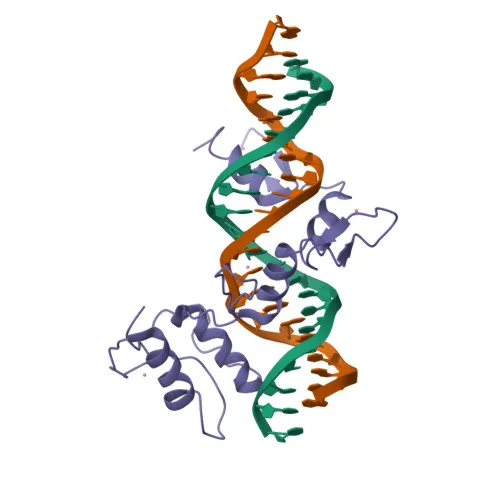
GLI1 functions as a transcription activator and is a key effector of the Hedgehog (Hh) signaling pathway, playing essential roles in craniofacial development, digit formation, and central nervous system and gastrointestinal tract development. Related references: PMID:10806483 PMID:11238441 PMID:19706761
-
It binds to the DNA consensus sequence 5'-GACCACCCA-3' in the promoters of target genes to modulate their expression. Related references: PMID:2105456 PMID:24217340 PMID:2832761
-
Unlike the related transcription factors GLI2 and GLI3, GLI1 lacks a repressor domain and exclusively acts as a transcriptional activator. Related references: PMID:10075717
-
Alternative splicing generates an isoform (isoform 2) that activates a distinct set of genes, including CD24, and is differentially expressed across tissues. Related references: PMID:19706761
-
The protein localizes to the cytoplasm and nucleus, and is also found in the primary cilium, a signaling hub for the Hh pathway.
-
Tissue expression is detected in testis, myometrium, fallopian tube, and specific brain regions such as the cerebellum, optic nerve, and olfactory tract; isoform 1 is broadly expressed while isoform 2 is more restricted.
-
GLI1 is typically undetectable in normal adult cells but is highly upregulated in various cancers, where it functions as a proto-oncogene.
-
The protein contains zinc-finger domains and is subject to post-translational modifications including phosphorylation, acetylation, and ubiquitination.
Experimental Guidance and Technical Tips
- For Western blotting, the predicted molecular weight is approximately 118 kDa; use a suitable gel concentration and transfer conditions for high-molecular-weight proteins.
- Confirm antibody specificity in your experimental setup using positive (e.g., GLI1-overexpressing cells) and negative (e.g., GLI1-knockdown) controls.
- Given its cross-reactivity with mouse and rat, this antibody may be applied in rodent model studies.
- In ELISA, optimize the coating antigen concentration and antibody dilution to achieve the best signal-to-noise ratio.
- Note that GLI1 expression is often low in normal tissues; consider using cancer cell lines or tissues with active Hedgehog signaling for robust detection.
CamelBio: Your One-Stop Sourcing Bridge
CamelBio serves as a comprehensive sourcing partner for diagnostic manufacturers and research institutions, offering one-stop access to validated IVD raw materials, bulk ancillary reagents, and custom antibody development. This anti-GLI1 polyclonal antibody supports research in developmental biology, oncology, and Hedgehog pathway signaling. Contact us to explore supply solutions tailored to your diagnostic assay development and reagent scaling needs.
REQUEST A QUOTE
Our professional team will reply to you within one business day. Please feel free to contact us!