Polyclonal Antibodies
Anti-GIPR Polyclonal Antibody for WB, IHC-P, ELISA - P48546
Item Number : CM0027349
Price varies based on specs and customizations
- Application
- WB, IHC-P, ELISA
- Cross Reactivity
- Human, Mouse, Rat
- Protein Weight
- 53kDa

Shipping:
Contact us to get shipping details Enjoy On-time Dispatch Guarantee.
Why Choose Us
Easy ordering process, quality products, and dedicated support for your business success.
Core Product Specifications and Parameters
| Parameter | Value |
|---|---|
| Product Name | GIPR Rabbit pAb |
| Remarks/Alias | PGQTL2; GIPR |
| Species | Human |
| GeneID (human) | 2696 |
| GeneID | 2696 |
| Immunogen | Recombinant protein / Recombinant fusion protein containing a sequence corresponding to amino acids 22-138 of human GIPR (NP_000155.1). |
| Source | Rabbit |
| Category | Polyclonal Antibodies |
| Application | WB, IHC-P, ELISA |
| Cross Reactivity | Human, Mouse, Rat |
| SWISS | P48546 |
| Protein Weight | 53kDa |
| Shipping | Ice bag |
Biological Background: GIPR Function and Localization
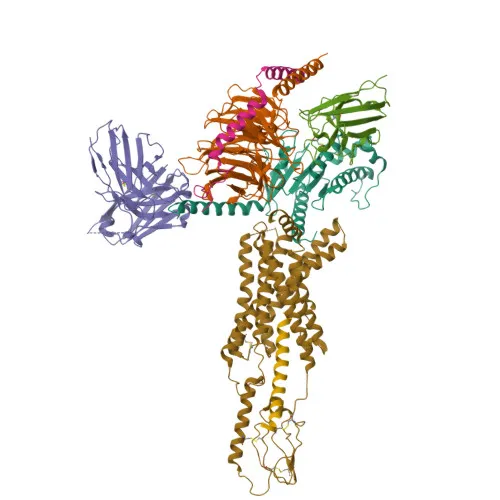
- GIPR (Gastric inhibitory polypeptide receptor, also known as glucose-dependent insulinotropic polypeptide receptor) is a receptor for the incretin hormone GIP, playing a key role in insulin secretion.
- The receptor belongs to the G protein-coupled receptor (GPCR) family and mediates its effects via G proteins that activate adenylyl cyclase, leading to increased cAMP levels.
- Encoded by the GIPR gene (GeneID: 2696) in humans, the protein is subject to alternative splicing, potentially yielding multiple isoforms.
- GIPR is located on the cell membrane, with a typical seven-transmembrane domain structure characteristic of GPCRs.
- Post-translational modifications include disulfide bonds and glycosylation, which are essential for proper folding and function.
- Keywords from UniProt highlight its role as a receptor, transducer, and membrane protein, with a signal peptide for membrane targeting.
Experimental Guidance and Technical Tips
- The immunogen corresponds to amino acids 22-138 of human GIPR, which lies within the N-terminal extracellular domain. This region is likely exposed and may be suitable for detecting the receptor in native conformation.
- For western blot (WB), consider a standard protocol; the predicted band is approximately 53 kDa, but additional bands may appear due to glycosylation or alternative splicing.
- In immunohistochemistry (IHC-P), membrane staining is expected; include appropriate controls and validate in tissues known to express GIPR, such as pancreas and adipose tissue.
- For ELISA, this antibody may serve as a capture or detection reagent; pairing with a compatible antibody is advisable. Validate sensitivity and specificity in the relevant sample matrix.
- Cross-reactivity with mouse and rat GIPR is reported; however, sequence homology should be verified to ensure conserved epitope recognition.
CamelBio: Your One-Stop Sourcing Bridge
CamelBio is a trusted one-stop partner for IVD raw materials, empowering diagnostic manufacturers and research institutions with seamless access to high-quality reagents. This GIPR polyclonal antibody supports research in metabolic disorders, diabetes, and obesity, and can be complemented by our extensive catalog of validated antibody pairs, optimized monoclonal/polyclonal antibodies, and bulk ancillary reagents. For rare or emerging targets, our sourcing and technical services streamline your path from concept to clinic.
REQUEST A QUOTE
Our professional team will reply to you within one business day. Please feel free to contact us!