Polyclonal Antibodies
Anti-GINS4 (SLD5) Rabbit Polyclonal Antibody for WB, ELISA - Q9BRT9
Item Number : CM0030356
Price varies based on specs and customizations
- Application
- WB, ELISA
- Cross Reactivity
- Human, Mouse, Rat
- Protein Weight
- 98kDa

Shipping:
Contact us to get shipping details Enjoy On-time Dispatch Guarantee.
Why Choose Us
Easy ordering process, quality products, and dedicated support for your business success.
Core Product Specifications and Parameters
| Parameter | Value |
|---|---|
| Product Name | GINS4 Rabbit pAb |
| Remarks/Alias | SLD5, GINS4 |
| Species | Human |
| Gene ID | 84296 |
| Immunogen | Recombinant protein |
| Source | Rabbit |
| Category | Polyclonal Antibodies |
| Application | WB, ELISA |
| Cross Reactivity | Human, Mouse, Rat |
| SWISS | Q9BRT9 |
| Protein Weight | 98kDa |
| Shipping | Ice bag |
Biological Background: GINS4/SLD5 Function and Localization
- GINS4 (also known as SLD5) is the DNA replication complex GINS protein SLD5, a subunit of the GINS complex essential for DNA replication.
- GINS4/SLD5 is required for correct functioning of the GINS complex, which plays an essential role in the initiation of DNA replication and progression of DNA replication forks. Related references: PMID:17417653 PMID:28414293
- The GINS complex is a core component of the CDC45-MCM-GINS (CMG) helicase, the molecular machine that unwinds template DNA during replication and around which the replisome is built. Related references: PMID:32453425 PMID:34694004 PMID:34700328
- Subcellular localization includes the nucleus, chromosome, and cytoplasm, consistent with its role in DNA replication.
- Post-translational modifications such as acetylation and phosphorylation, along with alternative splicing, may contribute to regulation of GINS4 activity.
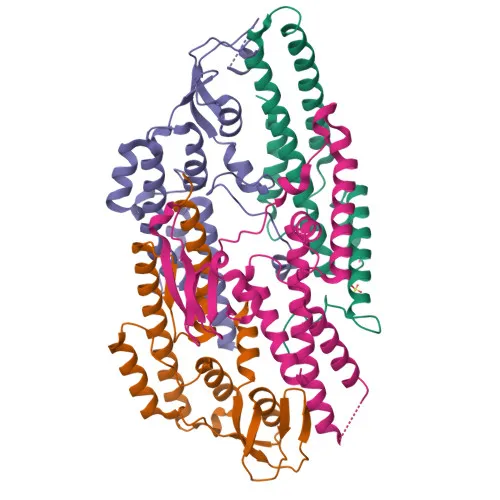
- High-resolution 3D structures and proteomics identification data are available, underscoring its characterization as a reference proteome member.
Experimental Guidance and Technical Tips
- The immunogen corresponds to residues 108–207 of human GINS4; consider mapping this region’s surface accessibility when designing ELISA or other binding assays.
- WB signals may differ from the predicted ~26 kDa due to post-translational modifications or isoform variations; validate band patterns using appropriate positive and negative controls.
- For WB, recommended starting conditions include testing a range of primary antibody dilutions (e.g., 1:500–1:2000) on whole-cell lysates from human, mouse, or rat cell lines known to express GINS4.
- In ELISA, the antibody may recognize denatured or native antigen depending on your coating strategy; pre-titration on recombinant GINS4 is advisable.
- As with any polyclonal antibody, lot-to-lot consistency can vary; include a reference standard and monitor batch performance with each experiment.
CamelBio: Your One-Stop Sourcing Bridge
CamelBio supports diagnostic manufacturers, research labs, and institutes with one-stop access to validated IVD raw materials, including anti-GINS4 polyclonal antibodies and other DNA replication–related reagents. Beyond this product, we supply optimized antibody pairs, bulk ancillary reagents, and flexible sourcing solutions for rare targets like SLD5, ensuring seamless integration from discovery to diagnostic development. Reach out to build a reliable, end-to-end supply chain tailored to your replication and cell-cycle research needs.
REQUEST A QUOTE
Our professional team will reply to you within one business day. Please feel free to contact us!