Polyclonal Antibodies
Anti-GID1A Rabbit Polyclonal Antibody for WB - Q9MAA7
Item Number : CM0024230
Price varies based on specs and customizations
- Application
- WB, ELISA
- Cross Reactivity
- Arabidopsis thaliana
- Protein Weight
- 39kDa

Shipping:
Contact us to get shipping details Enjoy On-time Dispatch Guarantee.
Why Choose Us
Easy ordering process, quality products, and dedicated support for your business success.
Core Product Specifications and Parameters
| Parameter | Value |
|---|---|
| Product Name | GID1A Rabbit pAb |
| Remarks/Alias | ATGID1A, GA INSENSITIVE DWARF1A, T12H1.8, T12H1_8, GID1A |
| Species | Arabidopsis thaliana |
| GeneID | 819674 |
| Immunogen | Synthetic peptide corresponding to a sequence within amino acids 50-150 of Arabidopsis thaliana GID1A (NP_187163.1) |
| Source | Rabbit |
| Category | Polyclonal Antibodies |
| Application | WB, ELISA |
| Cross Reactivity | Arabidopsis thaliana |
| SWISS | Q9MAA7 |
| Protein Weight | 39kDa |
| Shipping | Ice bag |
Biological Background: GID1A Function and Localization
- Encoded by the GID1A gene (also known as CXE10 or GID1L1), Gibberellin receptor GID1A (AtCXE10) is a carboxylesterase-like protein that functions as a soluble receptor for the plant hormone gibberellin (GA).
- Binds biologically active gibberellin GA4 with high affinity and shows no affinity for inactive GAs, triggering GA-dependent signaling cascades.
- Upon GA binding, GID1A interacts with DELLA repressor proteins, targeting them for ubiquitin-mediated degradation via the proteasome, thereby derepressing GA-responsive genes and promoting growth and development.
- Plays essential roles in GA-regulated processes including root growth, seed germination, stem elongation, and flower development; partially redundant functions are shared with the related receptors GID1B and GID1C.
- Localizes to the nucleus, consistent with its role in modulating transcription factor activity.
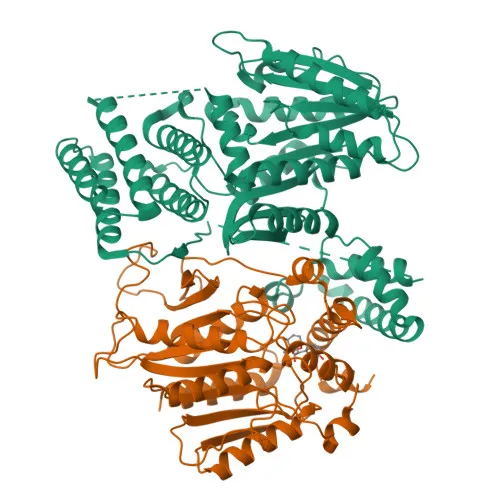
- Post-translationally modified by acetylation, and structurally characterized to reveal the GA-binding pocket and conformational changes upon hormone binding.
- Expressed widely across tissues, reflecting the broad regulatory roles of gibberellins in plant physiology.
Experimental Guidance and Technical Tips
- The immunogen used spans amino acids 50–150 of Arabidopsis thaliana GID1A; this region may be conserved among GID1 isoforms; consider assessing sequence homology to GID1B and GID1C when evaluating potential cross-reactivity.
- For Western blot (WB), a band around 39 kDa is expected in Arabidopsis thaliana whole-cell lysates; validation in the relevant sample system is recommended.
- Optimal working dilutions for WB and ELISA should be determined empirically; using the immunogen peptide as a positive control in ELISA can help verify detection specificity.
CamelBio: Your One-Stop Sourcing Bridge
CamelBio offers a comprehensive sourcing solution for IVD raw materials, providing validated antibody pairs, optimized polyclonal antibodies, bulk ancillary reagents, and technical consulting to support diagnostic manufacturers, labs, and research institutes. In plant hormone signaling research, CamelBio connects you with high-quality reagents like this anti-GID1A polyclonal antibody to accelerate gibberellin pathway studies and assay development.
REQUEST A QUOTE
Our professional team will reply to you within one business day. Please feel free to contact us!